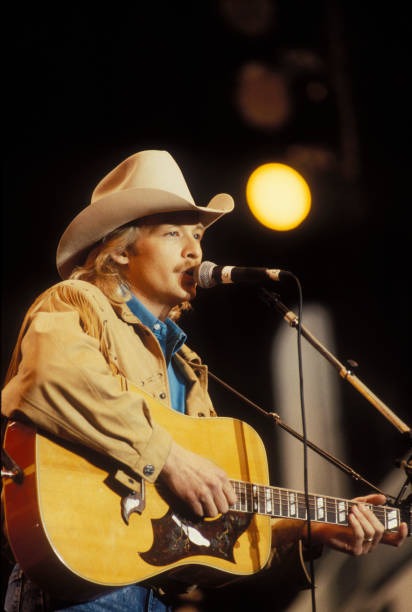
SEO Title
Alan Jackson Discography Explained: A Complete Guide to His Albums and Legacy
Meta Description
Explore Alan Jackson’s discography in detail, from his debut to his latest releases. Learn about his albums, style, and lasting impact on country music.
Slug URL
alan-jackson-discography-explained
Alternative Subheadings
- A Deep Dive Into Alan Jackson’s Studio Albums
- Understanding Alan Jackson’s Musical Evolution
- Alan Jackson’s Albums Ranked and Explained
Alan Jackson Discography Explained: A Complete Guide to His Albums and Legacy
Introduction
Alan Jackson is widely regarded as one of the most authentic voices in modern country music. With a career spanning more than three decades, his discography reflects both consistency and evolution—rooted in traditional country while adapting to changing times. For listeners and newcomers alike, understanding Alan Jackson’s discography offers insight into not just his music, but also the broader landscape of country music from the 1990s onward.
This guide breaks down his albums, highlights key moments in his career, and explains why his work remains influential today.
Who Is Alan Jackson? A Brief Background
Born in 1958 in Newnan, Georgia, Alan Jackson rose to prominence in the late 1980s during a period when country music was shifting toward pop influences. Alongside artists like George Strait and Randy Travis, Jackson helped lead the neotraditional country movement, bringing the genre back to its roots.
He has sold tens of millions of records worldwide and earned numerous awards, including Grammy Awards and multiple CMA honors. He was inducted into the Country Music Hall of Fame in 2017, cementing his legacy as one of country music’s most important figures.
Alan Jackson’s Studio Albums: A Chronological Overview
Early Breakthrough (1990–1994)
Here in the Real World (1990)
Jackson’s debut album set the tone for his career. Featuring hits like “Chasin’ That Neon Rainbow” and the title track, it introduced his straightforward storytelling and traditional sound.
Don’t Rock the Jukebox (1991)
This album solidified his commercial success. Songs like “Someday” and “Love’s Got a Hold on You” helped establish him as a mainstream star.
A Lot About Livin’ (And a Little ’bout Love) (1992)
One of his most successful albums, it includes “Chattahoochee,” a defining country anthem of the 1990s. The album achieved multi-platinum status according to the RIAA.
Who I Am (1994)
Continuing his streak, this album features hits such as “Livin’ on Love” and “Gone Country,” reflecting both tradition and commentary on the genre’s evolution.
Peak Commercial Success (1995–2004)
Everything I Love (1996)
Known for emotional depth, this album includes “Little Bitty” and “There Goes.”
High Mileage (1998)
This release highlights Jackson’s ability to blend humor and sincerity, with tracks like “Right on the Money.”
Under the Influence (1999)
A tribute album showcasing classic country covers, emphasizing his respect for traditional influences.
When Somebody Loves You (2000)
Featuring the hit “It Must Be Love,” this album balances romantic ballads with upbeat tracks.
Drive (2002)
One of his most critically acclaimed works, Drive includes “Where Were You (When the World Stopped Turning),” a reflective song written after the events of 9/11. It earned widespread recognition, including Grammy Awards.
What I Do (2004)
This album continues his consistent output, featuring hits like “Remember When,” one of his most beloved songs.
Later Career and Artistic Reflection (2006–Present)
Like Red on a Rose (2006)
Produced by Alison Krauss, this album takes a softer, more introspective approach. It showcases Jackson’s versatility and willingness to experiment.
Good Time (2008)
A return to a more upbeat, traditional sound, including “Country Boy” and “Good Time.”
Freight Train (2010)
This album blends classic country with contemporary production, maintaining his signature style.
Thirty Miles West (2012)
Features “So You Don’t Have to Love Me Anymore,” a critically praised track highlighting his storytelling strength.
Angels and Alcohol (2015)
A reflective album that combines humor and nostalgia.
Where Have You Gone (2021)
His latest studio album marks a strong return to traditional country roots. It was widely praised for its authenticity and craftsmanship, reinforcing his commitment to classic country sounds.
Musical Style and Themes
Alan Jackson’s discography is defined by a few key characteristics:
- Traditional country instrumentation (fiddle, steel guitar)
- Clear storytelling rooted in everyday life
- Themes of love, family, faith, and nostalgia
- Minimal reliance on pop production trends
Unlike many contemporaries, Jackson has remained remarkably consistent. His music often appeals to listeners seeking authenticity in a genre that has increasingly blended with pop and rock influences.
Commercial Achievements and Recognition
Alan Jackson’s success is supported by strong industry recognition:
- Over 75 million records sold worldwide
- Numerous multi-platinum albums (RIAA-certified)
- Multiple Grammy Awards
- Induction into the Country Music Hall of Fame (2017)
According to Billboard, Jackson has achieved dozens of chart-topping singles on the Hot Country Songs chart, making him one of the most successful country artists of his generation.
Influence and Legacy
Alan Jackson’s discography has had a lasting impact on country music. He helped preserve traditional sounds during periods of major stylistic change. Many modern country artists cite him as an influence, particularly for his songwriting and commitment to authenticity.
His work also serves as a historical record of country music’s evolution—from the neotraditional revival of the 1990s to today’s more diverse landscape.
Conclusion
Alan Jackson’s discography is more than just a collection of albums—it is a blueprint for longevity and authenticity in country music. From his early hits to his recent releases, he has maintained a clear artistic identity while continuing to resonate with audiences across generations.
For anyone exploring country music, understanding Alan Jackson’s body of work provides valuable insight into both the genre’s past and its enduring core values.
Sources
- Billboard
- Rolling Stone
- RIAA (Recording Industry Association of America)
- Country Music Hall of Fame
- Official Alan Jackson Website