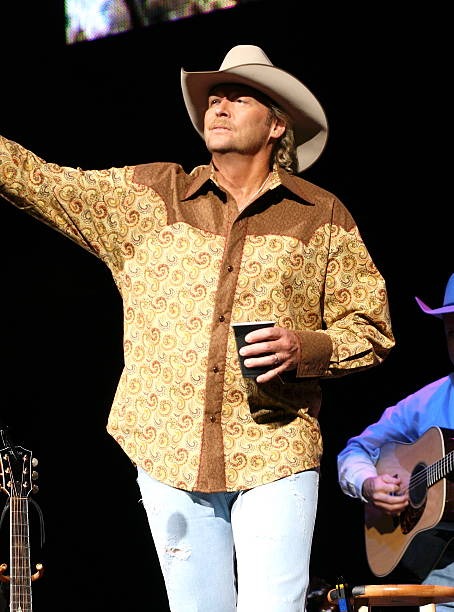
Traditional vs Modern Country: Alan Jackson’s Role in Bridging the Gap
Introduction
Country music has evolved significantly over the decades, moving from its roots in acoustic storytelling to a more polished, genre-blending sound. This shift has sparked ongoing debate among fans and critics about the differences between traditional and modern country. At the center of this conversation stands Alan Jackson—an artist widely recognized for preserving the core values of traditional country while remaining relevant in a changing industry.
Understanding the contrast between traditional and modern country music—and Alan Jackson’s role within that evolution—offers valuable insight into the genre’s past, present, and future.
What Defines Traditional Country Music?
Traditional country music, particularly from the mid-20th century through the 1980s, is characterized by its simplicity and authenticity.
Core Elements
- Story-driven lyrics focused on real-life experiences such as love, hardship, and faith
- Organic instrumentation, including acoustic guitar, fiddle, and steel guitar
- Minimal production techniques, emphasizing clarity over polish
- Emotional sincerity in vocal delivery
Artists like Merle Haggard and George Jones helped define this sound, shaping the genre’s identity.
Institutions such as the Country Music Hall of Fame continue to preserve and document this era, highlighting its cultural importance.
The Rise of Modern Country Music
Modern country music, especially since the 2000s, has incorporated elements from pop, rock, and even hip-hop, broadening its appeal to a wider audience.
Key Characteristics
- Highly produced sound with layered instrumentation and digital effects
- Cross-genre influences, including pop hooks and rock rhythms
- Broader themes, often focusing on lifestyle, entertainment, and contemporary culture
- Commercial orientation, targeting mainstream radio and streaming platforms
According to insights from Billboard, modern country has achieved significant commercial success, often dominating charts and streaming services.
Alan Jackson: A Neo-Traditionalist Pioneer
Brief Biography
Alan Jackson was born in 1958 in Newnan, Georgia. He emerged in the late 1980s as part of the neo-traditionalist movement, which sought to return country music to its roots.
Career Achievements
- Over 75 million records sold worldwide
- Multiple Grammy Awards and CMA Awards
- Inducted into the Country Music Hall of Fame
- Numerous No. 1 hits on country charts
Organizations like the RIAA have recognized his commercial impact, while critics from Rolling Stone have praised his commitment to traditional country values.
Musical Style: Where Tradition Meets Accessibility
Alan Jackson’s music stands out because it blends traditional elements with a level of accessibility that appeals to modern audiences.
Traditional Influences
- Use of classic instruments like fiddle and steel guitar
- Storytelling rooted in everyday experiences
- Respect for country music heritage
Modern Appeal
- Clean, radio-friendly production
- Memorable melodies and hooks
- Themes that resonate across generations
Songs such as “Chattahoochee” highlight his ability to create upbeat, relatable tracks, while “Where Were You (When the World Stopped Turning)” demonstrates emotional depth and cultural relevance.
Bridging Traditional and Modern Country
One of Alan Jackson’s most significant contributions is his ability to bridge the gap between traditional and modern country music.
Preserving Authenticity
Jackson has consistently maintained a commitment to traditional country values, even as industry trends shifted toward pop-influenced sounds.
Adapting Without Compromising
Rather than fully embracing modern production trends, Jackson incorporates subtle updates that keep his music accessible without losing its identity.
Influencing Future Artists
Many contemporary country artists cite traditional influences, often tracing that inspiration back to artists like Jackson who kept the classic sound alive.
Traditional vs Modern Country: Key Differences
Understanding the contrast between traditional and modern country helps clarify why artists like Alan Jackson remain important.
| Aspect | Traditional Country | Modern Country |
|---|---|---|
| Lyrics | Story-driven, emotional | Lifestyle-focused, broader themes |
| Instrumentation | Acoustic, organic | Digital, layered |
| Production | Minimal | Highly polished |
| Influences | Folk, blues, gospel | Pop, rock, hip-hop |
| Audience | Niche, genre-focused | Mainstream, global |
While both styles have their merits, the balance between authenticity and innovation continues to shape the genre.
Why Alan Jackson’s Role Still Matters
Cultural Preservation
By staying true to traditional country, Jackson helps preserve a musical heritage that might otherwise fade in a rapidly evolving industry.
Commercial Viability
His success proves that traditional country can still achieve mainstream recognition.
Enduring Legacy
As country music continues to evolve, Jackson’s work serves as a reference point for both artists and fans seeking authenticity.
Conclusion
The debate between traditional and modern country music reflects broader changes in the music industry. While modern country has expanded the genre’s reach, traditional country remains essential for its authenticity and storytelling.
Alan Jackson stands as a key figure in this conversation, demonstrating that it is possible to honor tradition while staying relevant. His career offers a blueprint for balancing heritage and innovation—ensuring that country music continues to evolve without losing its roots.
SEO Title
Traditional vs Modern Country: Alan Jackson’s Role in Shaping the Genre
Meta Description
Explore the differences between traditional and modern country music and discover how Alan Jackson helped bridge the gap while preserving authentic country roots.
URL Slug
traditional-vs-modern-country-alan-jackson-role
Alternative Subheadings
- How Alan Jackson Preserved Traditional Country in a Modern Era
- Understanding the Evolution of Country Music Through Alan Jackson
- Traditional vs Modern Country Music: Key Differences Explained
Sources
- Billboard
- Rolling Stone
- Country Music Hall of Fame
- RIAA
- Official artist websites (Alan Jackson)