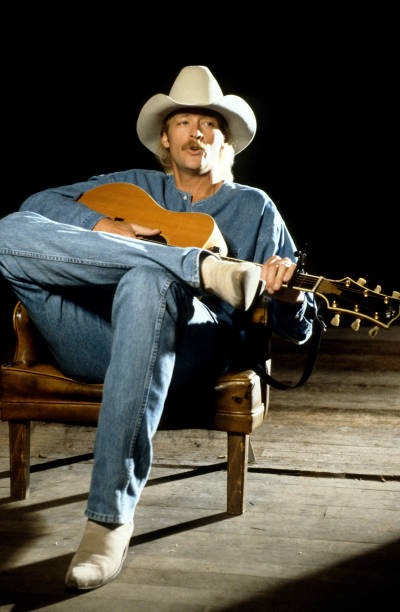
Introduction
For decades, George Strait has walked onto stages with a quiet confidence that feels almost effortless. No dramatic gestures. No elaborate choreography. Just a guitar, a microphone, and a presence so steady it rarely draws attention to itself. And yet, that calmness has become one of the most defining traits of his legendary career.
But behind that composed exterior lies something far more intentional—and far more powerful—than many fans realize.
This article explores the hidden truth behind George Strait’s calm stage presence, revealing how it shaped his career, influenced modern country music, and helped build one of the most enduring legacies in the genre.
The Early Years: A Foundation Built on Simplicity
A Brief Biography
Born in 1952 in Texas, George Strait grew up surrounded by ranch life and traditional country sounds. After serving in the U.S. Army, he began performing with a band called Ace in the Hole, developing a style rooted in authenticity rather than showmanship.
By the early 1980s, Strait signed with MCA Records and released his debut album Strait Country, which helped revive the traditional country sound during a time when pop influences were dominating the genre.
A Different Kind of Performer
While many artists of the era leaned into flashy performances, Strait took a different approach. He focused on delivering songs exactly as they were meant to be heard—clear, honest, and emotionally grounded.
This choice wasn’t accidental. It reflected both his personality and a deeper understanding of what country music represents.
The Calm Stage Presence: What You See vs. What It Means
Not Shyness—But Control
At first glance, George Strait’s stage presence might appear reserved. He doesn’t move much. He rarely speaks between songs. There are no dramatic moments designed to steal the spotlight.
But this calmness is not a limitation—it’s a form of control.
Strait allows the music to take center stage. Every note, lyric, and pause is delivered with precision. Instead of overwhelming the audience with performance, he invites them into the story of each song.
Letting the Songs Speak
Country music has always been about storytelling. By minimizing distractions, Strait ensures that listeners focus on the narrative.
Songs like “Amarillo By Morning” and “Check Yes or No” resonate not because of how they are performed visually, but because of how they feel emotionally.
This approach aligns with insights often highlighted by organizations like the Country Music Hall of Fame, which emphasize authenticity and storytelling as core elements of the genre.
The Strategy Behind Simplicity
Consistency Over Spectacle
In an industry where trends constantly change, George Strait built his career on consistency.
According to chart data recognized by the Billboard, Strait holds the record for the most number-one hits in country music history. This level of sustained success is rarely achieved through gimmicks—it requires trust.
Fans know exactly what they will get from a George Strait performance: honesty, clarity, and respect for the music.
Building Trust with the Audience
That calm stage presence creates a unique connection with audiences.
Instead of performing at the crowd, Strait performs for them. There’s no barrier of theatrics—just a direct line between artist and listener.
Over time, this builds a deep sense of trust. Fans don’t come for surprises; they come for something reliable and real.
Musical Style and Its Role in His Stage Presence
Traditional Country at Its Core
George Strait’s music is deeply rooted in traditional country styles, including Western swing, honky-tonk, and Texas country.
This musical foundation naturally complements his understated stage presence. Flashy performances would feel out of place with songs built on simplicity and emotional clarity.
Voice as the Main Instrument
Unlike performers who rely heavily on visual elements, Strait uses his voice as the primary tool of expression.
His delivery is controlled, smooth, and consistent—qualities that match his physical presence on stage. This alignment between voice and performance style is a key reason his concerts feel cohesive and authentic.
Publications like Rolling Stone have often noted how Strait’s vocal consistency has remained remarkably strong throughout his career, further reinforcing his reputation for reliability.
Career Achievements That Reinforce the Approach
Record-Breaking Success
George Strait’s calm approach did not limit his success—it amplified it.
- Over 60 number-one hits across all charts
- More than 100 million records sold worldwide
- One of the longest-running careers in country music history
The Recording Industry Association of America has certified many of his albums multi-platinum, reflecting both commercial success and lasting popularity.
Awards and Recognition
Strait has received numerous awards, including CMA and ACM honors, and was inducted into the Country Music Hall of Fame in 2006.
These achievements highlight a career built not on spectacle, but on consistency and authenticity.
Influence on Modern Country Artists
Redefining What a Performer Can Be
George Strait proved that you don’t need elaborate stage production to succeed at the highest level.
His influence can be seen in artists who prioritize songwriting and authenticity over performance theatrics.
A Lasting Standard
Even in today’s era of high-production concerts, Strait’s approach remains relevant.
For many artists, he represents a reminder that music—not performance tricks—is what truly connects with audiences.
The Hidden Truth: It Was Always Intentional
The most important thing to understand about George Strait’s calm stage presence is this:
It was never accidental.
It is the result of:
- A deep respect for the genre
- A commitment to authenticity
- A strategic understanding of audience connection
What may appear simple on the surface is actually a refined and deliberate performance philosophy.
Conclusion
George Strait’s calm stage presence is not a lack of energy—it is a mastery of restraint.
In a world where louder often seems better, Strait chose a different path. He trusted the music. He trusted the audience. And most importantly, he trusted himself.
That quiet confidence became his signature—and ultimately, his legacy.
For fans and artists alike, the lesson is clear: sometimes, the most powerful performance is the one that doesn’t try too hard.
SEO Title
George Strait’s Calm Stage Presence Explained: The Hidden Truth Behind His Legendary Style
Meta Description
Discover the hidden truth behind George Strait’s calm stage presence and how it shaped his legendary country music career and lasting influence.
Slug URL
george-strait-calm-stage-presence-hidden-truth
Alternative Headlines
- Why George Strait’s Quiet Stage Presence Made Him a Legend
- The Real Reason George Strait Never Needed Flashy Performances
- How Simplicity Defined George Strait’s Iconic Career
Sources
- Billboard
- Rolling Stone
- Recording Industry Association of America (RIAA)
- Country Music Hall of Fame
- Official George Strait Website