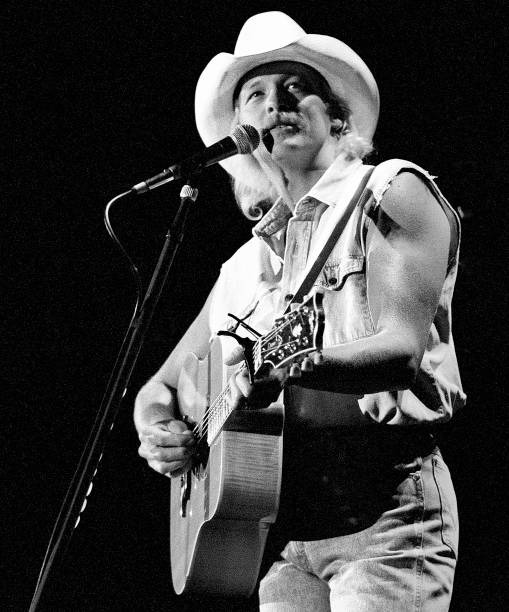
Old Country vs New Country: Alan Jackson’s Era Wins?
Introduction
Picture a quiet Southern evening—an acoustic guitar, a simple melody, and a voice telling a story that feels both personal and universal. That image captures what many listeners associate with classic country music. In recent years, however, the genre has evolved into something broader, often blending pop, rock, and even hip-hop influences. This raises a familiar question among fans: was the era of traditional artists like Alan Jackson truly the golden age of country music?
Rather than framing this as a strict competition, it’s worth examining what defined Jackson’s era, how modern country differs, and why his music still resonates decades later.
A Brief Look at Alan Jackson’s Background
Born in 1958 in Newnan, Georgia, Alan Jackson emerged in the late 1980s as part of a movement often referred to as the “neotraditional country” wave. Alongside artists like George Strait and Randy Travis, he helped bring country music back to its roots after a period of heavy pop crossover.
Jackson’s early career gained momentum quickly. His debut album, Here in the Real World (1990), established his signature style—straightforward storytelling, traditional instrumentation, and an unmistakable Southern authenticity. Over time, he became one of the genre’s most reliable hitmakers.
Career Highlights and Achievements
Alan Jackson’s career is marked by consistent commercial success and critical recognition:
- Over 50 Top 10 hits on the Billboard country charts
- More than 35 No. 1 singles, according to Billboard
- Multiple Grammy Awards and CMA Awards
- Induction into the Country Music Hall of Fame in 2017
- Over 75 million records sold worldwide, as reported by the RIAA
Songs like “Chattahoochee,” “Remember When,” and “Drive (For Daddy Gene)” are often cited as defining examples of his ability to blend personal storytelling with universal themes.
What Defined “Old Country”?
Storytelling at the Core
One of the most distinguishing features of Jackson’s era was its focus on narrative. Songs often told complete stories—about love, family, hardship, or everyday life. This storytelling tradition has deep roots in country music and was central to Jackson’s appeal.
Traditional Sound and Instrumentation
Old country relied heavily on acoustic instruments such as steel guitar, fiddle, and piano. Production was generally more restrained, allowing lyrics and melody to take center stage.
Cultural Identity
Artists like Jackson reflected a strong sense of place—particularly the American South. His music often explored themes of small-town life, nostalgia, and personal values, creating a connection that felt grounded and authentic.
The Rise of New Country
Genre Blending
Modern country has expanded its boundaries significantly. Many contemporary artists incorporate elements from pop, rock, and even electronic music. This has broadened the genre’s audience but also changed its sonic identity.
Production and Commercial Appeal
Today’s country music often features polished production, radio-friendly hooks, and crossover potential. While this has increased mainstream visibility, some critics argue that it has diluted the genre’s original character.
Changing Themes
While storytelling still exists, modern country tends to emphasize themes like nightlife, relationships, and lifestyle imagery. These topics can be engaging but often lack the depth or narrative structure found in earlier eras.
Alan Jackson’s Musical Style
Simplicity as Strength
Jackson’s music is often described as “simple,” but that simplicity is deliberate. His songs avoid unnecessary complexity, focusing instead on clarity and emotional honesty.
Consistency Over Trends
Unlike many artists who adapt to changing trends, Jackson remained largely committed to his traditional style. This consistency helped him build long-term credibility and trust with his audience.
Emotional Authenticity
Tracks like “Where Were You (When the World Stopped Turning)” demonstrate his ability to respond to major cultural moments with sensitivity and restraint—qualities that are often highlighted in coverage by publications such as Rolling Stone.
Influence and Legacy
Alan Jackson’s influence extends beyond his chart success. He played a key role in preserving traditional country elements during a time of transition. Many newer artists cite him as an inspiration, particularly those who aim to balance modern appeal with classic roots.
His induction into the Country Music Hall of Fame reflects not only his achievements but also his broader impact on the genre’s identity.
Does His Era Really “Win”?
The Case for Old Country
Supporters of Jackson’s era often highlight:
- Stronger storytelling traditions
- Greater emphasis on musical authenticity
- A clearer connection to country music’s historical roots
These qualities contribute to a sense of timelessness that continues to attract listeners across generations.
The Case for New Country
On the other hand, modern country offers:
- Greater diversity in sound and style
- Wider global reach
- Opportunities for innovation and experimentation
This evolution has helped the genre remain relevant in a rapidly changing music landscape.
A Balanced Perspective
Rather than declaring a definitive “winner,” it may be more accurate to view these eras as complementary. Alan Jackson’s work represents a foundation—one that modern artists build upon, reinterpret, or sometimes move away from.
Conclusion
Alan Jackson’s era of country music stands out for its commitment to storytelling, authenticity, and tradition. His career reflects a period when the genre was deeply rooted in its origins, offering listeners music that felt both personal and enduring.
At the same time, modern country has introduced new possibilities, expanding the genre’s reach and creative scope. Whether one prefers old or new country often comes down to individual taste.
Still, the continued popularity of Alan Jackson’s music suggests that the qualities defining his era—clarity, sincerity, and narrative depth—remain as relevant today as ever.
SEO Title
Old Country vs New Country: Why Alan Jackson’s Era Still Matters
Meta Description
Explore the differences between old and new country music through Alan Jackson’s career, style, and lasting influence on the genre.
Slug URL
old-country-vs-new-country-alan-jackson-era
Alternative Headlines
- Is Classic Country Better? A Look at Alan Jackson’s Lasting Impact
- Alan Jackson and the Golden Age of Country Music
- Old vs New Country: What Changed and What Stayed the Same
Sources
- Billboard
- Rolling Stone
- Recording Industry Association of America (RIAA)
- Country Music Hall of Fame
- Official artist discography and interviews