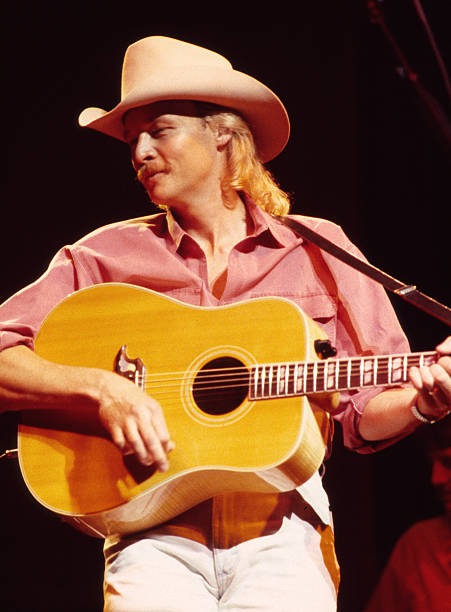
Why Alan Jackson’s Music Feels Different After All These Years
Introduction
There’s a certain kind of silence that settles in when an old country song starts playing—the kind that makes you pause, even for a moment. When you hear Alan Jackson, that feeling seems to come naturally. His music doesn’t just sound like it belongs to another time—it feels like it carries pieces of it.
But why does his music feel so different now, especially after decades of change in the country genre? The answer lies in more than nostalgia. It’s about songwriting, authenticity, and a musical identity that has remained remarkably consistent.
A Brief Look at Alan Jackson’s Background
Born in Georgia in 1958, Alan Jackson rose to fame in the late 1980s and early 1990s, becoming one of the defining voices of traditional country music. His early albums, including Here in the Real World (1990) and Don’t Rock the Jukebox (1991), helped reintroduce a stripped-down, storytelling-focused sound at a time when country music was beginning to lean toward pop influences.
Unlike many artists who adapt quickly to trends, Jackson built his career around a clear musical identity rooted in classic country traditions.
A Career Defined by Consistency
Over the years, Alan Jackson has released more than 15 studio albums and accumulated numerous chart-topping hits. Songs like “Chattahoochee,” “Remember When,” and “Where Were You (When the World Stopped Turning)” demonstrate his range—from lighthearted storytelling to deeply reflective songwriting.
His achievements are well documented. He has received multiple awards from organizations such as the Country Music Association and the Academy of Country Music. He was also inducted into the Country Music Hall of Fame, cementing his place among the genre’s most influential figures.
According to data recognized by institutions like the RIAA, his albums have achieved multi-platinum status, reflecting both commercial success and long-term listener loyalty.
The Sound That Stayed True
Traditional Roots in a Changing Genre
One of the main reasons Alan Jackson’s music feels different today is because it hasn’t changed as dramatically as the genre around it. While modern country often incorporates pop, rock, and electronic elements, Jackson has consistently leaned on traditional instrumentation—steel guitar, fiddle, and acoustic arrangements.
This creates a noticeable contrast. Listening to his music today can feel like stepping into a different musical landscape, one that prioritizes simplicity and clarity over production complexity.
Songwriting That Focuses on Story
Another defining feature of Jackson’s music is his commitment to storytelling. Many of his songs are built around relatable themes—family, small-town life, love, and loss.
For example, “Remember When” traces a lifetime of memories through simple yet effective lyrics. Instead of relying on abstract imagery or heavy metaphor, Jackson often uses straightforward language that resonates across generations.
This approach gives his music a timeless quality, making it feel just as relevant decades later.
Why It Feels Different Today
1. The Evolution of Country Music
Country music today is vastly different from what it was in the 1990s. Artists now frequently blend genres, creating sounds that appeal to broader audiences. While this evolution has expanded the genre’s reach, it has also shifted its identity.
In contrast, Alan Jackson’s music represents a more traditional era—one that emphasized storytelling, authenticity, and musical restraint. When listeners revisit his songs, the difference becomes immediately noticeable.
2. Authenticity That Stands Out
Authenticity is often discussed in music, but it’s not always easy to define. In Jackson’s case, it comes from a consistent alignment between his lyrics, voice, and public persona.
Publications like Rolling Stone and Billboard have frequently highlighted his role in preserving traditional country values. His music doesn’t feel manufactured—it feels lived-in.
That authenticity becomes even more apparent when compared to highly produced, commercially driven tracks in today’s market.
3. The Role of Time and Perspective
There’s also a psychological element. Music often changes meaning as listeners grow older. Songs that once felt ordinary can take on new emotional weight over time.
Alan Jackson’s catalog, filled with reflective and narrative-driven songs, lends itself well to this kind of reinterpretation. What may have once been a simple melody can later feel like a personal memory.
Achievements and Cultural Impact
Alan Jackson’s influence goes beyond chart success. He played a key role in the “neotraditional country” movement, which aimed to bring country music back to its roots during a period of stylistic transition.
His ability to maintain commercial success while staying true to his sound is relatively rare. Many artists face pressure to evolve rapidly, but Jackson demonstrated that consistency can also be a strength.
His induction into the Country Music Hall of Fame and recognition from industry bodies highlight not just popularity, but lasting impact.
A Musical Legacy That Continues
Even today, Alan Jackson’s music continues to find new audiences. Streaming platforms have introduced his catalog to younger listeners, many of whom are discovering traditional country for the first time.
At the same time, longtime fans continue to revisit his work—not just for nostalgia, but for the sense of authenticity it provides.
In a genre that continues to evolve, his music serves as a reference point—a reminder of what country music has been, and what it can still be.
Conclusion
Alan Jackson’s music feels different after all these years not because it has changed, but because everything around it has. His commitment to traditional sounds, clear storytelling, and authenticity creates a listening experience that stands apart in today’s musical landscape.
For some, that difference feels like nostalgia. For others, it feels like rediscovery. Either way, it’s a testament to the enduring power of music that stays true to its roots.
SEO Title
Why Alan Jackson’s Music Feels Different After All These Years
Meta Description
Discover why Alan Jackson’s timeless country music still feels unique today. Explore his career, style, and lasting impact on the genre.
Slug URL
alan-jackson-music-feels-different
Alternative Headlines
- Why Alan Jackson’s Songs Still Sound Timeless Today
- The Lasting Appeal of Alan Jackson’s Traditional Country Sound
- How Alan Jackson Stayed True While Country Music Changed
Sources
- Billboard
- Rolling Stone
- Recording Industry Association of America (RIAA)
- Country Music Hall of Fame
- Academy of Country Music
- Country Music Association