What Made Alan Jackson Walk a Different Path
Introduction
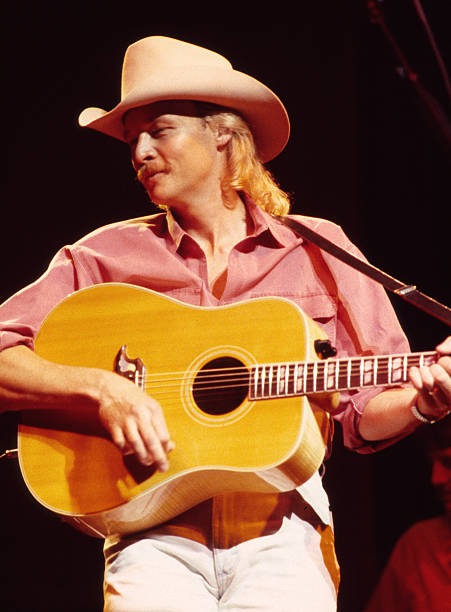
In an industry often shaped by trends, few artists manage to stay true to their roots while still achieving lasting success. Standing on a dimly lit stage with nothing more than a guitar and a story to tell, Alan Jackson built a career that feels almost resistant to change. While country music evolved—sometimes dramatically—Jackson chose a different path. But what exactly made him stand apart?
A Brief Background: From Small Town to National Stage
Born in 1958 in Newnan, Georgia, Alan Jackson grew up surrounded by gospel music and traditional country sounds. His early influences included legends like Hank Williams and George Jones, shaping a musical identity rooted in storytelling and simplicity.
Jackson’s move to Nashville in the 1980s marked the beginning of his professional journey. Like many artists, he faced uncertainty—but his breakthrough came when he signed with Arista Nashville. His debut album, Here in the Real World (1990), immediately set the tone: honest lyrics, traditional instrumentation, and a clear refusal to follow fleeting industry trends.
Staying True in a Changing Industry
The Rise of Pop-Influenced Country
During the 1990s and early 2000s, country music began shifting toward a more polished, pop-oriented sound. Artists experimented with crossover appeal, blending genres to reach broader audiences. While many embraced this evolution, Alan Jackson remained firmly grounded in traditional country.
Songs like “Chattahoochee” and “Don’t Rock the Jukebox” showcased his commitment to classic themes—small-town life, love, and everyday struggles—without heavy production or synthetic elements. His approach wasn’t about resisting change entirely, but about choosing authenticity over adaptation for its own sake.
A Defining Moment: “Murder on Music Row”
One of the clearest statements of Jackson’s philosophy came with the song “Murder on Music Row,” recorded with George Strait. The track openly criticized the commercialization of country music, arguing that traditional sounds were being overshadowed.
While controversial, the song resonated with audiences who felt the same shift. It also reinforced Jackson’s reputation as an artist willing to speak honestly—even when it challenged the direction of the industry.
A Career Built on Consistency
Commercial Success Without Compromise
Despite not chasing trends, Alan Jackson achieved remarkable commercial success. According to the Recording Industry Association of America, he has sold tens of millions of albums in the United States alone. His catalog includes numerous platinum-certified records and chart-topping singles.
He also became a regular presence on the Billboard country charts, with over 30 No. 1 hits. What makes this achievement notable is not just the numbers—but how he reached them. Jackson didn’t reinvent himself to stay relevant; instead, he built a loyal audience that valued consistency.
Recognition from the Industry
Jackson’s influence has been widely acknowledged by the music community. He was inducted into the Country Music Hall of Fame, a milestone that reflects both his artistic contributions and cultural impact.
Publications like Rolling Stone have also recognized his role in preserving traditional country music during a period of rapid transformation.
The Sound That Set Him Apart
Simplicity as Strength
One of the defining features of Alan Jackson’s music is its simplicity. His songs often rely on clean melodies, acoustic instruments, and straightforward arrangements. Rather than layering complex production, he focuses on clarity—letting the story take center stage.
Tracks like “Remember When” and “Drive (For Daddy Gene)” demonstrate how emotional depth can emerge from minimalism. These songs resonate because they feel personal and relatable, not manufactured.
Storytelling at the Core
At the heart of Jackson’s work is storytelling. His lyrics capture everyday experiences—family, loss, nostalgia—with a sense of authenticity that feels grounded in real life. This approach connects across generations, appealing to both longtime country fans and newer listeners seeking something genuine.
Walking a Different Path: Why It Worked
Authenticity Builds Longevity
While trends come and go, authenticity tends to endure. Alan Jackson’s refusal to chase every shift in the industry allowed him to create a body of work that remains relevant years later. His music doesn’t feel tied to a specific era—it feels timeless.
A Clear Artistic Identity
Many artists struggle with identity as they evolve, but Jackson maintained a consistent voice throughout his career. This clarity helped audiences know exactly what to expect—and trust what they would hear.
Connecting Beyond Trends
By focusing on universal themes rather than temporary trends, Jackson built a deeper emotional connection with listeners. His songs are not just products of a moment; they are reflections of shared human experiences.
Legacy and Influence
Alan Jackson’s impact extends beyond his own catalog. He has influenced a generation of artists who seek to balance tradition with modern appeal. Even as country music continues to evolve, his work serves as a reminder of its roots.
Younger performers often cite the importance of authenticity—an idea Jackson embodied long before it became a talking point. His career demonstrates that success doesn’t always require reinvention; sometimes, it comes from staying grounded.
Conclusion
What made Alan Jackson walk a different path wasn’t a single decision—it was a consistent philosophy. In an industry driven by change, he chose stability. In a market shaped by trends, he chose authenticity. And in doing so, he built a legacy that feels both enduring and distinct.
His journey offers a simple but powerful lesson: sometimes, the most effective way forward is to stay true to where you started.
SEO Title
What Made Alan Jackson Walk a Different Path in Country Music
Meta Description
Discover why Alan Jackson chose a unique path in country music, staying true to tradition while achieving long-lasting success and influence.
Slug URL
what-made-alan-jackson-different-path
Alternative Headlines
- Why Alan Jackson Refused to Follow Country Music Trends
- The Traditional Path Behind Alan Jackson’s Lasting Success
- How Alan Jackson Stayed Authentic in a Changing Industry
Sources
- Billboard
- Rolling Stone
- Recording Industry Association of America (RIAA)
- Country Music Hall of Fame
- Official Alan Jackson Website