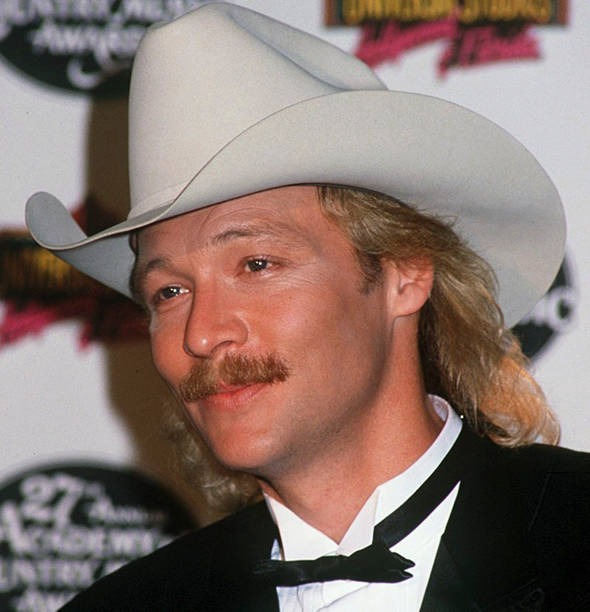
The Surprising Comeback of Classic Country Music
Introduction
There was a time when the sound of traditional country music—steel guitars, honest lyrics, and storytelling rooted in everyday life—seemed to be fading into the background. Radio playlists shifted, production styles changed, and many longtime listeners wondered if the “classic” sound would quietly disappear. Yet in recent years, something unexpected has happened: classic country music is making a noticeable comeback.
At the center of this resurgence is the enduring influence of artists like Alan Jackson, whose music continues to resonate across generations. But this revival isn’t just about nostalgia—it reflects a broader shift in how audiences connect with authenticity, simplicity, and musical tradition.
The Foundations of Classic Country
Classic country music is defined by its simplicity and sincerity. Unlike heavily produced modern tracks, traditional country emphasizes storytelling, acoustic instrumentation, and emotional clarity. Themes often revolve around family, heartbreak, faith, and small-town life—topics that remain relatable regardless of changing trends.
During the 1980s and 1990s, artists like Alan Jackson helped solidify this sound. His music, often associated with the neotraditional country movement, drew heavily from earlier legends while still appealing to contemporary audiences of the time.
Albums like Don’t Rock the Jukebox (1991) and songs such as Chattahoochee became defining examples of how traditional elements could thrive in a modern industry. These works were not only commercially successful but also critically respected, helping preserve the roots of the genre.
Alan Jackson: A Brief Profile
Early Life and Background
Born in 1958 in Newnan, Georgia, Alan Jackson grew up in a working-class environment that would later influence his songwriting. His early exposure to gospel and traditional country music shaped his artistic identity long before he entered the mainstream music industry.
Career Highlights
Jackson’s career took off in the late 1980s, and by the 1990s, he had become one of the most recognizable voices in country music. Known for his consistency and authenticity, he released numerous chart-topping hits and platinum-selling albums.
Notable Achievements
- Multiple Grammy Awards
- Induction into the Country Music Hall of Fame
- Over 50 million records sold worldwide (RIAA estimates)
- Numerous No.1 hits on Billboard’s country charts
His career longevity and commitment to traditional sounds have made him a key figure in discussions about the preservation of classic country music.
Why Classic Country Is Making a Comeback
1. A Growing Desire for Authenticity
In an era dominated by digital production and genre-blending, many listeners are seeking music that feels more “real.” Classic country offers exactly that—straightforward lyrics, organic instrumentation, and a focus on storytelling.
This shift is evident in streaming trends and audience behavior. According to data often cited by platforms like Billboard, songs that emphasize traditional country elements have seen renewed interest, especially among younger listeners discovering the genre for the first time.
2. Influence of Legacy Artists
Artists like Alan Jackson continue to play a crucial role in keeping classic country relevant. Even as newer artists emerge, Jackson’s catalog remains widely streamed and frequently referenced.
His influence extends beyond his own music. Many modern country artists cite him—and others from his era—as inspirations, incorporating traditional sounds into their work.
3. Cultural Cycles and Nostalgia
Music trends often move in cycles. What once felt outdated can become fresh again when revisited through a new lens. The resurgence of vinyl records and acoustic performances reflects a broader cultural appreciation for “older” formats and styles.
Classic country fits naturally into this trend. Its timeless themes and straightforward production make it accessible, even to audiences who didn’t grow up with it.
4. Digital Platforms Expanding Access
Streaming services and social media have made it easier than ever for listeners to explore older music catalogs. A song released decades ago can suddenly gain new life through playlists, recommendations, or viral moments.
As a result, artists like Alan Jackson are reaching audiences far beyond their original fan base.
The Sound That Still Resonates
Musical Style
Classic country is built around a few core elements:
- Steel guitar and fiddle instrumentation
- Simple chord progressions
- Clear vocal delivery
- Story-driven lyrics
Alan Jackson exemplifies this style. His songs rarely rely on heavy production; instead, they allow the narrative and melody to take center stage.
Notable Songs
Some of Jackson’s most enduring tracks include:
- Remember When – A reflective look at love and time
- Drive (For Daddy Gene) – A personal tribute rooted in storytelling
- Where Were You (When the World Stopped Turning) – A culturally significant response to national tragedy
These songs demonstrate how classic country can address both personal and collective experiences in a meaningful way.
Impact and Lasting Legacy
Influence on Modern Artists
Today’s country music landscape is more diverse than ever, but the influence of classic country remains visible. Many artists incorporate traditional elements into their sound, even when blending genres.
This hybrid approach has helped reintroduce classic country aesthetics to a broader audience.
Industry Recognition
Organizations like the Country Music Hall of Fame and chart authorities such as Billboard continue to highlight the importance of legacy artists.
Recognition from these institutions reinforces the idea that classic country is not just a historical genre—it’s an ongoing influence.
Conclusion
The comeback of classic country music is not simply a return to the past. It reflects a deeper shift in audience preferences toward authenticity, storytelling, and emotional connection. While trends will continue to evolve, the core elements of classic country remain relevant.
Artists like Alan Jackson stand as a bridge between generations, proving that music grounded in honesty and simplicity can endure. As new listeners discover these sounds and modern artists reinterpret them, classic country is finding a renewed place in today’s musical landscape.
SEO Title
The Surprising Comeback of Classic Country Music: Why It’s Trending Again
Meta Description
Discover why classic country music is making a comeback and how artists like Alan Jackson continue to influence modern audiences with timeless sound and storytelling.
Slug URL
classic-country-music-comeback
Alternative Headlines
- Why Classic Country Music Is Trending Again in the Streaming Era
- The Return of Traditional Country: A New Generation Listens
- How Alan Jackson and Classic Sounds Are Winning Back Fans
Sources
- Billboard
- Rolling Stone
- Recording Industry Association of America (RIAA)
- Country Music Hall of Fame
- Official artist discographies and interviews