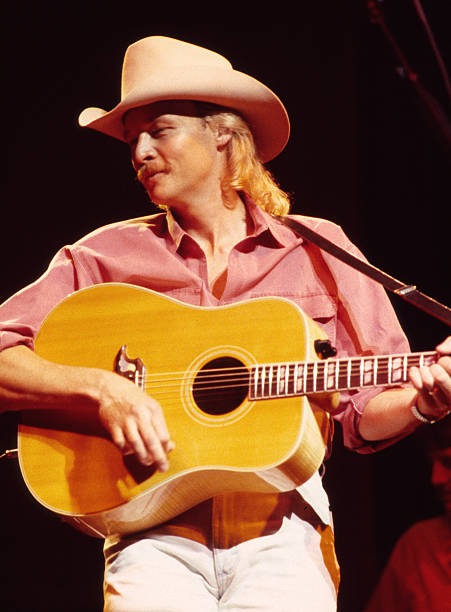
What You Probably Missed Listening to Alan Jackson
Introduction
There’s a certain kind of song that feels simple the first time you hear it—easy to follow, familiar, almost effortless. But when you return to it later, something shifts. The details start to surface. With Alan Jackson, that experience is common. His music rarely demands attention, yet it quietly rewards those who listen more closely.
While many listeners remember his biggest hits or his unmistakable voice, there are layers in his songwriting, production choices, and career decisions that often go unnoticed. Understanding these elements not only deepens appreciation for his catalog but also explains why his music continues to resonate decades later.
A Brief Look at His Background
Born in Georgia in 1958, Alan Jackson grew up surrounded by gospel and traditional country music. His early influences shaped a style rooted in storytelling rather than spectacle. After moving to Nashville in the 1980s, he broke through with his debut album Here in the Real World (1990), which established him as a voice for traditional country during a time of stylistic transition.
Over the years, Jackson has released numerous albums and chart-topping singles, maintaining a consistent identity while the industry evolved around him. His career spans more than three decades, with recognition from institutions such as the Country Music Hall of Fame and chart success documented by Billboard.
The Subtle Craft of His Songwriting
Storytelling Without Excess
One of the most overlooked aspects of Alan Jackson’s music is how much he achieves with restraint. Songs like “Drive (For Daddy Gene)” and “Remember When” rely on simple language, but they carry emotional weight through carefully chosen details rather than dramatic phrasing.
Instead of telling listeners what to feel, Jackson often presents scenes—driving a boat, raising a family, reflecting on time—and allows meaning to emerge naturally. This approach aligns with traditional country songwriting, where narrative clarity takes precedence over lyrical complexity.
Everyday Themes with Lasting Impact
Jackson’s lyrics frequently revolve around ordinary experiences: love, family, work, and memory. At first glance, these themes may seem familiar, but their execution is what sets them apart. By focusing on specifics rather than abstractions, his songs feel grounded and relatable across generations.
This is one reason his catalog avoids becoming dated. While production styles may change over time, the core themes remain relevant.
Production Choices You Might Not Notice
Keeping It Traditional—On Purpose
During the 1990s, country music saw increasing influence from pop and rock elements. Jackson, however, consistently leaned toward traditional instrumentation—steel guitar, fiddle, and acoustic arrangements.
This was not a limitation but a deliberate choice. By maintaining a consistent sonic identity, he created music that feels cohesive across decades. Even when trends shifted, his songs retained a sense of authenticity that appealed to both longtime fans and new listeners.
Letting the Song Lead
Another subtle feature of Jackson’s recordings is the balance between vocals and instrumentation. His voice is rarely overshadowed by production. Instead, arrangements are designed to support the narrative, not compete with it.
This approach reflects a broader philosophy: the song itself is the priority. It’s a principle often highlighted in discussions by publications like Rolling Stone when evaluating enduring artists.
Career Decisions That Shaped His Legacy
Staying Consistent in a Changing Industry
One of the less obvious reasons behind Jackson’s longevity is his resistance to rapid reinvention. While many artists adapt their sound to match trends, Jackson has maintained a steady artistic direction.
This consistency helped build trust with his audience. Listeners knew what to expect—not in a repetitive sense, but in terms of quality and authenticity. Over time, that reliability became a defining characteristic of his brand.
Balancing Commercial Success and Artistic Integrity
Jackson’s success is not limited to critical recognition. He has achieved significant commercial milestones, including multi-platinum certifications recognized by the Recording Industry Association of America.
What’s notable is how these achievements coexist with a clear artistic identity. Rather than chasing chart performance alone, Jackson’s work often reflects personal values and musical roots, which in turn contributed to his long-term success.
The Emotional Tone Beneath the Surface
Understated Delivery
Jackson’s vocal style is often described as calm or understated. However, this quality allows emotion to come through in a more controlled and authentic way. Instead of relying on vocal intensity, he uses phrasing and timing to convey meaning.
For example, in reflective songs, pauses and subtle shifts in tone can communicate as much as the lyrics themselves. These nuances are easy to overlook but play a significant role in the overall impact.
Nostalgia Without Overstatement
Many of Jackson’s songs evoke nostalgia, but they rarely feel overly sentimental. This balance is achieved by grounding emotional moments in real-life details rather than exaggeration.
As a result, listeners can connect with the music without feeling that the emotion is being forced. It’s a restrained approach that aligns with the broader aesthetic of his work.
Influence and Lasting Impact
A Bridge Between Generations
Alan Jackson’s career places him at an interesting point in country music history. He emerged during a period when traditional country was evolving, yet he remained closely tied to its roots.
This positioning allowed him to serve as a bridge between older and newer audiences. Artists who followed often cited the importance of maintaining authenticity—an idea Jackson consistently demonstrated throughout his career.
Defining What “Timeless” Means
When people describe music as “timeless,” they often refer to songs that remain relevant despite changing trends. Jackson’s catalog provides a clear example of this concept.
Rather than relying on innovation alone, his music emphasizes clarity, honesty, and craftsmanship. These qualities tend to endure, even as the surrounding industry continues to evolve.
Conclusion
Listening to Alan Jackson casually can be enjoyable, but listening more closely reveals a different experience. Beneath the straightforward melodies and familiar themes lies a careful balance of storytelling, production, and artistic decision-making.
What many listeners may have missed is not complexity in the traditional sense, but precision. Every element—from lyrical detail to instrumental choice—serves a purpose. That discipline is a key reason his music continues to resonate with audiences over time.
In a genre often shaped by shifting trends, Alan Jackson’s work stands as a reminder that simplicity, when executed well, can have lasting impact.
SEO Title
What You Probably Missed Listening to Alan Jackson | Hidden Depths Explained
Meta Description
Discover the hidden details in Alan Jackson’s music—from subtle songwriting techniques to timeless production choices that many listeners overlook.
Slug URL
what-you-missed-listening-to-alan-jackson
Alternative Headlines
- The Hidden Details in Alan Jackson’s Music You May Have Overlooked
- Why Alan Jackson’s Songs Reveal More the Second Time You Listen
- The Subtle Genius Behind Alan Jackson’s Timeless Sound
Sources
- Billboard
- Rolling Stone
- Recording Industry Association of America (RIAA)
- Country Music Hall of Fame
- Alan Jackson Official Website