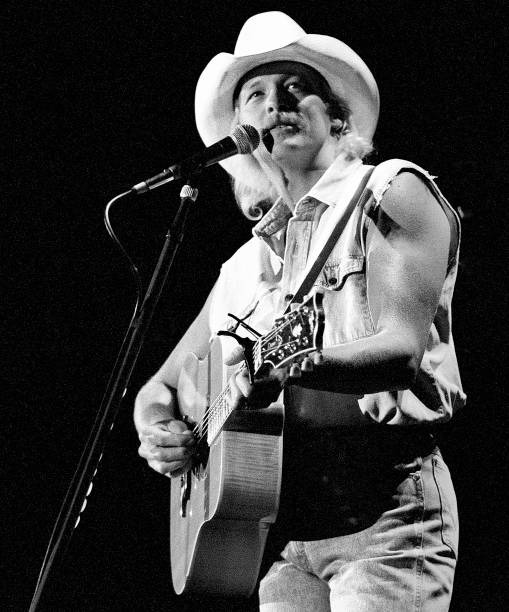
Music That Feels Like a Conversation: Why Alan Jackson Still Connects So Deeply
Introduction
Imagine sitting on a quiet porch at the end of a long day, someone beside you telling a story—not loudly, not dramatically, just honestly. That’s what listening to Alan Jackson often feels like. His music doesn’t try to impress you; it speaks to you. In an era where production can overshadow meaning, Jackson’s songs stand out for their simplicity and clarity—like a conversation you didn’t realize you needed.
A Brief Look at Alan Jackson’s Background
Born in Newnan, Georgia, Alan Jackson emerged in the late 1980s as part of a movement that helped bring traditional country sounds back into the mainstream. Influenced by artists like George Jones and Merle Haggard, he developed a style rooted in storytelling and authenticity.
Jackson’s early success came with his debut album Here in the Real World (1990), which introduced audiences to his understated delivery and relatable themes. Over time, he became one of country music’s most consistent voices, maintaining a clear artistic identity even as the industry evolved.
A Career Built on Simplicity and Consistency
Throughout his decades-long career, Jackson has released numerous chart-topping hits, including “Chattahoochee,” “Remember When,” and “Drive (For Daddy Gene).” His work has earned him multiple awards from the Country Music Association and the Academy of Country Music, as well as induction into the Country Music Hall of Fame.
What sets his career apart is not just longevity, but consistency. While many artists adapt to trends, Jackson has remained grounded in his original approach—favoring clear narratives, traditional instrumentation, and emotional sincerity over stylistic shifts.
Why His Music Feels Like a Conversation
1. Direct and Relatable Lyrics
One of the defining features of Alan Jackson’s music is how directly he communicates. His lyrics often read like everyday speech—simple, but meaningful. Songs like “Remember When” don’t rely on complex metaphors; instead, they tell stories in a way that feels personal and familiar.
This conversational quality allows listeners to insert their own experiences into the music. Rather than being told what to feel, they are invited to reflect.
2. A Calm and Unforced Vocal Style
Jackson’s voice plays a significant role in this effect. He doesn’t over-sing or dramatize. His delivery is steady, almost conversational, which makes his songs feel more like shared thoughts than performances.
This approach contrasts with more theatrical vocal styles, and it helps maintain a sense of authenticity—something increasingly valued by listeners seeking genuine connection.
3. Minimalist Production Choices
While production trends in country music have shifted toward pop-influenced sounds, Jackson’s recordings often maintain a stripped-down arrangement. Acoustic guitars, steel guitar, and subtle rhythms create space for the lyrics to breathe.
This simplicity reinforces the feeling that the artist is speaking directly to the listener, rather than performing for a crowd.
Achievements and Industry Recognition
Alan Jackson’s influence is supported by measurable success. According to the Recording Industry Association of America (RIAA), he has sold tens of millions of records in the United States alone. His albums have consistently charted on Billboard, and many of his singles reached No. 1 on the Hot Country Songs chart.
In addition to commercial success, Jackson has received recognition for his contribution to preserving traditional country music. His induction into the Country Music Hall of Fame highlights not only his achievements, but also his role in shaping the genre’s identity.
Musical Style and Artistic Identity
Jackson’s style is often described as “neo-traditional country,” a blend of classic country elements with modern accessibility. However, labels only tell part of the story.
At the core of his music is a focus on everyday life—family, memory, faith, and simple moments. Songs like “Drive (For Daddy Gene)” explore personal relationships, while tracks like “Where Were You (When the World Stopped Turning)” reflect broader cultural experiences.
What unites these songs is their tone: reflective, grounded, and sincere. They don’t aim to overwhelm; they aim to connect.
Influence and Lasting Legacy
Alan Jackson’s impact extends beyond his own recordings. He helped define a standard for authenticity in country music during a time of change. Younger artists often cite him as an influence—not necessarily for his sound alone, but for his commitment to staying true to it.
In a music industry that frequently rewards reinvention, Jackson’s career demonstrates that consistency can also build a lasting legacy. His work continues to resonate with audiences who value clarity over complexity and meaning over spectacle.
Conclusion
“Music that feels like a conversation” may sound like a simple idea, but it’s surprisingly rare. Alan Jackson has built an entire career around it—through honest lyrics, understated performances, and a clear sense of identity.
His songs don’t demand attention; they earn it quietly. And in doing so, they create something lasting: a connection that feels less like listening, and more like understanding.
SEO Title
Music That Feels Like a Conversation: The Enduring Appeal of Alan Jackson
Meta Description
Discover how Alan Jackson’s simple, honest style creates music that feels like a real conversation, connecting deeply with listeners across generations.
Slug URL
alan-jackson-music-conversation-style
Alternative Headlines
- Why Alan Jackson’s Music Feels So Personal and Real
- The Quiet Power Behind Alan Jackson’s Storytelling Style
- How Simplicity Made Alan Jackson a Country Music Icon
Sources
- Billboard
- Rolling Stone
- Recording Industry Association of America (RIAA)
- Country Music Hall of Fame
- Official Alan Jackson Website