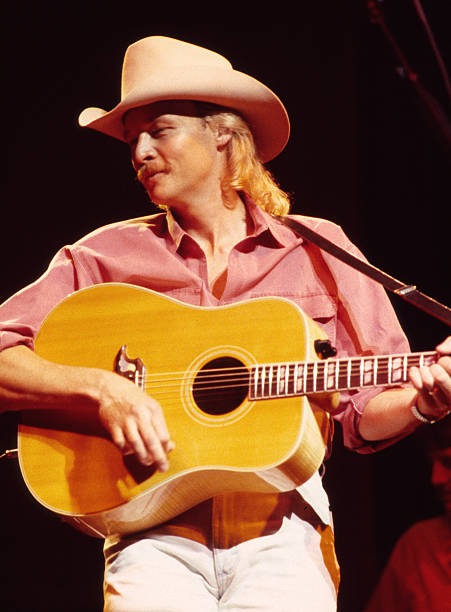
This Is Why His Music Still Works: Understanding the Lasting Appeal of Alan Jackson
Introduction
There’s a moment many listeners recognize, even if they can’t quite explain it. You hear a song you’ve known for years—maybe by Alan Jackson—and suddenly, it feels different. The lyrics land harder. The melody carries more weight. What once sounded simple now feels deeply personal.
This shift isn’t accidental. It reflects something fundamental about how certain music is written, performed, and remembered. In the case of Alan Jackson, it also explains why his songs continue to resonate across generations, long after their initial release.
So why does his music still work today—without relying on trends, heavy production, or reinvention?
A Brief Look at Alan Jackson’s Career
Before exploring the “why,” it helps to understand the foundation.
Alan Jackson emerged in the late 1980s as part of a movement often referred to as the “neotraditional country” wave. Alongside artists like George Strait and Randy Travis, he helped bring country music back to its roots—prioritizing storytelling, traditional instrumentation, and emotional clarity.
Over the decades, Jackson built one of the most consistent careers in country music history:
- Over 50 singles on the Billboard Hot Country Songs chart
- More than 35 No. 1 hits
- Induction into the Country Music Hall of Fame (2017)
- Multiple Grammy Awards and CMA Awards
According to sources such as Billboard and the Country Music Hall of Fame, his influence extends beyond chart success—he helped define what modern traditional country sounds like.
The Power of Simplicity in Songwriting
Why “Less” Often Feels Like More
One of the most defining traits of Alan Jackson’s music is its simplicity.
Unlike many contemporary productions, his songs rarely rely on complex metaphors or layered arrangements. Instead, they focus on:
- Clear storytelling
- Everyday language
- Familiar emotional situations
This simplicity isn’t a limitation—it’s a strategic strength.
Research in music psychology suggests that listeners connect more deeply with songs that are easy to process and relate to. When lyrics are straightforward, the listener doesn’t have to decode meaning—they can immediately recognize themselves in the story.
That’s why lines in songs like “Remember When” or “Drive (For Daddy Gene)” feel so immediate. They don’t try to impress; they try to reflect.
Songs That Evolve With the Listener
Why the Same Song Feels Different Over Time
A key reason Alan Jackson’s music still works is its ability to grow with the listener.
At first, a song may feel pleasant or nostalgic. But years later, after life experience changes, the same lyrics can take on entirely new meaning.
This aligns with a well-documented phenomenon in music cognition: meaning is not fixed in the song itself—it is co-created by the listener.
Jackson’s writing style leaves space for that interpretation:
- He avoids over-explaining emotions
- He focuses on moments rather than conclusions
- He lets listeners fill in the gaps with their own experiences
That’s why a line that once seemed ordinary can suddenly feel deeply personal years later.
Authenticity Over Trend
Staying True Instead of Staying Current
Another reason his music endures is consistency.
While many artists adapt their sound to match industry trends, Alan Jackson has largely maintained a traditional country style throughout his career:
- Acoustic instrumentation (guitar, fiddle, steel)
- Minimal electronic production
- Emphasis on vocals and lyrics
Publications like Rolling Stone have noted that artists who maintain a clear artistic identity tend to build stronger long-term audience trust.
Jackson’s audience knows what to expect—not in a repetitive way, but in a reliable one. His music feels grounded, not manufactured.
Emotional Honesty Without Excess
Why His Songs Feel Real, Not Dramatic
There’s a noticeable restraint in how Alan Jackson handles emotion.
His songs rarely exaggerate feelings or push for dramatic effect. Instead, they:
- Present situations as they are
- Let emotion emerge naturally
- Avoid overproduction that might overshadow the message
This approach creates a sense of authenticity that is increasingly rare.
According to industry analyses from organizations like the Recording Industry Association of America (RIAA), audiences often respond more positively to music perceived as “genuine,” especially in genres like country where storytelling is central.
Cultural Impact and Lasting Influence
More Than Just Hit Songs
Alan Jackson’s influence goes beyond his own catalog.
He helped shape:
- The direction of 1990s country music
- The preservation of traditional country sounds
- The standard for narrative-driven songwriting
His work has influenced newer artists who aim to balance commercial success with authenticity.
Even as country music evolves, Jackson’s approach remains a reference point—often cited in discussions about “real” country versus more pop-oriented variations.
Why His Music Still Works Today
Bringing it all together, the staying power of Alan Jackson’s music comes down to a few key factors:
1. Relatability
His songs reflect everyday life rather than abstract ideas.
2. Timeless Structure
They are built on storytelling principles that don’t depend on trends.
3. Emotional Space
Listeners are allowed to interpret and personalize the meaning.
4. Consistent Identity
He didn’t chase change—he refined what already worked.
5. Authentic Delivery
His voice and style reinforce the sincerity of the message.
These elements combine to create music that doesn’t just succeed at release—it continues to function years later, in entirely different contexts.
Conclusion
When a song suddenly feels different years after you first heard it, it’s not because the music changed—it’s because you did.
Alan Jackson’s catalog is built to accommodate that shift. His songs don’t demand attention upfront; they wait. And when life catches up, they reveal something deeper.
That’s the quiet reason his music still works. Not because it tries to stay relevant—but because it was never tied to a specific moment in the first place.
SEO Section
1. SEO Title
This Is Why Alan Jackson’s Music Still Works Today
2. Meta Description
Discover why Alan Jackson’s music remains timeless. Explore his songwriting style, career impact, and the key reasons his songs still resonate with listeners today.
3. URL Slug
alan-jackson-music-still-works
4. Alternative Headlines
- Why Alan Jackson’s Songs Still Resonate Years Later
- The Timeless Appeal of Alan Jackson’s Music Explained
- How Alan Jackson Built Music That Lasts Across Generations
Sources
- Billboard
- Rolling Stone
- Recording Industry Association of America (RIAA)
- Country Music Hall of Fame
- Official artist discography and public records