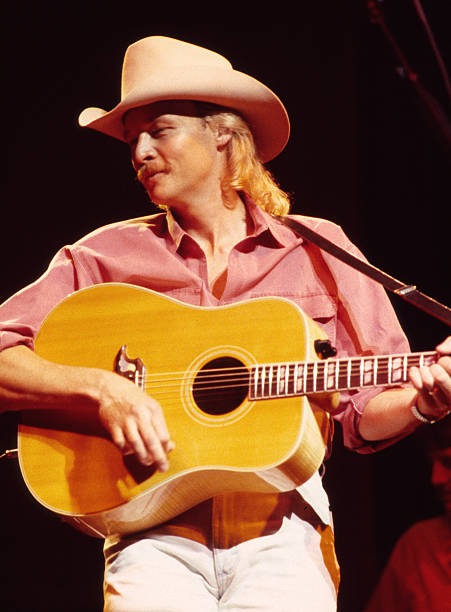
The Reason His Songs Still Feel Real Today — Understanding Alan Jackson’s Enduring Appeal
Introduction
In an era where music trends change rapidly and production styles evolve almost overnight, the lasting relevance of Alan Jackson stands out for a different reason. His songs don’t rely on cutting-edge production or shifting trends. Instead, they remain grounded in something far more durable: authenticity.
Decades after his debut, Alan Jackson’s music still resonates with listeners across generations. Whether it’s a longtime country fan or someone discovering his catalog for the first time, there’s a consistent reaction—his songs feel real. This article explores why that is, looking at his background, musical style, and the lasting impact of his work.
A Brief Overview of Alan Jackson’s Career
Alan Jackson emerged in the late 1980s as part of the “neotraditional country” movement, a wave of artists who returned to the roots of classic country music. Born in Georgia in 1958, Jackson built his career on a foundation of traditional sounds, storytelling lyrics, and a clear artistic identity.
His debut album Here in the Real World (1990) introduced a style that stood apart from the more polished, pop-influenced country music of the time. Over the years, Jackson has released numerous chart-topping hits, including “Chattahoochee,” “Remember When,” and “Drive (For Daddy Gene).”
According to RIAA, Alan Jackson is one of the best-selling country artists of all time, with millions of certified units sold in the United States. His contributions have also been recognized by the Country Music Hall of Fame, where he was inducted in 2017.
The Power of Simplicity in His Music
Straightforward Lyrics That Reflect Everyday Life
One of the key reasons Alan Jackson’s songs feel real is his commitment to simplicity. His lyrics are direct, often focusing on everyday experiences—family, love, work, and memory.
Unlike heavily metaphorical songwriting, Jackson’s approach allows listeners to immediately understand and relate to his message. Songs like “Remember When” chronicle life stages in a way that feels personal but universally recognizable.
This clarity is not accidental. It reflects a songwriting philosophy rooted in traditional country music, where storytelling takes priority over stylistic complexity.
Minimalist Production That Supports the Message
Another defining trait is his restrained production style. While many modern songs rely on layered effects and digital enhancements, Jackson’s recordings often feature classic instruments like acoustic guitar, fiddle, and steel guitar.
This minimalist approach ensures that the focus remains on the story and the voice. It also contributes to the timeless quality of his music—because it isn’t tied to a specific production trend, it ages more gracefully.
Authenticity as a Core Identity
Staying Consistent in a Changing Industry
Over the decades, country music has shifted significantly, incorporating pop, rock, and even hip-hop influences. Many artists have adapted their sound to stay commercially competitive.
Alan Jackson, however, has remained remarkably consistent. He has largely stayed true to traditional country elements, even when industry trends moved in different directions.
This consistency builds trust with listeners. When audiences return to his music, they know what to expect—and that reliability strengthens the emotional connection.
Writing and Recording with Personal Integrity
Jackson has co-written many of his songs, allowing him to maintain control over his artistic voice. This involvement adds another layer of authenticity, as the stories often reflect his own experiences or perspectives.
Tracks like “Drive (For Daddy Gene)” are widely recognized for their personal tone, drawing from real-life memories rather than constructed narratives. This grounded approach helps listeners feel that the emotions in his music are genuine rather than manufactured.
Emotional Resonance Without Excess
Understated Delivery That Feels Natural
A notable aspect of Alan Jackson’s style is his vocal delivery. He does not rely on dramatic vocal runs or exaggerated emotional expression. Instead, his voice is steady, conversational, and controlled.
This understated delivery creates a different kind of emotional impact. Rather than telling listeners how to feel, his songs allow space for personal interpretation.
Letting the Listener Fill in the Gaps
By avoiding overstatement, Jackson’s music invites listeners to project their own experiences onto the songs. This is one reason his work continues to resonate over time.
A song doesn’t need to be tied to a specific moment or trend to feel meaningful. When listeners hear something that mirrors their own life, even in subtle ways, the connection becomes stronger and more lasting.
Cultural Impact and Legacy
Influence on Modern Country Artists
Alan Jackson’s commitment to traditional country values has influenced a new generation of artists who seek to preserve the genre’s roots. His work serves as a reference point for authenticity in an industry that often prioritizes innovation over tradition.
Publications like Rolling Stone have noted the importance of artists like Jackson in maintaining the balance between tradition and evolution within country music.
Recognition and Critical Acclaim
Throughout his career, Jackson has received numerous awards, including Grammys and Country Music Association honors. His consistent chart performance, documented by Billboard, reflects both commercial success and enduring popularity.
More importantly, his music continues to be played, shared, and rediscovered—an indicator of relevance that goes beyond awards and sales figures.
Why His Songs Still Feel Real Today
Timeless Themes
At the core of Alan Jackson’s music are themes that don’t expire: love, family, nostalgia, and personal reflection. These are not tied to a specific era, making his songs accessible across generations.
Honest Storytelling
His focus on honest storytelling, rather than spectacle, ensures that the emotional core of his songs remains intact over time. Listeners are not distracted by trends or production choices—they are drawn into the story itself.
A Consistent Artistic Voice
Perhaps most importantly, Alan Jackson has maintained a clear and consistent artistic identity. In a constantly evolving industry, that consistency is rare—and it is a key reason his music continues to feel genuine.
Conclusion
The reason Alan Jackson’s songs still feel real today is not rooted in nostalgia alone. It comes from a combination of simplicity, authenticity, and a deep respect for storytelling.
By staying true to his musical roots and focusing on universal human experiences, Jackson has created a body of work that remains relevant long after its initial release. His songs don’t try to capture attention—they earn it through honesty and clarity.
In a landscape often defined by change, Alan Jackson’s music stands as a reminder that sometimes, staying the same is exactly what makes something timeless.
SEO Title
The Reason Alan Jackson’s Songs Still Feel Real Today
Meta Description
Discover why Alan Jackson’s music remains authentic and timeless. Explore his career, style, and the lasting impact behind his real, relatable songs.
Slug URL
alan-jackson-songs-still-feel-real
Alternative Headlines
- Why Alan Jackson’s Music Still Connects With Listeners Today
- The Timeless Appeal Behind Alan Jackson’s Songs
- How Alan Jackson Keeps Country Music Authentic
Sources
- Billboard
- Rolling Stone
- Recording Industry Association of America (RIAA)
- Country Music Hall of Fame
- Official Alan Jackson Website