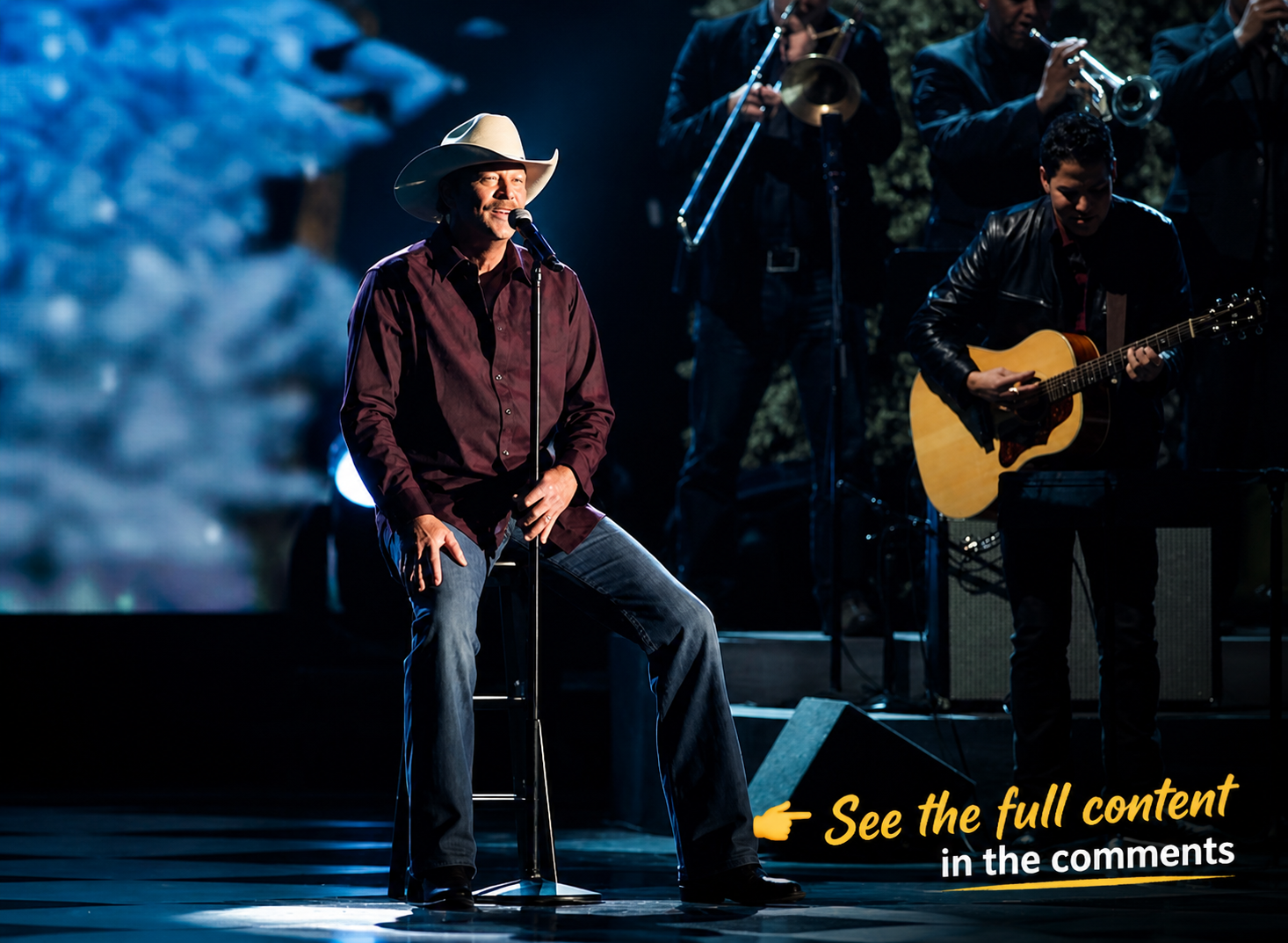
Why Alan Jackson’s Songs Sound Like Real Conversations
Introduction
One of the most distinctive qualities of country music is its storytelling tradition, and few artists embody that better than Alan Jackson. Across decades of recordings, his songs have stood out not just for their melodies, but for the way they feel deeply personal—almost like someone is speaking directly to the listener rather than performing on a stage.
This conversational quality is a key reason his music remains timeless. It bridges the gap between performer and audience, making even widely shared experiences feel intimate and relatable. In this article, we’ll explore how his songwriting approach, vocal style, and musical influences contribute to this effect, along with his broader impact on country music.
Primary keyword: Alan Jackson conversational songwriting
A Brief Look at Alan Jackson’s Career and Background
Alan Jackson was born in Newnan, Georgia, and rose to prominence in the late 1980s and early 1990s as part of a wave of traditional country revivalists. Unlike many artists who leaned heavily into pop crossover trends, Jackson remained committed to classic country storytelling rooted in everyday life.
His debut album Here in the Real World (1990) introduced him as a songwriter with a clear narrative voice. Over time, he built a catalog of hits that included songs about love, heartbreak, working-class life, faith, and nostalgia. He has sold tens of millions of records worldwide and earned recognition from major institutions such as the Country Music Hall of Fame, which inducted him in 2017.
Industry bodies like the RIAA and publications such as Billboard have consistently ranked him among the most successful country artists of his generation, highlighting both commercial success and cultural influence.
The Storytelling Style That Feels Like Everyday Speech
Simple Language, Strong Emotion
One of the main reasons Alan Jackson’s songs feel conversational is his use of simple, direct language. He rarely relies on overly poetic or abstract phrasing. Instead, his lyrics often resemble how people actually speak in real life.
For example, in songs like Remember When or Drive (For Daddy Gene), the phrasing is straightforward and unforced. This makes listeners feel like they are hearing a personal memory rather than a polished performance.
Narrative Structure Instead of Abstract Themes
Many of Jackson’s songs follow a clear beginning, middle, and end. Rather than focusing on vague emotions, he often builds small stories:
- A memory from childhood
- A moment of love or regret
- A reflection on time passing
This structure mimics how people naturally tell stories in conversation—often casually, with emotional emphasis rather than literary complexity.
Vocal Delivery That Enhances the Conversational Tone
Calm, Unhurried Phrasing
Another defining feature of Alan Jackson is his vocal delivery. He sings with a relaxed, unforced tone that avoids dramatic exaggeration. This allows the lyrics themselves to take center stage.
His phrasing often sounds like he is speaking just slightly above a whisper, which creates the impression of intimacy. Instead of performing at the listener, he seems to be speaking to them.
Natural Timing and Rhythm
Unlike heavily produced pop vocals, Jackson’s timing often mirrors natural speech patterns. He pauses where a person might pause in conversation, and he emphasizes words in a way that feels emotionally natural rather than technically precise.
This subtle approach contributes significantly to the “real conversation” feeling in his music.
Traditional Country Influences and Authenticity
Roots in Classic Country Storytelling
The conversational quality in Jackson’s music is also rooted in his influences. He has often drawn inspiration from traditional country artists who prioritized storytelling, such as George Jones and Hank Williams.
This tradition emphasizes honesty, clarity, and emotional directness rather than vocal theatrics. Jackson carried these values into modern country music at a time when the genre was increasingly blending with pop and rock influences.
Resistance to Overproduction
Throughout much of his career, Jackson has maintained relatively simple production styles. Instruments like acoustic guitar, fiddle, and steel guitar are often used in understated ways, allowing the lyrics and vocal delivery to remain central.
This production choice reinforces the feeling that the listener is hearing a personal story rather than a heavily engineered studio product.
Why Listeners Connect So Strongly With His Music
Relatable Themes
Many of Jackson’s songs deal with universal life experiences: growing up, losing loved ones, falling in love, or reflecting on time. Because the language is simple and the storytelling is grounded, listeners from different backgrounds can easily relate to the messages.
Emotional Honesty Without Excess
Instead of overwhelming the listener with dramatic emotion, his songs often allow feelings to emerge naturally. This restraint makes the emotional moments feel more genuine, similar to how real conversations unfold in life.
Legacy and Influence in Country Music
Alan Jackson remains one of the most influential figures in modern country music. His commitment to traditional storytelling has helped preserve a style that might otherwise have been overshadowed by more commercial trends.
According to recognition from institutions such as the Country Music Hall of Fame and industry reporting from Billboard, his work continues to be studied and appreciated for its clarity, authenticity, and emotional accessibility.
Many newer country artists cite his songwriting approach as a model for balancing commercial success with lyrical honesty.
Conclusion
The reason Alan Jackson’s songs sound like real conversations comes down to a combination of factors: simple and direct language, narrative-driven songwriting, natural vocal delivery, and a deep respect for traditional country storytelling.
Rather than relying on complexity or theatrical performance, he focuses on clarity and emotional truth. This makes his music feel less like entertainment and more like a shared human experience.
That conversational quality is exactly why his songs continue to resonate across generations—and why his legacy in country music remains so strong.
SEO Elements
1. SEO Title
Why Alan Jackson’s Songs Sound Like Real Conversations: The Secret Behind His Storytelling Style
2. Meta Description
Discover why Alan Jackson’s songs feel like real conversations. Explore his storytelling style, vocal delivery, and country music legacy in this in-depth article.
3. Slug URL
alan-jackson-songs-real-conversations-storytelling-style
4. Alternative Headings
- How Alan Jackson Creates a Conversational Style in Country Music
- The Storytelling Secrets Behind Alan Jackson’s Songwriting
- Why Alan Jackson Sounds Like He’s Talking, Not Singing
5. Sources
- Country Music Hall of Fame
- RIAA
- Billboard
- Rolling Stone
- Official artist biography and discography materials of Alan Jackson