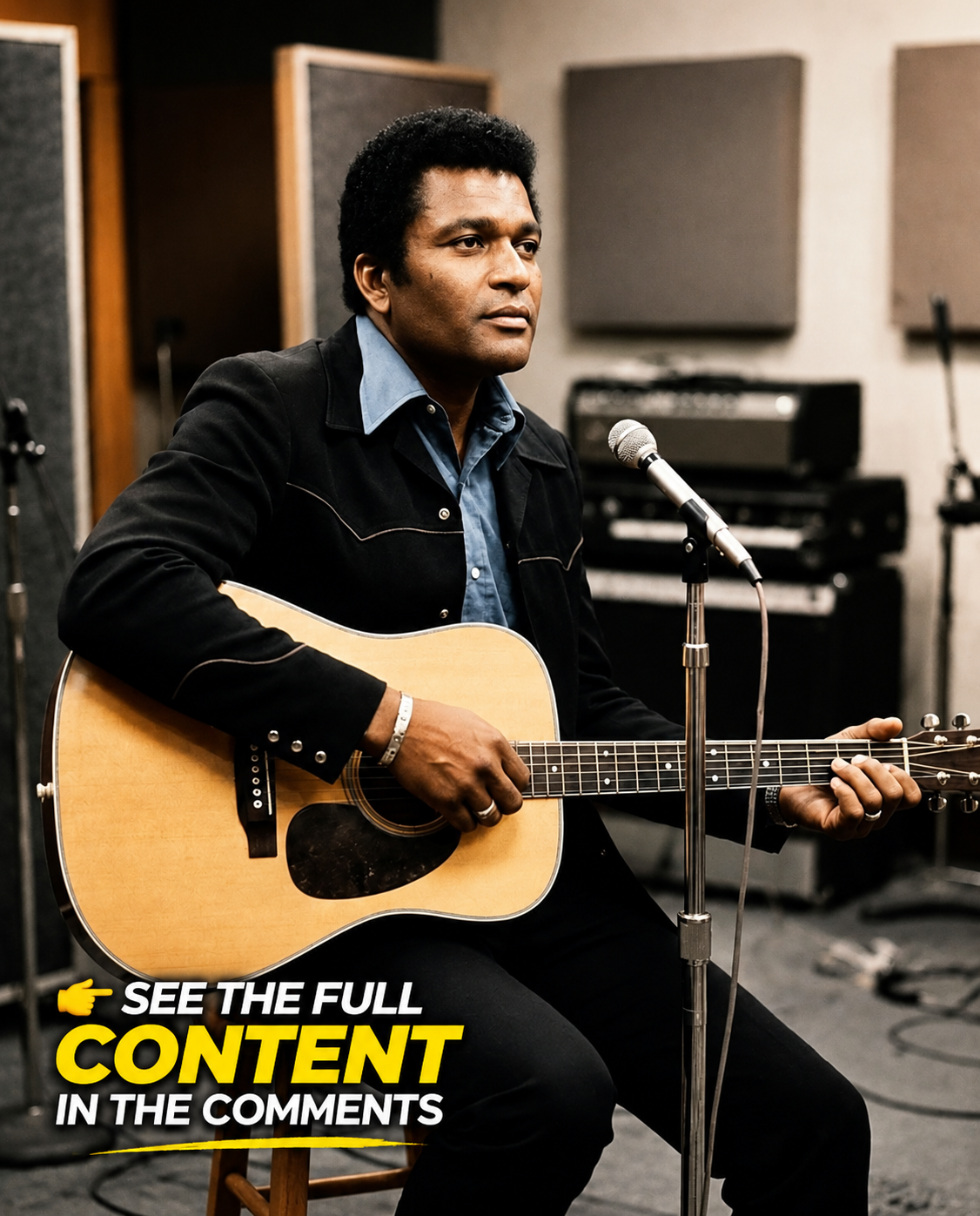
The Quiet Strength of Charley Pride and the Songs That Spoke for Themselves
Country music has always been filled with larger-than-life personalities. Some artists built their legacy through bold speeches, political statements, or carefully crafted public images. Others let the music carry the entire weight of their story. Charley Pride belonged firmly to the second group, and that quiet approach often unsettled people more than open confrontation ever could.
While many performers used the spotlight to explain themselves, Pride stepped onto the stage with a different purpose. He sang about heartbreak, memory, love, loneliness, and everyday life. He trusted the songs to do the talking. Ironically, that decision became one of the most debated parts of his career.
A Career Built on Music, Not Headlines
From the moment Charley Pride emerged in country music, expectations surrounded him. Audiences, critics, and industry insiders often assumed he would become more than a singer. Many wanted him to serve as a spokesperson, a symbol, or a constant commentator on social issues connected to his presence in the genre.
But Pride rarely approached his career that way.
Instead of delivering speeches between songs, he focused on performance. Instead of turning concerts into debates, he concentrated on melody, storytelling, and emotional honesty. Night after night, he walked onto the stage, adjusted the microphone, and sang with calm confidence.
For many fans, that simplicity felt refreshing. His records carried warmth and sincerity without sounding forced or performative. Yet for others, his silence became a source of frustration because it refused to fit the role they had already imagined for him.
Why Silence Made Some People Uncomfortable
There is a common belief that silence always signals weakness or avoidance. But silence can also be a deliberate choice. Sometimes it becomes a form of control — a refusal to let outside expectations define a person’s identity.
That was part of what made Charley Pride so fascinating.
He did not need dramatic declarations to command attention. His presence alone shifted the atmosphere in a room. Audiences listened carefully because the focus remained entirely on the music itself. The lyrics mattered. The delivery mattered. The emotion mattered.
For some observers, this created discomfort. They expected confrontation or explanation, but Pride offered neither. He simply continued doing the work, building a career song by song while refusing to become the version of himself others demanded.
In many ways, that quiet steadiness carried its own kind of power.
Criticism Came From Multiple Directions
One of the most unusual aspects of Pride’s career was how criticism often arrived from completely opposite sides.
Some people argued he was too cautious. Others claimed he avoided difficult conversations. Certain critics believed he should have spoken more openly about larger cultural issues connected to country music and American society.
At the same time, there were people uncomfortable with something even simpler: his success.
For some audiences, seeing Charley Pride thrive in country music challenged assumptions they had never fully questioned before. His popularity forced people to confront ideas about who belonged in certain spaces and who did not. That tension existed whether Pride addressed it directly or not.
And perhaps that was exactly why his presence felt so significant. Sometimes a person changes a room not through argument, but simply through undeniable excellence.
The Emotional Power Hidden Inside Simple Songs
Love songs are often treated as harmless entertainment. Yet music becomes powerful the moment listeners recognize themselves inside it.
That was one of Charley Pride’s greatest strengths as an artist.
He sang about universal emotions with remarkable clarity. Longing, regret, tenderness, hope, and heartbreak all appeared naturally in his music. His voice carried warmth without exaggeration, allowing listeners to connect personally with the stories inside the lyrics.
For some fans, those songs offered comfort. For others, they opened emotional doors they did not expect country music to unlock. And once music creates that emotional connection, old assumptions can begin to feel unstable.
That is when art becomes truly influential — not because it lectures people, but because it quietly changes how they feel.
Choosing Consistency in a Loud World
Throughout his career, Charley Pride remained remarkably steady. He did not chase controversy. He did not build his identity around outrage. He did not try to win approval through dramatic gestures.
Instead, he focused on craftsmanship.
That consistency became part of his legacy. While the world around him argued, analyzed, and projected expectations onto him, Pride continued returning to the same thing: the songs.
There is something powerful about an artist who refuses to become consumed by noise. In a culture that often rewards the loudest voice, Pride proved that calm confidence can leave an equally lasting impact.
A singer does not always need to raise his voice to change history. Sometimes history changes because a singer calmly refuses to stop singing.
The Legacy Beyond the Controversy
Looking back, the lasting story of Charley Pride is not really about public debates or outside expectations. It is about an artist who trusted his work enough to let it stand on its own.
He chose authenticity over spectacle. He chose music over slogans. He chose presence over performance.
That approach did not erase controversy, but it transformed it. The conversations surrounding Pride were never only about what he said publicly. They were about what his success represented to people watching him.
Every time he stepped onto a stage, he reminded audiences that music has the ability to cross boundaries many assume cannot be crossed. Not through speeches. Not through arguments. Through songs.
And perhaps that is why his legacy continues to resonate today. Charley Pride did not try to control every interpretation of his career. He simply walked to the microphone, sang with honesty, and allowed the music to speak louder than anything else ever could.