Dolly Parton’s Bold Decision to Refuse Elvis Presley Became One of Music’s Greatest Turning Points
Introduction
Some stories in music history feel almost impossible to believe until you realize they are completely true. One of those stories belongs to Dolly Parton — a songwriter who created both “Jolene” and “I Will Always Love You” during the very same week.
One song captured heartbreak and jealousy. The other carried grace, love, and farewell. Together, they revealed a songwriter operating at an extraordinary emotional level. But while those songs alone would have secured an unforgettable chapter in music history, an even more remarkable moment came shortly afterward.
At just 28 years old, Dolly Parton faced a decision involving Elvis Presley that would quietly reshape her future forever.
The Opportunity Every Artist Dreams About
By the early 1970s, Dolly Parton was rapidly becoming one of country music’s most distinctive voices. Her songwriting stood out because it felt honest, emotional, and deeply personal.
“I Will Always Love You” was especially meaningful. She wrote it as a heartfelt goodbye to Porter Wagoner, the mentor and television partner who helped introduce her to a national audience. The song was more than a commercial release — it was a deeply personal piece of her life.
Then came an offer that most songwriters could only dream of receiving.
Elvis Presley wanted to record the song.
For Dolly Parton, the news felt surreal. Elvis was not simply a successful performer. He was a cultural icon whose voice had shaped an entire generation of music. The possibility of hearing him sing words she had written felt like a once-in-a-lifetime honor.
Everything seemed perfect — until business entered the conversation.
The One Condition Dolly Parton Could Not Accept
According to Dolly Parton, Colonel Tom Parker, Elvis Presley’s longtime manager, explained that Elvis would record the song only if he received half of the publishing rights.
At the time, such arrangements were often considered standard in the industry. Still, the request carried enormous weight. Agreeing would have meant immediate prestige, major exposure, and likely a huge hit record attached to Elvis Presley’s name.
For many young artists, saying yes would have been automatic.
But Dolly Parton saw the situation differently.
She understood that publishing rights represented far more than paperwork. They meant ownership, long-term control, and the future value of the song itself. Giving away half of those rights would mean surrendering part of something she had created from genuine emotion.
So despite the pressure and excitement surrounding the opportunity, Dolly Parton refused.
Later, she admitted that the decision broke her heart.
A Painful Choice That Did Not Feel Like Victory
What makes the story so powerful is that the decision did not feel triumphant in the moment. Dolly Parton did not walk away confidently believing success was guaranteed elsewhere.
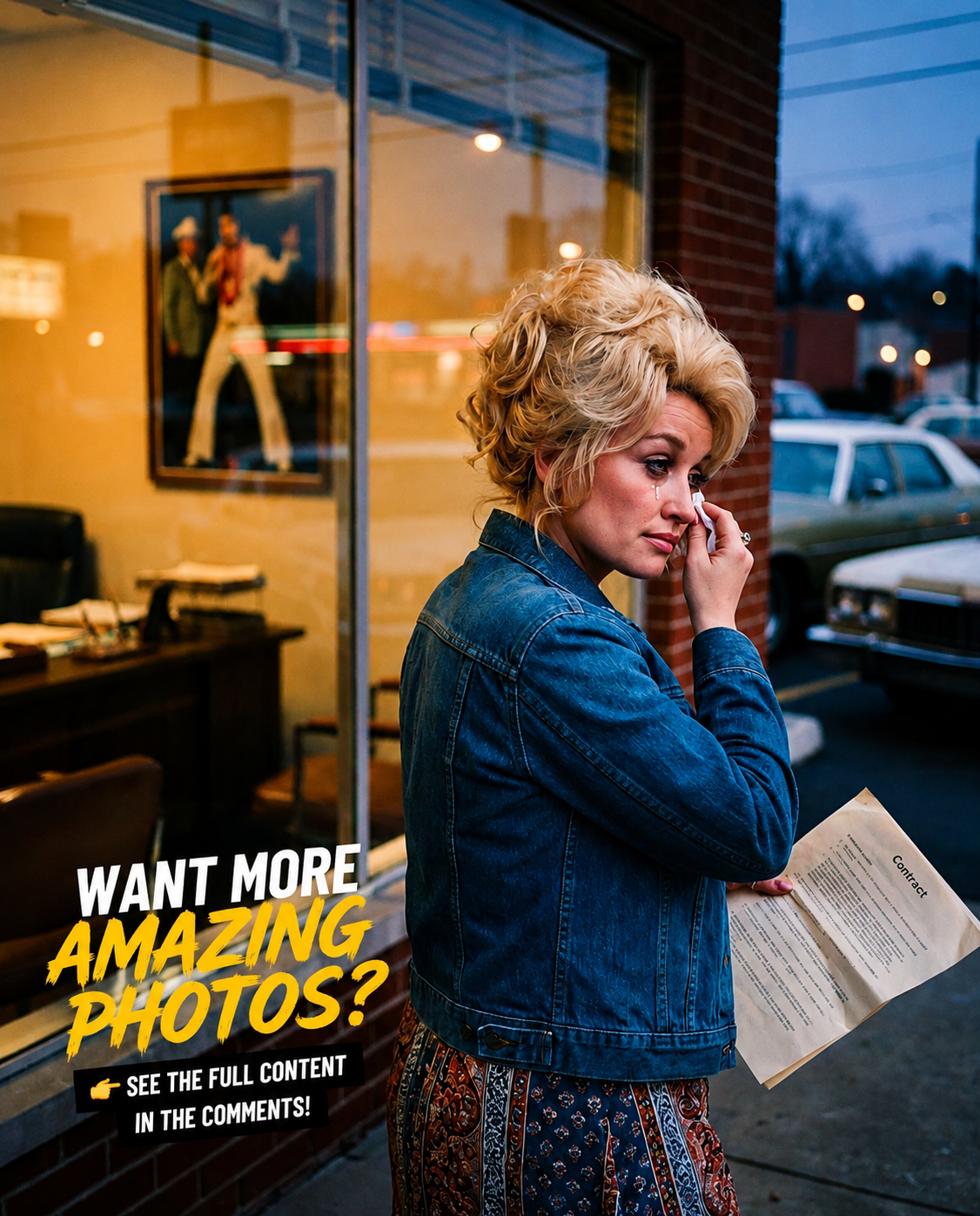
Instead, she reportedly cried after turning the offer down.
An Elvis Presley recording could have transformed the song immediately into a massive success. The financial reward and publicity would have been enormous. Walking away from that possibility meant risking both career momentum and personal regret.
Yet Dolly Parton still protected the song.
That choice revealed something essential about her character: she valued ownership of her work more than temporary validation.
Nearly Two Decades Later, Everything Changed
For years, there was no clear proof that Dolly Parton had made the right decision.
Then, in 1992, the future answered.
Whitney Houston recorded “I Will Always Love You” for The Bodyguard, and the song became a worldwide phenomenon.
Whitney Houston’s version was emotional, dramatic, and unforgettable. It dominated charts around the globe and introduced the song to millions of listeners who had never heard it before.
Because Dolly Parton had refused to give away the publishing rights years earlier, she still fully owned the song that had suddenly become one of the biggest recordings in modern music history.
The decision that once caused heartbreak ultimately became one of the most important choices of her career.
More Than a Story About Money
Although the financial success became legendary, the lasting impact of this story goes much deeper than profit.
The moment continues to resonate because it reflects the importance of trusting creative instincts, even under enormous pressure. Dolly Parton recognized the value of her own work long before the world fully understood it.
She proved that protecting something meaningful sometimes requires turning down opportunities that appear impossible to refuse.
And perhaps most importantly, she showed that saying “no” is not always the end of success. In some cases, it becomes the very reason greater opportunities arrive later.
Conclusion
The story of Dolly Parton refusing Elvis Presley remains unforgettable because it captures a universal truth about courage and conviction.
At the time, the decision looked risky. Many people likely believed she had made a mistake. But Dolly Parton trusted herself, protected her art, and stayed patient enough to let the future unfold.
Years later, the world witnessed the incredible result of that choice.
Sometimes the hardest decisions carry the greatest rewards — even when you cannot see them yet.