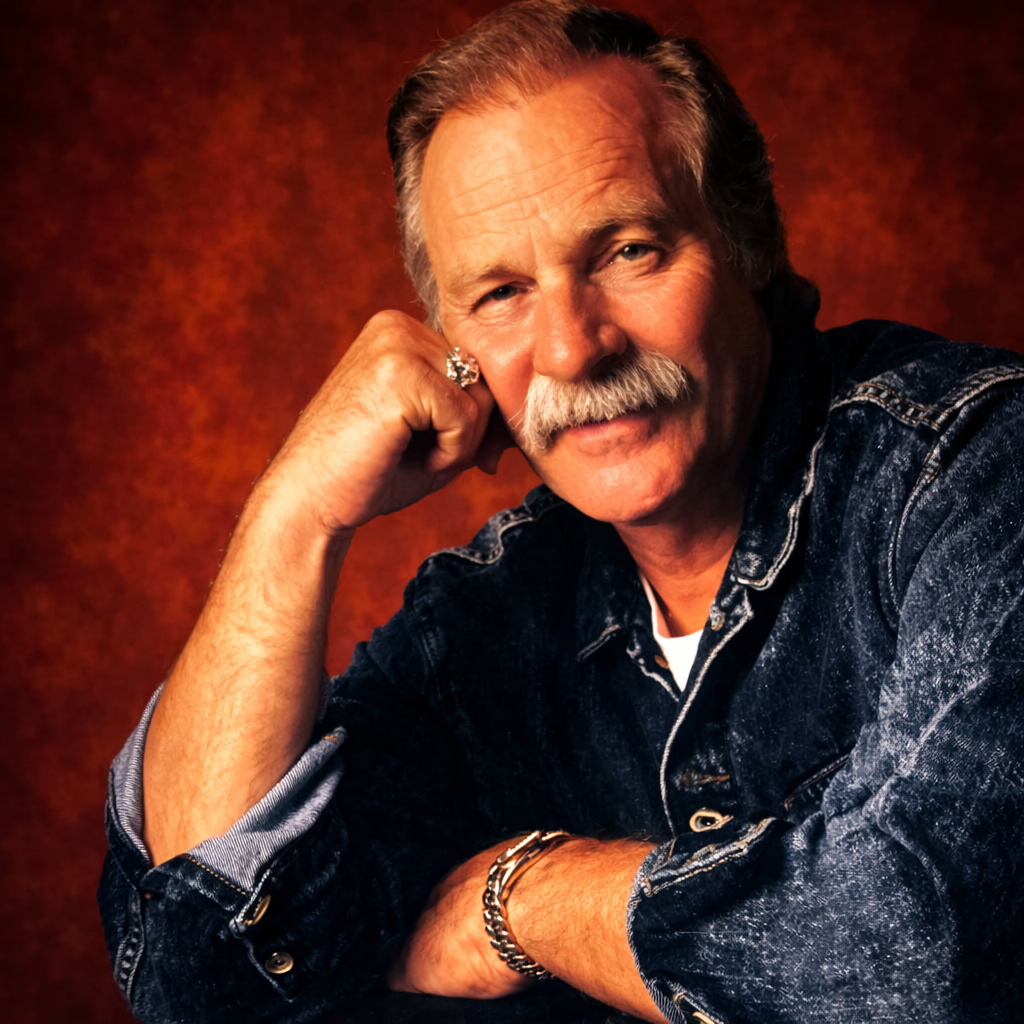
By the spring of 2009, the rooms around Vern Gosdin had quieted to a level that contrasted sharply with the life he had led. The endless noise of the road had faded. The late-night clubs, neon signs, cigarette smoke drifting above small stages, and the applause that once followed every aching lyric — all of it felt distant. Inside a Nashville home that April, there was only stillness, gentle voices, and the weight of years.
Vern Gosdin had suffered a stroke, and the man long revered as “The Voice” by country fans was visibly frail. Yet even in that fragile silence, Vern Gosdin carried the same gravitas that had always made people stop and listen. Many singers perform a song; Vern Gosdin seemed to live inside one. That subtle difference is what made listeners never forget the feeling of hearing him sing about loss, regret, or love arriving too late to save anything.
A Voice Built for Heartbreak
Long before that quiet week, Vern Gosdin had earned a rare kind of respect in country music. Not the loud, flashy kind. Not the kind that seeks attention. The deeper kind. A respect built one verse at a time, through songs that sounded like they had already weathered heartbreak long before they reached the radio.
Vern Gosdin didn’t need grand productions or complex arrangements. A handful of simple words, combined with that weathered, resonant voice, were enough. Songs like “Set ’Em Up Joe,” “Do You Believe Me Now,” and especially “Chiseled In Stone” elevated Vern Gosdin beyond hitmaker status. He became a companion for listeners enduring the darkest nights of their lives.
That is why the story from his final day lingers with fans. It feels authentic not because it’s dramatic, but because it aligns perfectly with what Vern Gosdin had always understood: a song no longer belongs to the singer once it has carried someone through their struggle.
The Song in the Quiet Room
That evening in Nashville, “Chiseled In Stone” played. It wasn’t just another record spinning in the background. It was the song — carrying heartbreak with such plain honesty that it cut deeper with each passing year. Late at night, when memories grow louder and rooms feel emptier, fans still turn to it.
Vern listened. No interruptions. No performance. No explanation about its importance to a career or legacy. For a long moment, there was only the sound of Vern Gosdin hearing his own voice return through the room — as though it no longer belonged solely to him.
Then, softly, he said words that have echoed with fans ever since:
“Those songs belong to the people now… don’t let it end with me.”
There was no claim for fame. No attempt to control how he would be remembered. Instead, there was surrender — and perhaps peace. His music had traveled beyond any one life, settling into truck radios, late-night bars, empty kitchens, and long drives home. It had become part of the private histories of those who needed it most.
Why Those Words Endure
The next day, April 28, 2009, Vern Gosdin passed away at age 73 in Nashville. Country music lost one of its most unmistakable voices. Yet what remains striking is that his final reflection was not about fame, awards, or chart positions. It was about continuity: a song can outlive the room where it was first sung, and even outlive the man who gave it life.
That enduring presence is why “Chiseled In Stone” still feels immediate, alive, and personal. Late at night, the song doesn’t feel preserved — it feels active, as if Vern is sitting across from you, quietly telling the truth once everyone else has gone home.
Perhaps that’s exactly what Vern understood in that quiet Nashville room: a great country song does not end with its singer. A great song keeps finding wounded hearts, reminding them they are not alone. And when that voice belongs to Vern Gosdin, it does something even rarer: it makes pain feel honest enough to bear.
Fans return not merely to remember Vern Gosdin, but to feel recognized by him. The songs did not end with Vern. They left the room and continue to live wherever lonely hearts need them most.