Garth Brooks Didn’t Change Country Music — He Expanded What It Could Become
Introduction
For decades, one of the most common criticisms aimed at Garth Brooks was that he made country music “too commercial.” To some traditionalists, the sold-out stadiums, explosive stage shows, and arena-sized energy felt more connected to rock concerts than the intimate image Nashville had long protected. The argument sounded simple: country music became bigger because it became less country.
But that interpretation leaves out a far more important truth.
Garth Brooks did not abandon country music’s identity. Instead, he challenged the idea that the genre needed to stay small in order to remain authentic. What he truly changed was not the soul of country music — it was the scale of its ambition.
Country Music Always Had the Power
Before Garth Brooks transformed the live concert experience, Nashville largely treated country music as a genre built for smaller venues and modest productions. Major artists performed in arenas, theaters, fairs, and venues designed to feel personal and close to the audience. That intimacy became part of country music’s identity.
But it also created limitations.
Garth Brooks recognized something many others overlooked: the emotional strength of country music was powerful enough to fill massive spaces without losing its heart. He never approached the genre as something that needed to be reinvented. He simply believed it deserved a bigger stage.
That mindset changed everything.
The Songs Never Lost Their Roots
Critics often focused on the size of the crowds and the theatrical nature of the performances, but the music itself remained deeply rooted in classic country storytelling. Songs like The Dance, Friends in Low Places, and The Thunder Rolls were built on heartbreak, memory, honesty, and emotional connection — the same elements that had always defined great country music.
What changed was the presentation.
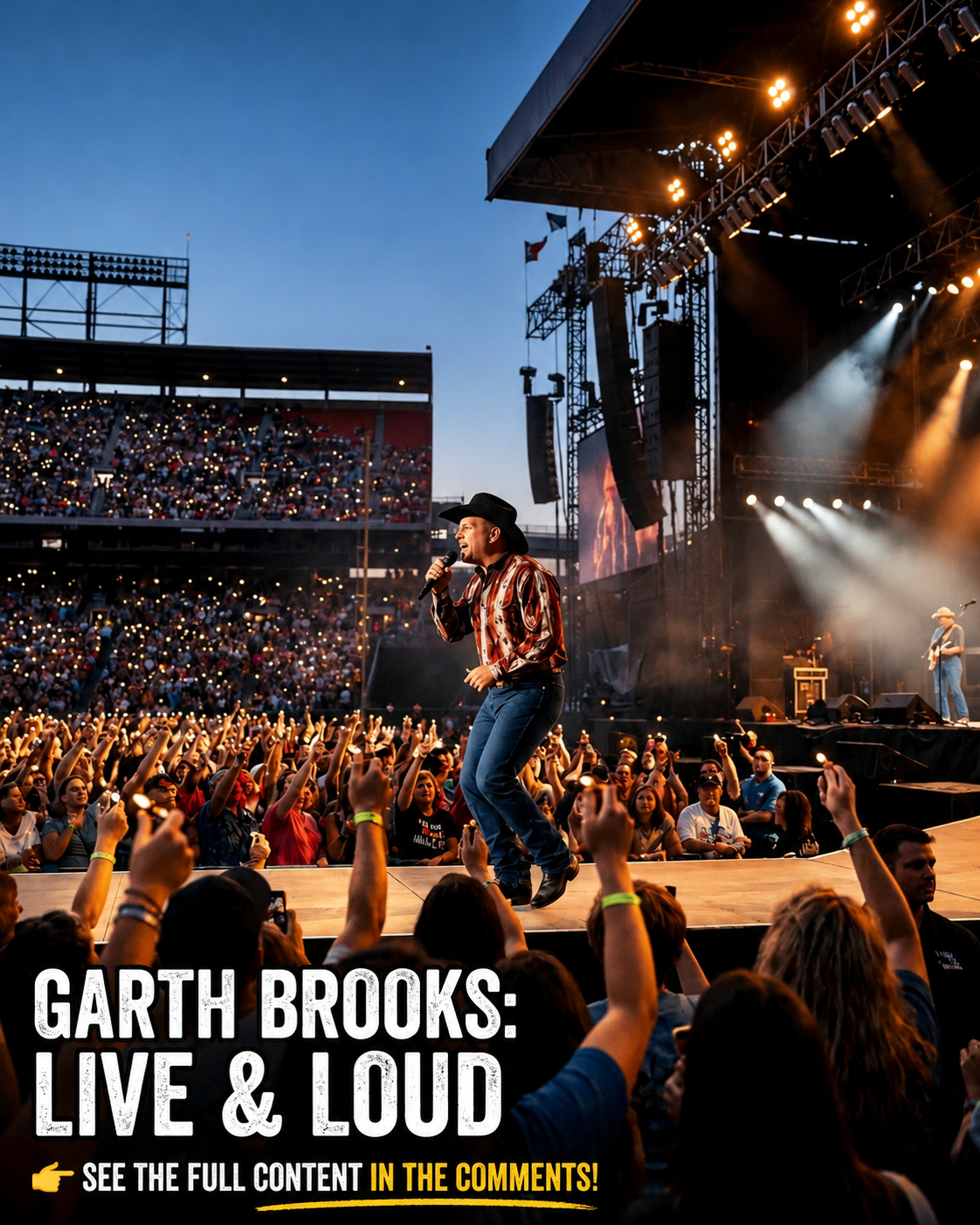
Garth Brooks delivered country songs with an energy and spectacle typically reserved for rock and pop superstars. Giant stages, dramatic lighting, and larger-than-life performances became part of the experience. Yet the emotional core of the music never disappeared.
He did not dilute country music. He amplified it.
Why Traditionalists Pushed Back
The backlash against Garth Brooks was never only about sound. It was also about fear — fear that massive popularity meant the genre was losing its identity.
Once his concerts began drawing enormous audiences, some people assumed success itself was evidence of compromise. If country music reached millions outside its traditional audience, critics believed something essential must have been sacrificed along the way.
But perhaps the uncomfortable reality was simpler.
Garth Brooks proved country music was capable of commanding the same level of excitement, production, and cultural influence as any other genre. That realization challenged long-held assumptions within the industry.
For years, country fans had been conditioned to accept smaller productions as a sign of authenticity. Garth Brooks questioned that idea without ever directly arguing against it. He simply walked onto enormous stages and treated country music like it belonged there.
And audiences responded immediately.
How Garth Brooks Changed the Industry
What Garth Brooks ultimately transformed was not only touring — he transformed the industry’s imagination.
He showed Nashville that country music could remain emotionally grounded while expanding to stadium-sized proportions. Today, large-scale country tours feel normal, but that was not always the case. Many modern country artists now perform in giant venues with elaborate productions because Garth Brooks helped prove it could work.
Over time, the industry adapted. Bigger concerts became standard. Larger productions became expected. Stadium tours stopped being viewed as betrayal and started being viewed as smart business.
The genre itself did not become weaker. It became more confident.
Country Music Was Never Meant to Stay Small
The old accusation that Garth Brooks “sold out” no longer holds much weight because history tells a different story. He did not shrink country music to appeal to larger audiences. He expanded the environment around it so the music could finally reach its full potential.
The songs were never too small.
The audiences were never too small.
What had been limited was the industry’s willingness to dream bigger.
Conclusion
Garth Brooks did not erase country music traditions. He proved those traditions were strong enough to survive inside stadiums, massive productions, and worldwide popularity. His success forced Nashville to reconsider what country music could look like on the biggest stages in the world.
The real debate was never about whether Garth Brooks changed country music too much.
The real question was why so many people once believed country music was never supposed to become that big in the first place.