Introduction
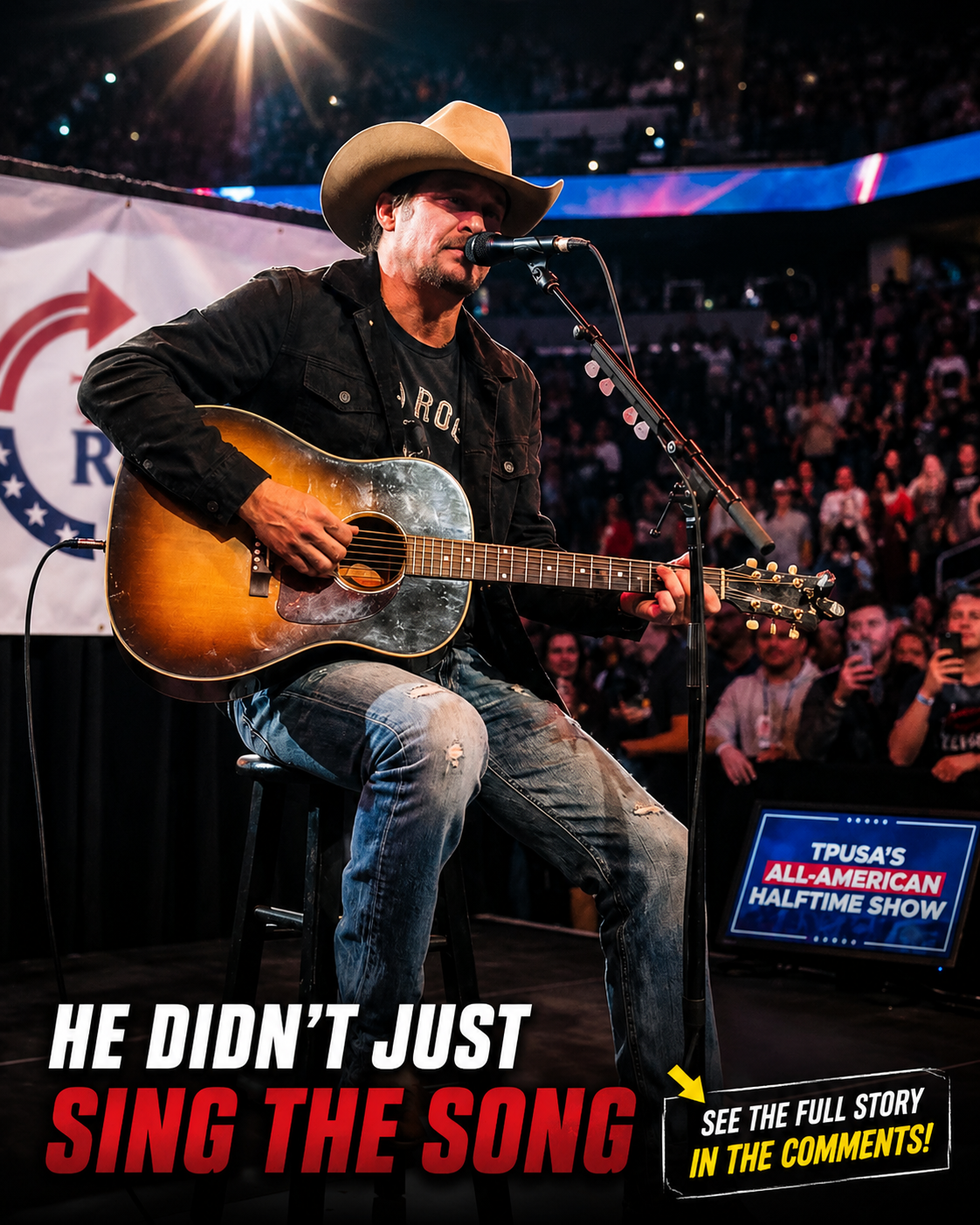
During a live performance that many expected to be just another patriotic concert moment, Kid Rock delivered something far more controversial. Taking the stage at TPUSA’s “All-American Halftime Show,” he performed Cody Johnson’s beloved hit “’Til You Can’t” — but what began as a familiar country anthem soon transformed into a performance that sparked intense debate across social media.
By the end of the night, audiences weren’t just discussing the song. They were questioning the purpose of cover songs, artistic freedom, and the line between tribute and transformation.
A Familiar Song Takes an Unexpected Turn
Cody Johnson’s “’Til You Can’t” has earned praise for its heartfelt reminder that life is short and opportunities should never be postponed. The song encourages listeners to cherish loved ones, take risks, and make the most of every moment before it’s too late.
When Kid Rock began singing the track, everything appeared straightforward. The crowd recognized the melody, and the performance initially honored the spirit that made the song a modern country favorite.
For a brief moment, it felt like a standard cover of a well-loved hit.
The Verse That Changed Everything
A New Message Emerges
Midway through the performance, the atmosphere shifted dramatically.
Rather than following the original lyrics to the end, Kid Rock introduced an additional verse that had never been part of Cody Johnson’s recording. The new lyrics focused heavily on faith, redemption, and Christian beliefs, steering the song toward themes of salvation and spiritual commitment.
The unexpected addition immediately altered how many people interpreted the song.
Some audience members viewed the change as a sincere personal expression. Others felt it fundamentally changed the purpose of the original composition.
More Than a Simple Cover
What made the moment so striking was the scale of the change.
The original version of “’Til You Can’t” speaks broadly about living life with urgency and gratitude. Kid Rock’s added lyrics narrowed that message into a more specific spiritual perspective, giving the song an entirely different emotional destination.
For many listeners, the performance no longer felt like a cover. It felt like a reinterpretation.
Why the Performance Generated So Much Attention
The Importance of the Setting
The venue itself played a major role in the reaction.
TPUSA’s “All-American Halftime Show” was designed as an alternative cultural event during one of the biggest nights in American sports. Because of that context, every artistic choice carried additional significance.
A song that originally avoided political or religious divisions suddenly became connected to larger conversations about culture, belief, and identity.
Social Media Reacts Instantly
Within hours, video clips spread across multiple platforms.
Supporters praised Kid Rock for publicly sharing his faith and using a high-profile stage to communicate a personal message. Critics argued that the revised lyrics shifted the song away from its original intent and transformed someone else’s work into a platform for a different agenda.
Many listeners found themselves somewhere in between, surprised by how quickly a familiar country anthem became a subject of controversy.
The Role of Cody Johnson in the Discussion
Although Cody Johnson was not involved in the performance, his name became central to the debate.
The original song is closely tied to Johnson’s reputation for authenticity and emotional storytelling. Because “’Til You Can’t” already carries deep meaning for many country music fans, any significant alteration was bound to attract attention.
Reports that Kid Rock planned to release a studio version of his revised interpretation only intensified discussions. A live performance may be remembered as a single moment, but an official recording can extend the conversation for years.
What the Debate Is Really About
At its core, the controversy goes beyond politics, religion, or celebrity personalities.
Both versions of the song revolve around the same idea: life is limited, and time should not be wasted. The difference lies in how that urgency is expressed.
Cody Johnson’s version encourages people to act before opportunities disappear. Kid Rock’s adaptation directs that same urgency toward questions of faith and eternity.
That distinction may seem small on paper, but for many listeners it changed the entire meaning of the song.
Conclusion
Kid Rock’s performance of “’Til You Can’t” became much more than a cover song. By introducing new lyrics and a new perspective, he transformed a familiar country anthem into one of the most talked-about musical moments of the event.
Whether viewed as a bold artistic statement or an unnecessary rewrite, the performance succeeded in one undeniable way: it got people talking. Long after the stage lights faded, the debate continued, proving that sometimes a single verse can completely reshape how a song is heard.