Intro
Some artists leave behind hit records. Others leave behind memories. Conway Twitty managed to leave both. For decades, his unmistakable voice became part of the soundtrack of everyday life for millions of country music fans. Whether singing about love, heartbreak, family, or devotion, he had a rare ability to make every listener feel personally connected to the story.
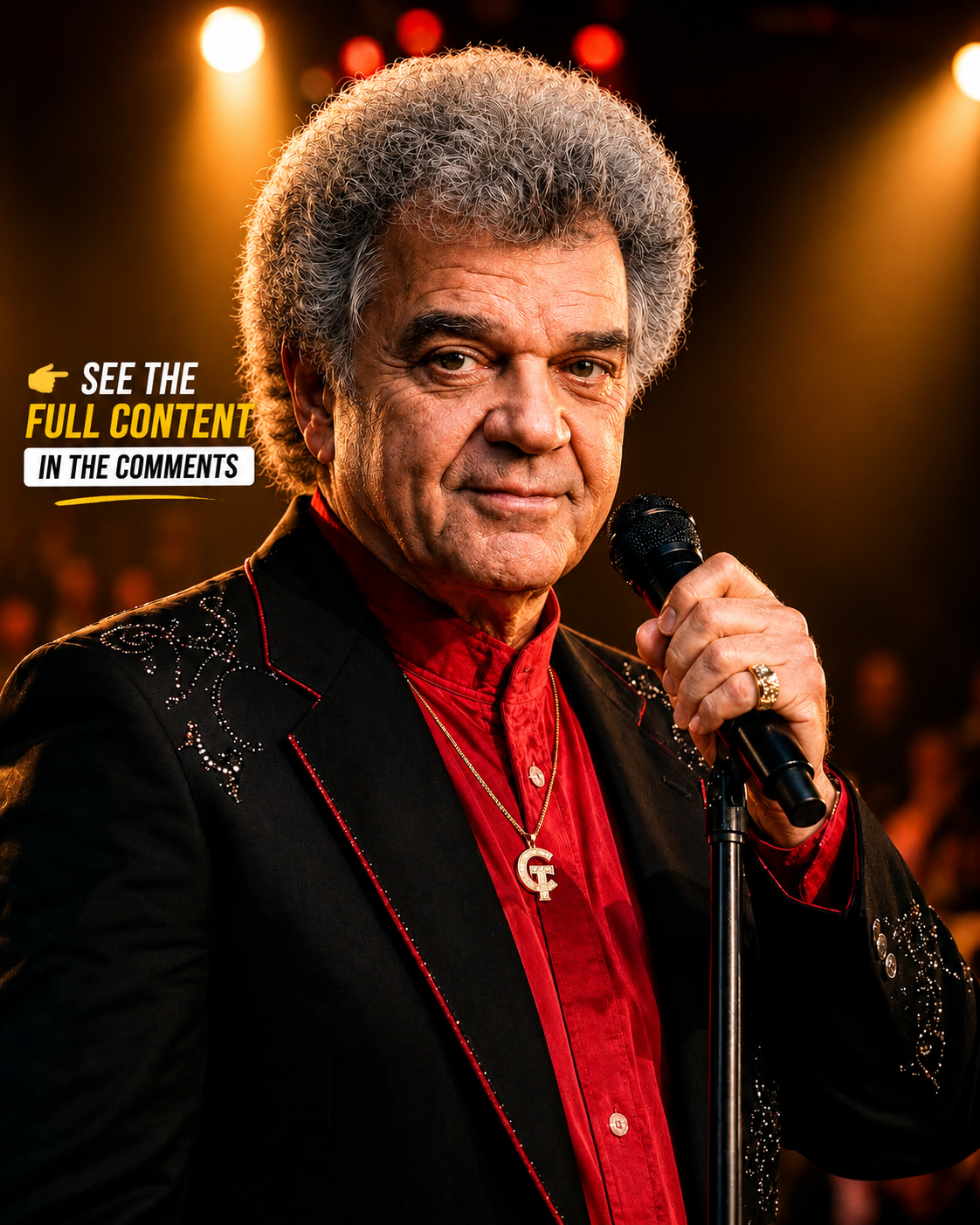
When Conway Twitty stepped onto the stage in Branson, Missouri, on June 4, 1993, no one knew they were witnessing the final performance of one of country music’s most enduring legends. Yet even after his sudden passing, the music never stopped. His songs continue to echo through radios, playlists, and memories, proving that true artistry never really fades away.
H2: The Journey of a Mississippi Dreamer
Before the world knew him as Conway Twitty, he was Harold Lloyd Jenkins, a young man growing up in Mississippi with ambitions that stretched far beyond his hometown. His musical path did not begin in country music. Like many performers of his generation, he first found success in rock and roll before eventually discovering where his voice truly belonged.
Country music provided the perfect home for his smooth delivery and emotional storytelling. Unlike singers who relied on flashy performances, Twitty built his reputation through sincerity. Every lyric felt genuine, every song sounded personal, and audiences responded with unwavering loyalty.
H3: A Career Defined by Connection
Success followed him throughout the years. Dozens of chart-topping songs, millions of records sold, and countless sold-out performances cemented his place among country music’s greatest artists.
Yet statistics alone cannot explain his impact. Fans connected with Conway Twitty because he sang about real experiences. His music captured the emotions people struggled to put into words themselves. Whether celebrating love or coping with loss, listeners often found their own stories reflected in his songs.
H2: A Final Performance That Became History
On the evening of June 4, 1993, Conway Twitty performed at the Jim Stafford Theatre in Branson. To those in attendance, it seemed like another successful night from a veteran entertainer who had spent decades perfecting his craft.
After the show, however, tragedy struck. While traveling on his tour bus, Twitty became seriously ill. He was rushed to a hospital in Springfield, Missouri, but passed away the following day from an abdominal aortic aneurysm. He was only 59 years old.
The news shocked fans across the country. Few expected that a performer still actively touring and filling theaters would be gone so suddenly.
H3: The Meaning Behind the Last Song
One of the most remembered details from that final evening is the song believed to have closed the show: “That’s My Job.”
Rather than ending with a grand anthem or energetic crowd-pleaser, Twitty finished with a heartfelt ballad centered on family, responsibility, and unconditional love. The song’s message resonated deeply after his passing because it reflected many of the qualities fans associated with him throughout his career.
It spoke of loyalty, devotion, and quietly showing up for the people who matter most—values that seemed to define Conway Twitty both on and off the stage.
H2: More Than Fame and Success
Throughout his career, Conway Twitty never relied on controversy or spectacle to remain relevant. His legacy was built on consistency and dedication.
Night after night, year after year, he traveled the country performing for audiences who never seemed to tire of hearing his voice. He treated every concert as an opportunity to connect with fans, and that commitment helped create one of the strongest relationships between an artist and audience in country music history.
His famous entertainment complex, Twitty City, became a gathering place for admirers who wanted to celebrate not only the music but also the man behind it.
H2: Why Conway Twitty’s Music Still Matters
Years after his passing, Conway Twitty’s songs continue to find new listeners. Classics such as “Hello Darlin’” remain beloved because they capture timeless emotions that never go out of style.
A great song has the power to survive long after its creator is gone. Twitty understood how to tell stories that felt universal, which is why his music still resonates decades later. New generations continue to discover the warmth, honesty, and emotion that made him such a remarkable performer.
Every time one of his records plays, it serves as a reminder that genuine artistry can transcend time.
Conclusion
Conway Twitty’s final curtain came unexpectedly, but his story did not end in June 1993. The voice that once filled concert halls still fills living rooms, car radios, and hearts across the world. His songs continue to comfort, inspire, and connect people just as they did during his lifetime.
Legends are not remembered solely because of awards or record sales. They are remembered because their work becomes part of people’s lives. Conway Twitty achieved exactly that. And as long as someone presses play on “Hello Darlin’” or quietly hums its familiar melody, his voice remains very much alive.