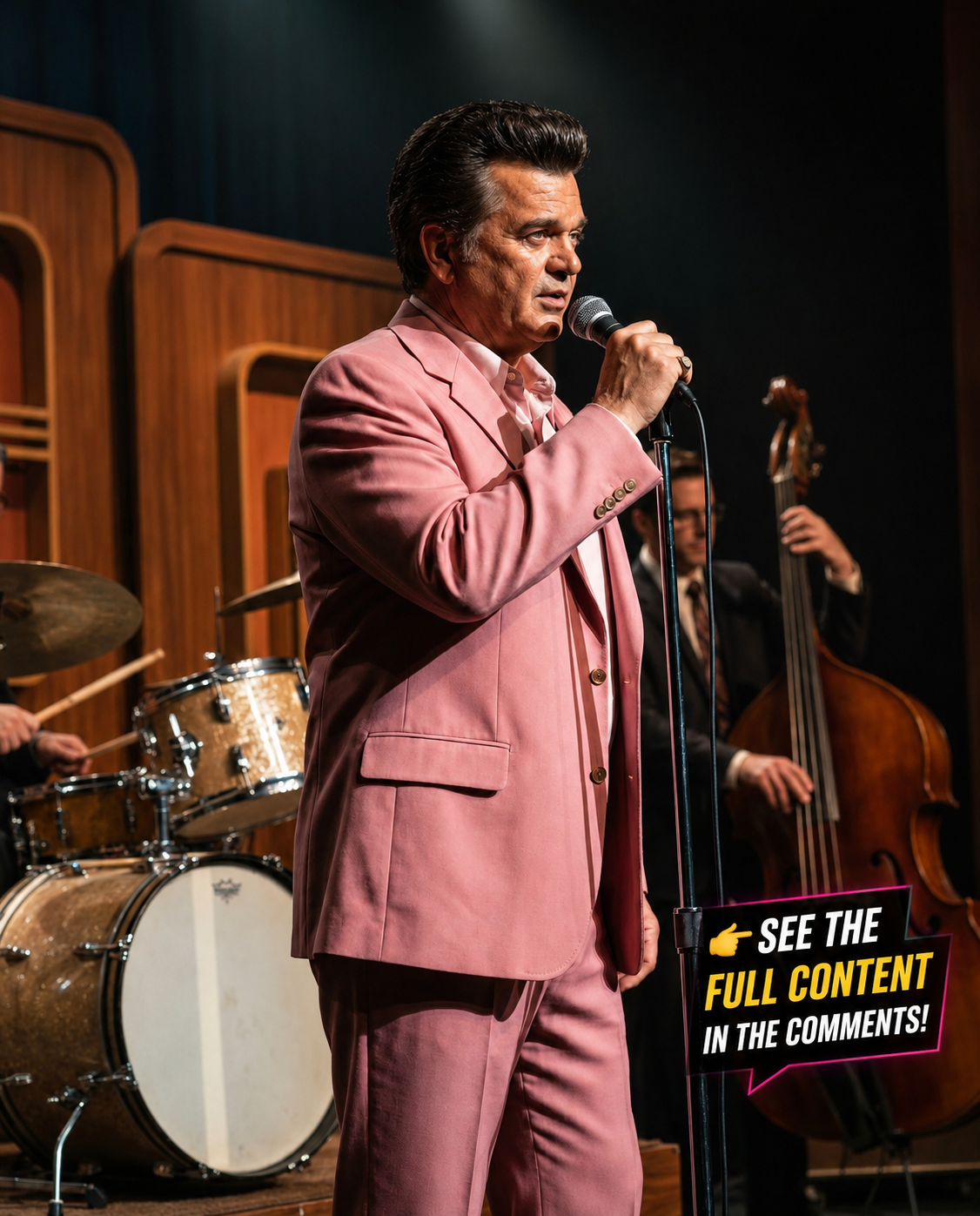
The Conway Twitty Record That Challenged Country Radio and Refused to Disappear
Introduction
By the early 1970s, Conway Twitty had already established himself as one of country music’s most powerful voices. His songs were emotional, sincere, and deeply personal. Audiences trusted him because he sang with conviction, turning ordinary lyrics into unforgettable moments.
Yet in 1973, one of his biggest hits sparked an unexpected backlash. While fans embraced the song and pushed it to the top of the charts, some radio stations decided it had gone too far. The record was “You’ve Never Been This Far Before,” and its story remains one of the most fascinating controversies in country music history.
A Chart-Topping Hit That Divided Opinions
When “You’ve Never Been This Far Before” arrived on the airwaves, listeners immediately connected with it. The single quickly climbed to the number-one position on the country charts and remained there for weeks. It also found success beyond country audiences, reaching the pop charts and expanding Twitty’s appeal.
However, not everyone welcomed the song’s success. Several radio programmers felt the lyrics were too intimate for regular daytime broadcasting. Some stations reduced its airplay, while others removed it entirely from their playlists.
Ironically, the criticism only increased public interest. The more people talked about the song, the more listeners wanted to hear it.
Why the Lyrics Sparked Controversy
A Different Kind of Country Love Song
Country music has never avoided emotional subjects. Songs about heartbreak, drinking, betrayal, and loneliness have long been part of the genre’s foundation. Yet Twitty’s hit explored romantic intimacy in a way that felt unusually direct for its time.
Rather than relying on clever metaphors or vague storytelling, the song placed listeners inside a deeply personal moment. Its honesty made some audiences uncomfortable, even though there was nothing vulgar or explicit about the lyrics.
The Power of Conway Twitty’s Delivery
Much of the song’s impact came from Twitty himself. He didn’t perform the lyrics with humor or distance. Instead, he delivered every line with complete sincerity.
His smooth voice, careful phrasing, and patient pacing gave the song an emotional intensity that few artists could match. What might have sounded ordinary in another singer’s hands became unforgettable when performed by Conway Twitty.
The Artist Who Refused to Compromise
Standing Behind His Music
As criticism grew, Twitty never attempted to soften the song’s message. He did not release an edited version or change the lyrics to satisfy critics. Instead, he continued performing it exactly as it had been written.
That decision reflected his confidence as an artist. Twitty believed that audiences could understand the emotion behind the music without needing it explained or altered.
Trusting the Fans
Throughout his career, Conway Twitty built a strong connection with listeners because he respected them. He trusted fans to interpret his songs for themselves. In the case of “You’ve Never Been This Far Before,” that trust proved justified.
The song remained one of the defining records of his career, not because of the controversy, but because listeners genuinely loved it.
When the Music Lasts Longer Than the Debate
As years passed, the arguments surrounding the song gradually disappeared. What remained was the record itself.
By the time Conway Twitty passed away in 1993, “You’ve Never Been This Far Before” had become recognized as one of the standout performances in his catalog. The controversy that once dominated conversations faded into history, while the music continued to find new audiences.
Today, many listeners hear the song not as something shocking, but as an example of Twitty’s ability to capture adult emotions with honesty and elegance.
Conclusion
“You’ve Never Been This Far Before” proved that Conway Twitty was willing to take artistic risks when he believed in a song. While some radio stations tried to limit its reach, audiences embraced it and turned it into a lasting hit.
More than fifty years later, the controversy has largely been forgotten, but the music remains. The song stands as a reminder of Conway Twitty’s unique gift: the ability to make every lyric feel personal, every emotion feel real, and every performance impossible to ignore.