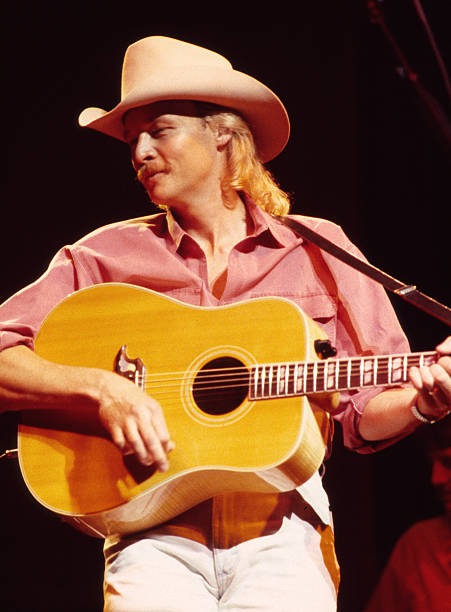
Alan Jackson: Comparing Early vs Late Songs – A Study in Consistency and Growth
Introduction
Few country artists have managed to sustain both artistic integrity and long-term commercial success quite like Alan Jackson. Over a career spanning more than three decades, Jackson has built a catalog that reflects not only the evolution of country music but also his own personal and creative growth.
This article explores Alan Jackson comparing early vs late songs, highlighting how his songwriting, themes, and musical style have changed over time. By examining key differences and continuities between his early work in the 1990s and his later releases, we gain a clearer understanding of his enduring appeal and lasting influence on the genre.
A Brief Overview of Alan Jackson’s Career
Alan Jackson emerged in the late 1980s as part of the “neo-traditionalist” movement in country music. Alongside artists like George Strait and Randy Travis, he helped bring classic country sounds back into the mainstream at a time when pop influences were becoming more dominant.
His debut album Here in the Real World (1990) established him as a major voice in country music. Over the years, Jackson has released numerous chart-topping albums, sold over 75 million records worldwide, and earned multiple Grammy Awards and CMA Awards. He was inducted into the Country Music Hall of Fame in 2017, solidifying his place as one of the genre’s most important figures.
Early Songs: Straightforward Storytelling and Traditional Roots
Themes and Subject Matter
Alan Jackson’s early songs are defined by their simplicity and relatability. Much of his early work focuses on everyday life—love, heartbreak, small-town experiences, and working-class identity.
Songs like “Here in the Real World” and “Chattahoochee” reflect a clear, direct approach to storytelling. The lyrics are easy to follow, grounded in real-life situations, and often carry a sense of nostalgia or youthful energy.
Musical Style
Musically, Jackson’s early work is firmly rooted in traditional country. His songs feature classic instrumentation such as steel guitar, fiddle, and acoustic rhythms. The production is clean but not overly polished, allowing the storytelling to remain the focal point.
This adherence to traditional sounds helped distinguish him from more pop-oriented country artists of the time.
Tone and Perspective
The tone of Jackson’s early songs is often upbeat or reflective, but generally outward-looking. Many tracks capture moments in time—summer memories, romantic relationships, or life lessons—without diving too deeply into introspection.
This approach made his music highly accessible, contributing to his rapid rise on the charts, as documented by Billboard during the 1990s.
Later Songs: Reflection, Maturity, and Personal Depth
Evolving Themes
As Alan Jackson’s career progressed, his songwriting began to reflect a broader emotional range. Later songs often deal with themes such as aging, family, faith, and loss.
Tracks like “Remember When” illustrate this shift clearly. Rather than focusing on a single moment, the song traces an entire lifetime of experiences, offering a more reflective and mature perspective.
Similarly, his gospel-focused projects, including Precious Memories, highlight a turn toward spiritual themes that were less prominent in his early work.
Changes in Musical Approach
While Jackson has remained committed to traditional country sounds, his later music often features more restrained arrangements. The instrumentation is still rooted in classic country, but the pacing and tone are more subdued, allowing the emotional weight of the lyrics to take center stage.
This subtle shift reflects a move away from radio-friendly energy toward more contemplative listening experiences.
A More Personal Voice
One of the most notable differences in Alan Jackson’s later songs is the increased sense of personal storytelling. His lyrics feel more autobiographical, drawing from his own life experiences rather than general narratives.
For example, “Drive (For Daddy Gene)” pays tribute to his father, blending personal memory with universal themes of family and legacy. This level of intimacy was less common in his earlier catalog.
Key Differences: Early vs Late Songs
1. Subject Matter
- Early Songs: Focus on universal, everyday experiences (love, youth, small-town life)
- Late Songs: Explore deeper themes such as mortality, legacy, and personal reflection
2. Songwriting Style
- Early Songs: Direct, straightforward storytelling with simple structures
- Late Songs: More layered narratives with emotional nuance and broader scope
3. Musical Tone
- Early Songs: Upbeat, energetic, and radio-friendly
- Late Songs: Slower, more contemplative, and emotionally driven
4. Perspective
- Early Songs: Outward-looking, observational
- Late Songs: Inward-looking, introspective
What Has Stayed the Same
Despite these changes, several key elements of Alan Jackson’s music have remained consistent throughout his career.
Commitment to Traditional Country
Jackson has never strayed far from his roots. Even as country music has evolved, his sound continues to reflect classic influences. This consistency has been widely noted by publications like Rolling Stone, which have praised his dedication to preserving traditional country elements.
Clarity in Songwriting
Whether early or late in his career, Jackson’s lyrics are always clear and easy to understand. He avoids overly complex metaphors or abstract language, focusing instead on honest, direct communication.
Authenticity
Perhaps the most important constant is authenticity. Jackson’s music feels genuine because it reflects his own values and experiences. This authenticity has played a major role in his long-term success and credibility within the industry.
Influence and Legacy
Alan Jackson’s ability to evolve without losing his identity has had a lasting impact on country music. Younger artists often look to his career as an example of how to balance tradition with personal growth.
According to the Recording Industry Association of America (RIAA), his consistent commercial success underscores his broad appeal, while his induction into the Country Music Hall of Fame highlights his cultural significance.
His catalog serves as a bridge between generations of country music fans, connecting the genre’s past with its present.
Conclusion
Examining Alan Jackson comparing early vs late songs reveals a career defined by both change and consistency. While his themes have grown more reflective and his tone more subdued, the core elements of his music—honesty, clarity, and respect for tradition—remain unchanged.
This balance is what sets Alan Jackson apart. He has adapted to the passage of time without chasing trends, allowing his music to mature naturally alongside his life experiences.
For listeners, this evolution offers a rich and rewarding journey—from the energetic storytelling of his early years to the thoughtful reflections of his later work. It’s a testament to the enduring power of authentic songwriting in country music.
SEO Title
Alan Jackson Early vs Late Songs: How His Music Evolved Over Time
Meta Description
Discover the key differences between Alan Jackson’s early and late songs, from traditional country roots to deeper, more reflective songwriting.
Slug URL
alan-jackson-early-vs-late-songs
Alternative Subheadings
- How Alan Jackson’s Music Changed from the 1990s to Today
- Early vs Late Alan Jackson Songs: Style, Themes, and Evolution
- The Growth of Alan Jackson’s Songwriting Across Decades
Sources
- Billboard
- Rolling Stone
- Recording Industry Association of America (RIAA)
- Country Music Hall of Fame and Museum
- Official Alan Jackson Website