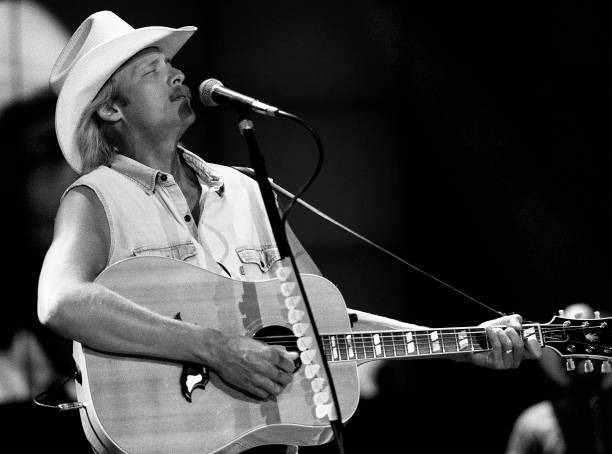
How to Appreciate Traditional Country Music: A Guide Inspired by Alan Jackson
Introduction
Traditional country music has a timeless quality that continues to resonate with listeners across generations. Rooted in storytelling, simple instrumentation, and emotional honesty, this genre reflects everyday life in a way few others can. For new listeners, however, understanding and appreciating traditional country can take a bit of context.
Artists like Alan Jackson have played a crucial role in preserving and popularizing this classic sound, even as mainstream country music has evolved. This guide will help you understand what makes traditional country unique—and how to truly appreciate it.
What Is Traditional Country Music?
Traditional country music refers to the classic style that developed primarily between the 1940s and 1980s. It draws heavily from folk, gospel, and blues traditions, emphasizing authenticity over production.
Key Characteristics
- Storytelling lyrics: Songs often explore themes like love, heartbreak, family, faith, and working-class life.
- Acoustic instrumentation: Common instruments include guitar, fiddle, steel guitar, and banjo.
- Simple production: Unlike modern country-pop, traditional country avoids heavy digital effects.
- Distinct vocal style: Artists often use a natural, expressive delivery rather than polished studio vocals.
Organizations like the Country Music Hall of Fame highlight how these elements shaped the foundation of country music.
Why Alan Jackson Matters
Brief Biography
Alan Jackson was born in 1958 in Newnan, Georgia. He rose to fame in the late 1980s and became one of the leading figures of the “neo-traditionalist” movement in country music.
Career Highlights
- Over 75 million records sold worldwide
- Multiple Grammy Awards and CMA Awards
- Inducted into the Country Music Hall of Fame
- Numerous No. 1 hits on Billboard’s country charts
According to Billboard, Jackson has consistently ranked among the most successful country artists of his era.
Musical Style
Jackson’s music blends honky-tonk rhythms, traditional instrumentation, and deeply personal lyrics. Songs like “Chattahoochee” and “Where Were You (When the World Stopped Turning)” showcase both lighthearted storytelling and reflective depth.
How to Listen to Traditional Country Music
Appreciating traditional country starts with active listening. Here’s how to approach it:
Focus on the Lyrics
Traditional country is built on storytelling. Pay attention to:
- Narrative structure (beginning, middle, end)
- Emotional themes
- Real-life experiences reflected in the song
Unlike many modern genres, the lyrics often carry the main message.
Notice the Instruments
Listen for classic elements like:
- Steel guitar slides
- Fiddle melodies
- Acoustic rhythm guitar
These sounds create the genre’s signature warmth and authenticity.
Appreciate Simplicity
Traditional country doesn’t rely on complex production. Instead, it emphasizes:
- Clear vocals
- Minimal layering
- Organic sound
This simplicity allows the message of the song to stand out.
Explore Influential Artists and Songs
To deepen your appreciation, explore a range of artists who define the genre.
Essential Artists
- Alan Jackson
- George Jones
- Merle Haggard
- Patsy Cline
Suggested Listening Approach
Start with well-known tracks, then explore deeper cuts. Many curated lists from outlets like Rolling Stone can guide you toward essential recordings.
Understanding the Cultural Context
Traditional country music reflects specific cultural and historical influences.
Themes of Everyday Life
Songs often address:
- Rural living
- Family relationships
- Economic struggles
- Faith and resilience
These themes resonate because they are grounded in real experiences.
Regional Roots
The genre developed primarily in the American South and Midwest. Its sound is shaped by local traditions, including Appalachian folk music and Western swing.
Evolution Over Time
While modern country has incorporated pop and rock elements, traditional country remains influential. Artists like Alan Jackson have helped maintain its relevance.
Why Traditional Country Still Matters Today
Authenticity in a Digital Age
In an era of highly produced music, traditional country offers:
- Honest storytelling
- Organic sound
- Emotional connection
Influence on Modern Artists
Many contemporary musicians draw inspiration from traditional country, even if their sound is more modern.
Lasting Legacy
Institutions like the RIAA recognize the commercial and cultural impact of classic country recordings.
Tips for New Listeners
- Start with familiar names like Alan Jackson
- Listen to full albums, not just singles
- Read about the songs to understand their background
- Compare eras to see how the genre evolved
- Be patient—appreciation grows over time
Conclusion
Traditional country music is more than just a genre—it’s a reflection of real life, told through simple yet powerful songs. By focusing on storytelling, instrumentation, and cultural context, listeners can gain a deeper appreciation for its enduring appeal.
Artists like Alan Jackson demonstrate that traditional country remains relevant, offering authenticity in a rapidly changing musical landscape. Whether you’re new to the genre or revisiting it, taking the time to understand its roots can transform the way you listen.
SEO Title
How to Appreciate Traditional Country Music: A Beginner’s Guide with Alan Jackson
Meta Description
Learn how to appreciate traditional country music through storytelling, classic sounds, and the legacy of Alan Jackson. A practical guide for new listeners.
URL Slug
how-to-appreciate-traditional-country-music
Alternative Subheadings
- Understanding the Roots of Traditional Country Music
- Why Alan Jackson Defines Classic Country Sound
- A Beginner’s Guide to Listening to Traditional Country
Sources
- Billboard
- Rolling Stone
- Country Music Hall of Fame
- RIAA
- Official artist websites (Alan Jackson)