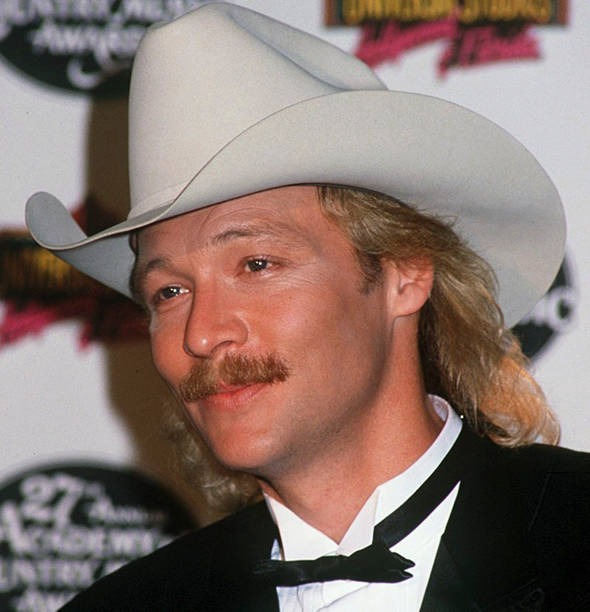
Old vs New Country Music: What Alan Jackson’s Career Reveals About the Genre’s Evolution
Introduction
The debate between old vs new country music has been ongoing for decades, reflecting broader shifts in culture, technology, and audience preferences. At the center of this conversation is Alan Jackson—an artist whose career offers a clear lens through which to understand how country music has evolved.
Known for his commitment to traditional sounds, Jackson emerged during a time when country music was beginning to embrace more commercial and crossover influences. By examining his work and influence, listeners can better understand the differences between classic country traditions and modern country trends.
This article explores the key distinctions between old and new country music, using Alan Jackson’s career as a practical and credible reference point.
Who Is Alan Jackson? A Brief Overview
Alan Jackson, born in 1958 in Georgia, is widely recognized as one of the most influential figures in modern country music. Rising to fame in the late 1980s, he became a leading voice of the neotraditional country movement—a style that aimed to preserve the genre’s roots during a period of change.
His career highlights include:
- Over 50 Top 10 hits on Billboard’s Hot Country Songs chart
- More than 75 million records sold worldwide (RIAA-certified)
- Induction into the Country Music Hall of Fame in 2017
According to Billboard and the Country Music Hall of Fame, Jackson’s work has played a significant role in maintaining the authenticity of country music while still achieving commercial success.
What Defines “Old” Country Music?
Traditional Sound and Instrumentation
Old country music—often associated with artists from the 1950s through the early 1990s—relies heavily on traditional instruments such as:
- Acoustic guitar
- Steel guitar
- Fiddle
The production tends to be straightforward, focusing on musicianship rather than studio effects.
Storytelling as the Core
Classic country songs emphasize narrative. Artists like George Jones, Merle Haggard, and later Alan Jackson built careers on songs that tell clear, relatable stories about everyday life.
Tracks such as “Here in the Real World” reflect this tradition, offering grounded lyrics and emotional honesty.
Themes Rooted in Real Life
Common themes include:
- Love and heartbreak
- Family and personal struggles
- Rural and working-class experiences
These themes are presented without heavy abstraction, making the music accessible and emotionally direct.
What Defines “New” Country Music?
Modern Production and Pop Influence
New country music, especially from the 2000s onward, often incorporates elements from pop, rock, and even hip-hop. Production techniques include:
- Layered instrumentation
- Digital effects
- Polished, radio-friendly sound
This shift has broadened the genre’s appeal but also changed its sonic identity.
Broader Themes and Commercial Appeal
Modern country often focuses on lifestyle-oriented themes such as:
- Party culture
- Romance in a contemporary setting
- Aspirational or upbeat narratives
While still relatable, these themes tend to be less rooted in traditional rural storytelling.
Crossover Success
Many new country artists achieve success across multiple genres, appearing on mainstream charts beyond country-specific rankings. Publications like Rolling Stone have noted this crossover trend as a defining feature of the modern era.
Alan Jackson as a Bridge Between Old and New
Staying True to Tradition
Throughout his career, Alan Jackson has consistently prioritized traditional country elements. Songs like “Don’t Rock the Jukebox” and “Chattahoochee” demonstrate his ability to remain authentic while still achieving commercial success.
His approach aligns closely with the principles of old country music, particularly in terms of instrumentation and storytelling.
Adapting Without Losing Identity
While Jackson has remained rooted in tradition, he has also adapted to changing industry standards. For example, his collaboration on “It’s Five O’Clock Somewhere” introduced a more relaxed, crossover-friendly style without abandoning his core sound.
This balance has allowed him to remain relevant across multiple decades.
Key Differences: Old vs New Country Music
1. Sound and Production
- Old Country: Minimalist production, organic instruments
- New Country: Highly produced, influenced by pop and rock
2. Songwriting Style
- Old Country: Narrative-driven, story-focused
- New Country: Hook-driven, often centered on mood or vibe
3. Themes
- Old Country: Real-life struggles, family, tradition
- New Country: Lifestyle, entertainment, broader appeal
4. Audience Reach
- Old Country: Primarily country audiences
- New Country: Global and cross-genre audiences
Why the Debate Matters
The discussion around old vs new country music is not simply about preference—it reflects deeper questions about authenticity, artistic identity, and cultural evolution.
Organizations like the Country Music Hall of Fame and chart data from Billboard show that both styles have contributed to the genre’s growth. Traditional artists like Alan Jackson help preserve the genre’s roots, while modern artists expand its reach.
Understanding these differences allows listeners to appreciate the diversity within country music rather than viewing it as a single, fixed style.
Alan Jackson’s Lasting Influence
Alan Jackson’s influence extends beyond his own recordings. He has inspired a generation of artists to revisit traditional sounds while navigating a modern industry.
His recognition by institutions such as the Country Music Hall of Fame and coverage in major publications like Rolling Stone underscores his importance in shaping country music’s identity.
For listeners exploring the old vs new country music debate, Jackson’s catalog provides a reliable reference point for understanding both sides.
Conclusion
The contrast between old and new country music highlights how the genre has evolved over time. While modern country embraces broader influences and production techniques, traditional country remains rooted in storytelling and simplicity.
Alan Jackson stands as a key figure in this evolution—an artist who has preserved the core elements of country music while adapting to changing trends. His career demonstrates that it is possible to balance authenticity with innovation.
For anyone interested in country music, understanding this balance is essential. By exploring both old and new styles, listeners can gain a deeper appreciation for the genre’s past, present, and future.
SEO Section
1. SEO Title
Old vs New Country Music: What Alan Jackson Teaches Us About the Genre
2. Meta Description
Explore the differences between old vs new country music through Alan Jackson’s career. Learn how tradition and modern trends shape the genre today.
3. Slug URL
old-vs-new-country-music-alan-jackson
4. Alternative Subheadings
- How Country Music Has Changed Over Time
- Traditional vs Modern Country: A Complete Guide
- What Defines Old and New Country Music Today
Sources
- Billboard (chart history and industry analysis)
- Rolling Stone (genre trends and artist coverage)
- Recording Industry Association of America (RIAA) (sales certifications)
- Country Music Hall of Fame (artist biography and historical context)
- Official Alan Jackson website