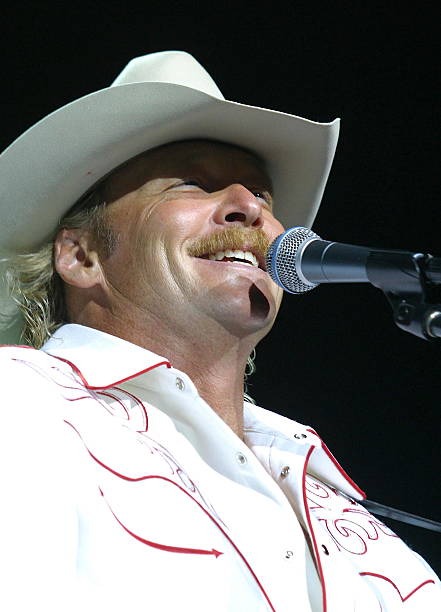
## Tempo and Rhythm in Alan Jackson’s Music: The Foundation of His Signature Sound
## Introduction
In country music, tempo and rhythm are more than technical elements—they shape how stories are told and how emotions are felt. Few artists understand this balance as well as Alan Jackson. Known for his commitment to traditional country, Jackson has built a career on songs that feel natural, unforced, and deeply connected to everyday life.
This article explores how tempo and rhythm function in Alan Jackson’s music, from his early hits to his later recordings. By examining his stylistic choices, influences, and musical patterns, we can better understand how these elements contribute to his enduring success and influence in country music.
—
## A Brief Overview of Alan Jackson’s Career
Alan Jackson was born in 1958 in Newnan, Georgia, and rose to prominence in the early 1990s. Signed to Arista Records, he became one of the leading figures in the neotraditional country movement—a style that returned to the genre’s roots after a period of pop-oriented experimentation.
Over the course of his career, Jackson has released numerous chart-topping albums and singles, many of which have been certified multi-platinum by the Recording Industry Association of America (RIAA). His induction into the Country Music Hall of Fame in 2017 further confirmed his status as one of the most influential country artists of his generation.
Central to his success is his ability to combine strong songwriting with carefully controlled tempo and rhythm, allowing his music to remain accessible while maintaining artistic integrity.
—
## Understanding Tempo in Alan Jackson’s Music
### Moderate Tempos as a Signature Choice
One of the defining characteristics of Alan Jackson’s music is his preference for moderate tempos. Rather than relying heavily on fast-paced or overly slow arrangements, he often settles into a mid-tempo range that allows lyrics to remain clear and emotionally grounded.
Songs like “Chattahoochee” feature an upbeat tempo that reflects youthful energy, while still maintaining a steady, controlled pace. On the other hand, tracks such as “Remember When” adopt a slower tempo, giving space for reflection and storytelling.
This deliberate use of tempo ensures that the listener can fully engage with the narrative without distraction.
### Tempo as a Storytelling Tool
In Jackson’s catalog, tempo is closely tied to the subject matter of each song. Faster tempos are typically used for themes of celebration, nostalgia, or humor, while slower tempos support introspective or emotional content.
This alignment between tempo and lyrical theme is a hallmark of effective songwriting. It demonstrates a clear understanding of how musical structure can reinforce meaning, rather than simply serving as a backdrop.
—
## Rhythm and Traditional Country Influences
### The Role of Classic Country Rhythms
Alan Jackson’s rhythmic style is deeply rooted in traditional country music. His songs often feature familiar patterns such as the two-step rhythm, waltz time, and shuffle grooves—elements that have been central to country music for decades.
For example, many of his honky-tonk-inspired tracks use a steady two-step beat, making them suitable for dancing while preserving a classic country feel. This approach connects his music to earlier generations of artists while keeping it relevant for modern audiences.
### Consistency and Simplicity
One notable aspect of Jackson’s rhythm is its consistency. He avoids overly complex rhythmic structures, instead focusing on patterns that are easy to follow and naturally engaging.
This simplicity is intentional. By keeping the rhythm accessible, Jackson allows the lyrics and melody to take center stage. It also makes his music more relatable to a broad audience, including listeners who may not be deeply familiar with musical theory.
—
## Instrumentation and Rhythmic Texture
### Traditional Instrumentation
The rhythmic foundation of Alan Jackson’s music is supported by traditional country instrumentation, including acoustic guitar, steel guitar, fiddle, and drums. Each instrument contributes to the overall groove without overwhelming the arrangement.
The rhythm guitar often provides a steady backbone, while the drums maintain a subtle but effective pulse. This layered approach creates a sense of movement without excessive complexity.
### Balancing Rhythm and Melody
In Jackson’s recordings, rhythm never overshadows melody. Instead, the two elements work together to create a cohesive sound. This balance is particularly evident in his ballads, where minimal rhythmic interference allows the vocal performance to remain the focal point.
This restraint reflects a broader philosophy in Jackson’s music: less can often be more.
—
## Evolution of Tempo and Rhythm Over Time
### Early Career (1990s)
During the 1990s, Jackson’s music leaned heavily on upbeat tempos and traditional rhythms. Songs from this period often featured lively arrangements that appealed to both radio audiences and dancehall crowds.
This era helped establish his identity as a neotraditional country artist, setting him apart from more pop-oriented contemporaries.
### Later Work and Maturity
As his career progressed, Jackson began to explore slower tempos and more reflective rhythms. Albums released in the 2000s and beyond show a greater emphasis on storytelling and emotional nuance.
This shift does not represent a departure from his earlier style but rather an evolution. The core elements—clarity, simplicity, and authenticity—remain consistent, even as the pacing becomes more measured.
—
## Influence on Country Music
### Setting a Standard for Authenticity
Alan Jackson’s approach to tempo and rhythm has influenced a generation of country artists who value traditional sounds and honest storytelling. By resisting trends that prioritize production over substance, he has helped preserve key elements of the genre’s identity.
### Industry Recognition
Publications such as Billboard and Rolling Stone have consistently highlighted Jackson’s contributions to country music, noting his ability to maintain relevance without compromising his style. His commercial success, combined with critical recognition, underscores the effectiveness of his musical approach.
—
## Conclusion
Tempo and rhythm play a crucial role in shaping the music of Alan Jackson. Through careful control of pacing and a commitment to traditional rhythmic structures, he has created a sound that is both timeless and accessible.
His music demonstrates that technical elements like tempo and rhythm are not merely background features—they are essential tools for storytelling. By aligning these elements with lyrical themes and emotional intent, Jackson has built a catalog that continues to resonate with listeners around the world.
For anyone interested in understanding the foundations of country music, Alan Jackson’s work offers a clear and compelling example of how simplicity, consistency, and authenticity can lead to lasting impact.
—
## SEO Title
Tempo and Rhythm in Alan Jackson’s Music: A Guide to His Signature Country Sound
## Meta Description
Discover how tempo and rhythm shape Alan Jackson’s music, from traditional country grooves to storytelling-driven pacing.
## Slug URL
alan-jackson-tempo-and-rhythm
## Alternative Subheadings
1. How Tempo Defines Alan Jackson’s Country Style
2. The Role of Rhythm in Alan Jackson’s Timeless Sound
3. Exploring Musical Structure in Alan Jackson’s Songs
## Sources
* Billboard
* Rolling Stone
* Recording Industry Association of America (RIAA)
* Country Music Hall of Fame
* Alan Jackson Official Website