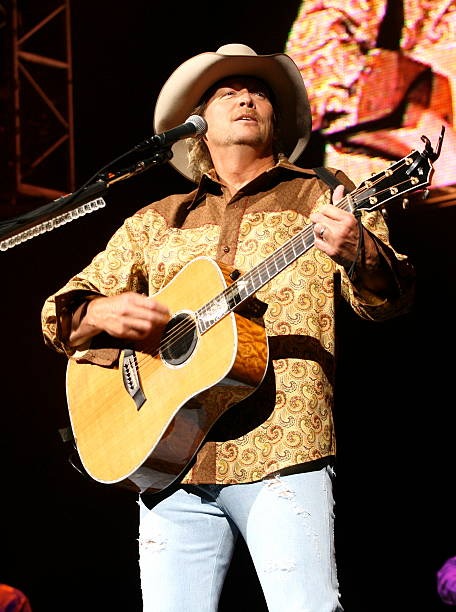
The Evolution of Alan Jackson’s Live Shows
Introduction
Alan Jackson is widely recognized as one of the most consistent and influential figures in modern country music. While his studio recordings have earned him widespread acclaim, his live performances have played an equally important role in shaping his legacy.
For both longtime fans and newcomers, understanding the evolution of Alan Jackson’s live shows offers insight into how he maintained relevance over decades while staying true to traditional country values. From modest early performances to large-scale tours, Jackson’s approach to live music reflects both his artistic identity and the changing landscape of country concerts.
Early Career: Simple Performances with Traditional Roots
Small Venues and Authentic Sound
In the late 1980s and early 1990s, Alan Jackson’s live shows were relatively simple. Performing in clubs, fairs, and smaller venues, he focused primarily on delivering his songs with clarity and authenticity.
At this stage, his performances mirrored his early recordings—minimal production, strong emphasis on live instrumentation, and a clear connection to traditional country music. Steel guitar, fiddle, and straightforward arrangements defined the experience.
Unlike many artists who relied heavily on stage effects, Jackson’s early shows centered on the music itself. This approach helped him build credibility within the country community, especially as he emerged alongside the neotraditional movement.
Building a Loyal Fan Base
As his early albums gained traction—particularly Here in the Real World (1990) and Don’t Rock the Jukebox (1991)—Jackson began attracting larger audiences. His live shows became known for their consistency and sincerity rather than spectacle.
According to industry coverage from Billboard, his steady rise in chart success during this period translated directly into increased demand for live performances.
Mid-1990s to Early 2000s: Growth and Expansion
Larger Tours and Broader Audiences
By the mid-1990s, Alan Jackson had become a major name in country music. His tours expanded into larger arenas and amphitheaters, reflecting his commercial success and growing fan base.
Albums like A Lot About Livin’ (And a Little ’bout Love) and Who I Am produced multiple hits, allowing him to build setlists filled with recognizable songs. This shift changed the dynamic of his live shows—from introducing himself to audiences to delivering a full catalog of fan favorites.
Balancing Tradition and Scale
Despite performing in bigger venues, Jackson maintained a relatively understated stage presence. He avoided excessive production elements, choosing instead to highlight:
- Live band performance
- Clear vocals and storytelling
- A relaxed, approachable stage demeanor
Critics, including those from Rolling Stone, have noted that Jackson’s concerts stood out for their refusal to chase trends. While other artists embraced elaborate staging, Jackson focused on musical integrity.
Post-2001: Emotional Depth and Cultural Impact
Responding to National Events
One of the most defining moments in Alan Jackson’s live performance history came after the release of “Where Were You (When the World Stopped Turning).”
Performed at major events, including award shows and live concerts, the song added a new emotional dimension to his shows. Audiences responded strongly to its sincerity, and it became a centerpiece of his performances in the early 2000s.
This period demonstrated how Jackson’s live shows could go beyond entertainment, offering reflection and shared emotional experiences.
Strengthening Audience Connection
During this era, Jackson’s concerts increasingly emphasized connection with the audience. Rather than relying on theatrical elements, he used storytelling and song introductions to create a more personal atmosphere.
This approach reinforced his reputation as an artist who values authenticity over spectacle.
2010s: Legacy Tours and Career Retrospectives
Celebrating a Long Career
By the 2010s, Alan Jackson’s live shows evolved into what many consider “legacy performances.” Tours during this period often highlighted his decades-long career, featuring a mix of early hits and later material.
Setlists typically included songs like:
- “Chattahoochee”
- “Remember When”
- “Drive (For Daddy Gene)”
These concerts were less about promoting new releases and more about celebrating his body of work.
Refined Production, Same Core Identity
While production quality improved—better lighting, sound systems, and stage design—the core of Jackson’s performances remained unchanged.
He continued to prioritize:
- Live musicianship
- Traditional country instrumentation
- A straightforward presentation style
According to the Country Music Hall of Fame, Jackson’s ability to maintain this identity contributed significantly to his lasting influence.
Recent Years: Adapting While Staying Authentic
Touring with Health Challenges
In recent years, Alan Jackson has continued to perform despite publicly sharing his diagnosis of Charcot-Marie-Tooth disease, a neurological condition that affects mobility.
This has naturally influenced the structure of his live shows. Performances are more carefully paced, and staging is adjusted to accommodate his physical condition.
However, the essence of his concerts remains intact—focused on music, storytelling, and audience connection.
A Focus on Experience Over Spectacle
Modern country concerts often feature elaborate visuals and high-energy production. In contrast, Alan Jackson’s recent tours emphasize a more classic concert experience.
Fans attend his shows not for visual effects, but for:
- Timeless songs
- Authentic delivery
- A sense of continuity with country music traditions
This distinction reinforces his unique position in the industry.
Musical Style and Its Role in Live Performance
Alan Jackson’s live shows are deeply shaped by his musical style. Known for his commitment to traditional country, his performances rely on:
- Clear narrative songwriting
- Familiar chord structures
- Organic instrumentation
Because of this, his songs translate naturally to the stage without requiring heavy production enhancements.
This consistency between studio recordings and live performances has helped build trust with audiences—a key factor in his long-term success.
Achievements and Touring Legacy
Alan Jackson’s success as a touring artist reflects his broader career achievements:
- Over 75 million records sold worldwide (RIAA)
- More than 25 No. 1 hits on Billboard country charts
- Induction into the Country Music Hall of Fame (2017)
While these milestones highlight his recording success, they also explain the enduring demand for his live shows.
His tours have consistently drawn large audiences, demonstrating that his appeal extends well beyond radio play.
Influence on Country Live Performances
Alan Jackson’s approach to live shows has influenced how traditional country artists present themselves on stage.
He proved that it is possible to:
- Succeed without relying on heavy production
- Maintain artistic integrity in large venues
- Build long-term audience loyalty through consistency
Younger artists who prioritize authenticity often cite Jackson as a model for balancing commercial success with traditional values.
Conclusion
The evolution of Alan Jackson’s live shows reflects both his personal journey and broader changes in country music. From small venues to major arenas, his performances have grown in scale while remaining grounded in authenticity.
Unlike many artists who adapt by following trends, Jackson has evolved by refining what he already does best—delivering honest, well-crafted country music.
For anyone interested in country music history, examining the evolution of Alan Jackson’s live shows offers a clear example of how consistency, integrity, and connection with audiences can sustain a career for decades.
SEO Title
The Evolution of Alan Jackson’s Live Shows: From Small Stages to Legacy Tours
Meta Description
Explore the evolution of Alan Jackson’s live shows, from early performances to modern tours, and discover how he stayed true to traditional country music.
URL Slug
evolution-of-alan-jackson-live-shows
Alternative Subheadings
- How Alan Jackson’s Concerts Changed Over Time
- From Honky-Tonks to Arenas: Alan Jackson Live
- The Story Behind Alan Jackson’s Touring Legacy
Sources
- Billboard (chart performance and touring relevance)
- Rolling Stone (artist reviews and critical analysis)
- RIAA (sales certifications and career data)
- Country Music Hall of Fame (biography and legacy recognition)
- Alan Jackson Official Website