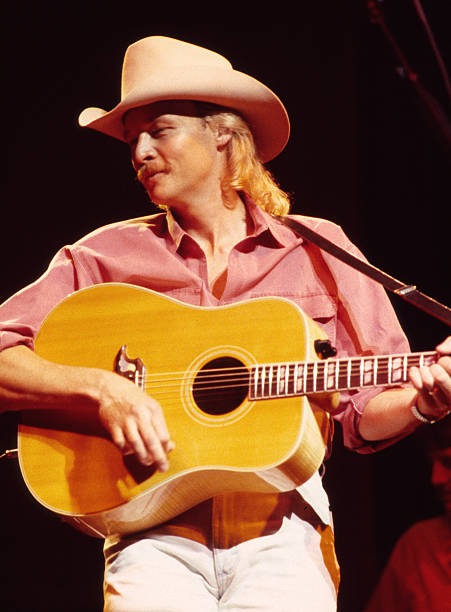
Traditional Country in Alan Jackson’s Music: A Closer Look at His Enduring Sound
Introduction
There’s a certain clarity in traditional country music—the kind that doesn’t rely on heavy production or shifting trends, but instead leans on storytelling, melody, and honesty. Listening to Alan Jackson often feels like stepping into that clarity. Whether it’s the opening notes of a steel guitar or a lyric that captures everyday life, his music carries a sense of familiarity that has remained consistent for decades.
In an industry that frequently evolves, Alan Jackson stands out for his commitment to traditional country values. His catalog offers a clear example of how classic elements can remain relevant without losing their original identity.
A Brief Background: Roots of a Traditionalist
Alan Jackson was born in 1958 in Newnan, Georgia, and grew up listening to gospel music alongside classic country artists like Hank Williams and George Jones. These early influences shaped not only his musical taste but also his approach to songwriting.
Before achieving success, Jackson worked regular jobs while writing songs and pursuing opportunities in Nashville. His signing with Arista Nashville in the late 1980s marked the beginning of a career that would soon become closely associated with the neotraditional country movement.
From the outset, Jackson’s music reflected a deliberate choice: to preserve the essence of traditional country while still engaging a modern audience.
Defining Traditional Country in Alan Jackson’s Music
Instrumentation and Sound
One of the most recognizable aspects of Alan Jackson’s music is its instrumentation. His songs consistently feature:
- Steel guitar
- Fiddle
- Acoustic guitar-driven arrangements
These elements create a sound that aligns closely with classic country traditions. Unlike heavily produced tracks that incorporate pop or electronic influences, Jackson’s recordings often feel stripped down and organic.
Songs like “Don’t Rock the Jukebox” and “Chattahoochee” illustrate this approach, blending upbeat rhythms with distinctly traditional instrumentation.
Storytelling and Everyday Themes
Traditional country music has long centered on storytelling, and Jackson’s songwriting reflects this clearly. His lyrics often focus on:
- Small-town life
- Relationships and family
- Faith and personal reflection
For example, “Drive (For Daddy Gene)” offers a narrative rooted in memory and family connection, while “Remember When” reflects on long-term relationships and life transitions.
Rather than relying on abstract concepts, Jackson’s songs tend to present clear, relatable stories. This directness is a key characteristic of traditional country songwriting.
Career Highlights Supporting His Traditional Approach
Early Success and Identity
Jackson’s debut album, Here in the Real World (1990), introduced him as a voice aligned with traditional country during a time when the genre was shifting toward more commercial sounds. His early success on Billboard’s country charts demonstrated that there was still strong audience interest in this style.
Consistency Through the 1990s and 2000s
Throughout the 1990s and early 2000s, Jackson released a series of successful albums that maintained his traditional sound. Tracks like “Gone Country” and “It’s Five O’Clock Somewhere” achieved commercial success while staying rooted in familiar musical structures.
According to the Recording Industry Association of America (RIAA), many of his albums reached multi-platinum status, highlighting both popularity and longevity.
Recognition and Awards
Alan Jackson’s commitment to traditional country has been widely recognized within the industry. His achievements include:
- Multiple CMA and ACM Awards
- Grammy Awards for standout performances
- Induction into the Country Music Hall of Fame (2017)
These honors reflect not only commercial success but also respect from peers and industry institutions.
Balancing Tradition with Modern Relevance
One of the more notable aspects of Alan Jackson’s career is how he balanced tradition with accessibility. While his sound remained rooted in classic country, his songs were still widely played on contemporary radio.
This balance can be seen in tracks like “Where Were You (When the World Stopped Turning),” which addressed a national moment while maintaining a simple, acoustic-driven arrangement. The song resonated broadly without departing from his established style.
Rather than adapting to trends, Jackson’s approach suggests that consistency itself can be a form of relevance.
Musical Style: Neotraditional Country
Alan Jackson is often associated with the neotraditional country movement, a style that emerged in the 1980s and 1990s as a response to the increasing pop influence in country music.
Key characteristics of this style in Jackson’s work include:
- Clear vocal delivery without heavy effects
- Emphasis on melody over production complexity
- Traditional song structures
His voice—steady and conversational—supports the storytelling aspect of his music. It avoids exaggeration and instead allows the lyrics to remain the focal point.
Influence and Lasting Legacy
Alan Jackson’s influence extends beyond his own recordings. He is frequently cited as an artist who helped preserve traditional country music during a period of transition.
Younger artists and fans who seek a more classic sound often reference his catalog as a reliable example. His work provides continuity between earlier generations of country music and modern listeners.
His induction into the Country Music Hall of Fame further solidifies his role in shaping the genre’s identity.
Conclusion
Alan Jackson’s music offers a clear and consistent example of traditional country values in practice. From his early influences in Georgia to his decades-long career in Nashville, his work reflects a commitment to storytelling, simplicity, and authenticity.
While country music continues to evolve, Jackson’s catalog remains a useful reference point for understanding the core elements of the genre. His approach demonstrates that tradition, when handled thoughtfully, can remain both relevant and widely appreciated.
SEO Title
Traditional Country in Alan Jackson’s Music: Style, Influence, and Legacy
Meta Description
Explore how Alan Jackson preserves traditional country music through storytelling, instrumentation, and timeless style across his career.
Slug URL
alan-jackson-traditional-country-music
Alternative Headlines
- How Alan Jackson Keeps Traditional Country Music Alive
- Alan Jackson’s Signature Sound: A Deep Dive into Traditional Country
- The Role of Tradition in Alan Jackson’s Country Music Career
Sources
- Billboard (chart data and artist rankings)
- Recording Industry Association of America (RIAA) certifications
- Country Music Hall of Fame official records
- Rolling Stone coverage of country music
- CMA Awards official archives
- Arista Nashville artist records