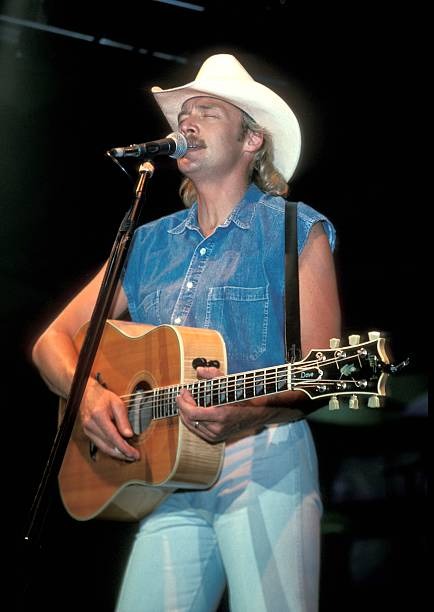
What Happened to Country Music Legends of the 90s? A Look at Their Lives and Legacies Today
Introduction
For many listeners, the 1990s represent one of the most defining eras in country music—a time when storytelling, traditional sounds, and mainstream popularity came together in a unique way. Artists from that decade didn’t just produce hit songs; they shaped the identity of modern country music.
But as the industry has evolved, a natural question arises: what happened to the country music legends of the 90s? While some remain active, others have stepped back from the spotlight, and a few have taken on new roles within the music world. Looking at their journeys offers insight into how careers in country music evolve over time.
The 90s Country Boom: A Defining Era
The 1990s saw country music reach unprecedented commercial success. Artists such as Alan Jackson, Garth Brooks, Shania Twain, and George Strait dominated charts and expanded the genre’s audience.
This era was marked by:
- Strong emphasis on storytelling
- A balance between traditional and contemporary sounds
- Increased crossover appeal to mainstream audiences
According to Billboard and RIAA data, many of these artists achieved multi-platinum sales, helping country music reach global audiences.
Artists Who Remain Active
Alan Jackson: A Consistent Traditional Voice
Alan Jackson continues to be recognized for his commitment to traditional country music. Although he has slowed down touring in recent years, his influence remains strong, and his catalog continues to attract new listeners.
George Strait: Selective Appearances, Lasting Impact
George Strait officially retired from full-scale touring in 2014 but still performs select shows. Often referred to as the “King of Country,” Strait maintains a lasting presence through his extensive catalog and occasional live appearances.
Garth Brooks: A Continuing Stadium Presence
Garth Brooks remains one of the most commercially successful artists in any genre. He continues to tour and release music, often performing in large venues and maintaining a strong connection with fans.
Artists Who Shifted Their Careers
Shania Twain: From Global Stardom to Selective Projects
Shania Twain became one of the best-selling female artists of all time in the 1990s. After facing personal and health challenges, she returned with new music and Las Vegas residencies, choosing a more selective approach to performing.
Faith Hill and Tim McGraw: Balancing Music and Other Ventures
Faith Hill and Tim McGraw both rose to prominence in the 90s and have since balanced music careers with acting and business ventures. Their collaborative tours and projects continue to draw attention.
Artists Who Stepped Away or Reduced Visibility
Changing Industry Dynamics
Some 90s country artists have stepped away from the spotlight due to changing industry trends. The rise of pop-country and streaming platforms has shifted how music is produced and consumed.
Artists who built their careers on traditional formats such as radio and physical album sales have had to adapt—or choose to step back.
Personal Choices and Lifestyle Changes
For others, the decision to reduce visibility is personal. After decades of touring and recording, many artists prioritize family life, health, or smaller-scale projects.
This shift is not uncommon in long-term careers and reflects a broader pattern across the music industry.
The Legacy of 90s Country Legends
Defining Modern Country Music
The influence of 90s country artists is still evident today. Their approach to storytelling, melody, and production continues to shape the genre.
Younger artists often cite this era as a major influence, particularly in terms of songwriting and authenticity.
Continued Cultural Relevance
Songs from the 1990s remain widely played on radio, streaming platforms, and live performances. Tracks like “Friends in Low Places,” “Man! I Feel Like a Woman!,” and “Chattahoochee” continue to resonate with audiences.
This ongoing relevance highlights the lasting impact of the era.
How the Industry Has Changed Since the 90s
From Physical Sales to Streaming
The shift from CDs to digital streaming has transformed the music industry. In the 90s, success was measured largely by album sales; today, streaming numbers and social media presence play a significant role.
Evolving Sound and Production
Modern country music often blends elements from pop, hip-hop, and rock. While this evolution has expanded the genre’s reach, it has also created a contrast with the more traditional sound of the 90s.
Artists like Alan Jackson have maintained a consistent style, providing continuity within this changing landscape.
Conclusion
The country music legends of the 1990s have not disappeared—they have simply evolved. Some continue to perform and record, others have shifted their focus, and a few have stepped back after long and successful careers.
What remains consistent is their influence. The music they created continues to shape the genre and connect with audiences across generations.
Understanding what happened to these artists is less about decline and more about transition. Their legacy is not confined to a specific decade—it continues to live on in the music, the industry, and the listeners who still find meaning in their songs.
SEO Title
What Happened to Country Music Legends of the 90s? Where They Are Now
Meta Description
Discover what happened to 90s country music legends, including Alan Jackson, Garth Brooks, and Shania Twain, and explore their careers today.
Slug URL
country-music-legends-90s-where-are-they-now
Alternative Headlines
- Where Are 90s Country Music Stars Today?
- The Evolution of Country Legends from the 1990s
- How 90s Country Icons Shaped Today’s Music Industry
Sources
- Billboard
- Rolling Stone
- RIAA (Recording Industry Association of America)
- Country Music Hall of Fame
- Official artist websites