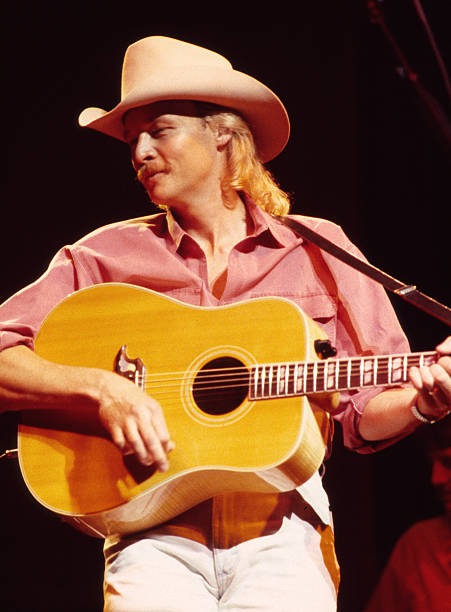
Why Listening to Alan Jackson Feels Like Slowing Down Time
Introduction
There are moments when music does more than fill the silence—it reshapes how we experience time itself. Maybe it’s a quiet drive at dusk or a late night when everything finally slows down. In those moments, the voice of Alan Jackson often feels different. His songs don’t rush, don’t demand attention—they settle in gently, almost as if they’re giving you permission to pause.
So what is it about Alan Jackson’s music that creates this sense of stillness? Why do his songs feel like they stretch time rather than chase it? The answer lies in a combination of his storytelling, musical style, and the values he has consistently carried throughout his career.
A Brief Look at Alan Jackson’s Life and Career
Born in 1958 in Newnan, Georgia, Alan Jackson grew up surrounded by gospel and traditional country music. His early influences shaped a sound that would later define his identity in the industry. After moving to Nashville in the 1980s, he signed with Arista Records and quickly rose to prominence in the early 1990s.
Over the decades, Jackson has released dozens of albums, earning multiple awards from organizations like the Country Music Association and the Academy of Country Music. According to the Recording Industry Association of America, many of his albums have achieved multi-platinum status, reflecting both commercial success and long-term listener loyalty.
His induction into the Country Music Hall of Fame further solidifies his place as one of the defining voices of modern country music.
The Power of Simplicity in His Music
Less Production, More Presence
One of the defining features of Alan Jackson’s music is its simplicity. While modern country often leans toward polished production and layered instrumentation, Jackson’s recordings tend to remain grounded. Acoustic guitars, steel guitar, and gentle rhythms dominate his sound.
This stripped-down approach allows listeners to focus on the song itself—not just the arrangement. There’s space in the music, and that space creates a sense of calm.
Familiar Structures That Feel Timeless
Jackson rarely experiments with unconventional song structures. Instead, he embraces traditional verse-chorus patterns that feel instantly recognizable. This familiarity helps listeners settle into the music without effort, reinforcing the feeling that time has slowed down.
Storytelling That Anchors You in the Moment
Everyday Life, Not Escapism
Unlike songs that aim to overwhelm or distract, Alan Jackson’s lyrics often reflect everyday life—love, loss, family, and simple routines. Tracks like “Remember When” or “Drive (For Daddy Gene)” don’t rely on dramatic twists. Instead, they unfold gradually, like memories being revisited.
This storytelling style encourages reflection. Rather than pushing you forward, the songs gently pull you backward—or inward.
Emotional Honesty Without Excess
Jackson’s writing avoids exaggeration. His lyrics are direct and sincere, which makes them easier to trust. Publications like Rolling Stone have noted how traditional country artists often rely on authenticity rather than spectacle—and Jackson is a clear example of that principle.
Because the emotions feel grounded, listeners don’t feel rushed. They’re invited to sit with the feeling instead of being pushed through it.
A Voice That Doesn’t Compete With Time
Calm, Measured Delivery
Alan Jackson’s vocal style plays a major role in how his music is perceived. His voice is steady, unforced, and consistent across decades. He rarely uses dramatic vocal runs or sudden shifts in intensity.
This kind of delivery creates a sense of stability. The listener isn’t being pulled in different directions—they’re being guided at a steady pace.
Consistency Over Trend-Chasing
Throughout his career, Jackson has resisted major stylistic changes. While many artists adapt to evolving trends, he has remained committed to traditional country sounds.
Organizations like Billboard have documented how trends in country music have shifted over time, yet Jackson’s core style has remained largely unchanged. That consistency contributes to the timeless quality of his music.
Musical Style Rooted in Tradition
The Influence of Classic Country
Alan Jackson’s work draws heavily from artists like Hank Williams and George Jones. This connection to earlier eras gives his music a sense of continuity.
Rather than feeling tied to a specific decade, his songs feel like part of a larger tradition. That continuity helps remove the urgency often associated with modern music.
Instrumentation That Breathes
Steel guitars, fiddles, and acoustic elements are not just stylistic choices—they’re functional. They create space between notes, allowing the listener to absorb each moment.
In a way, the music mirrors conversation rather than performance. It pauses, reflects, and continues.
Achievements That Reflect Longevity, Not Just Popularity
Alan Jackson’s success isn’t limited to chart performance. He has accumulated:
- Multiple Grammy Awards
- Numerous CMA and ACM Awards
- Over 75 million records sold worldwide
- Dozens of No. 1 hits on country charts
These achievements highlight not just popularity, but endurance. His music continues to be relevant because it doesn’t rely on short-term trends.
The Emotional Effect: Why It Feels Like Time Slows Down
Music That Encourages Reflection
When listeners engage with Alan Jackson’s songs, they’re often encouraged to think about their own lives. The themes are relatable, and the pacing allows room for personal interpretation.
This reflective quality naturally slows down perception. Instead of reacting quickly, listeners linger.
A Break From Modern Speed
In contrast to fast-paced, highly produced music, Jackson’s work offers a different experience. It doesn’t compete for attention—it holds it quietly.
That contrast can feel like stepping out of a busy environment into a quiet space. The change in pace is what makes time feel slower.
Conclusion
Listening to Alan Jackson isn’t just about enjoying country music—it’s about experiencing a different rhythm of life. Through simple arrangements, honest storytelling, and a consistent artistic identity, his songs create space where listeners can pause, reflect, and reconnect with something familiar.
In a music landscape that often prioritizes speed and novelty, Alan Jackson’s work stands as a reminder that sometimes, slowing down is exactly what makes music last.
SEO Title
Why Listening to Alan Jackson Feels Like Slowing Down Time
Meta Description
Discover why Alan Jackson’s timeless country music creates a sense of calm and reflection, making listeners feel like time slows down.
Slug URL
alan-jackson-slowing-down-time
Alternative Headlines
- How Alan Jackson’s Music Creates a Timeless Listening Experience
- The Secret Behind Alan Jackson’s Calm, Enduring Sound
- Why Alan Jackson’s Songs Feel Different From Modern Country
Sources
- Billboard
- Rolling Stone
- Recording Industry Association of America (RIAA)
- Country Music Hall of Fame
- Alan Jackson Official Website