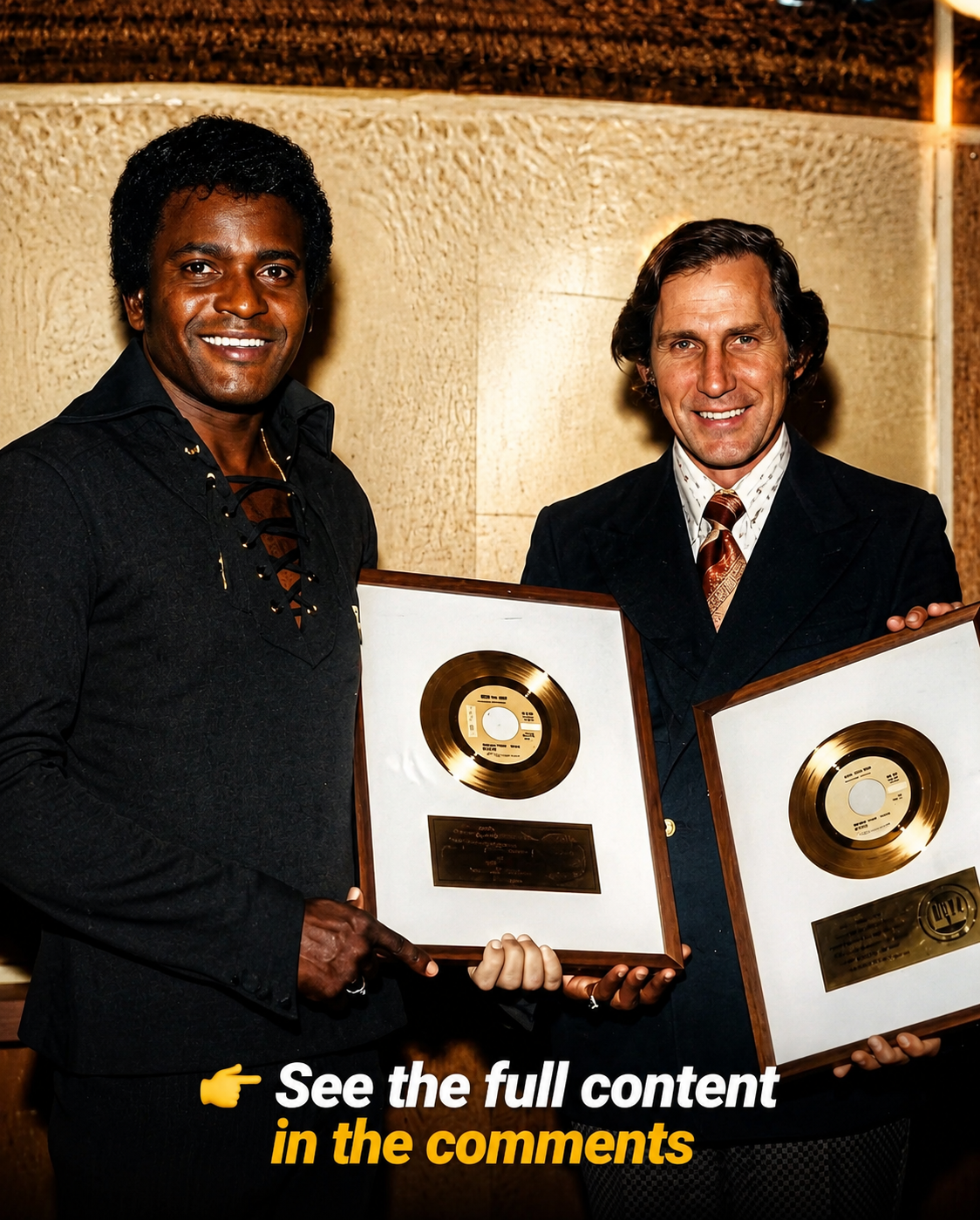
When Chet Atkins Chose Music Over Prejudice: The Beginning of Charley Pride’s Historic Journey
Introduction
In the mid-1960s, America was experiencing profound social change. The civil rights movement was challenging long-standing barriers, while many industries, including entertainment, remained shaped by deep racial divisions. Country music was no exception. It was a genre rooted in tradition, and opportunities for Black artists were extremely limited.
It was into this environment that Charley Pride emerged. Armed with little more than extraordinary talent and determination, he would eventually become one of the most influential figures in country music history. Yet his journey began with one crucial act of belief from a man who understood that great music deserved a fair chance to be heard.
Chet Atkins Recognized a Rare Talent
Before Charley Pride became a household name, he was simply a singer with a remarkable voice. His sound carried warmth, sincerity, and emotional depth that immediately stood out from the crowd.
When legendary producer and musician Chet Atkins first heard Pride sing, he recognized something special. The voice felt authentic, natural, and perfectly suited for country music. Atkins saw potential that extended far beyond a few successful recordings.
However, he also understood the reality of Nashville at the time. Talent alone did not always determine success. Perceptions, assumptions, and prejudice often shaped opportunities before a song was even heard.
The Decision That Changed Everything
Letting the Music Speak First
Knowing the challenges Pride would face, Chet Atkins made a strategic choice.
Rather than introducing Charley Pride through photographs or personal background information, Atkins focused entirely on the music. He presented Pride’s recordings to executives without emphasizing who the singer was.
The result was immediate.
Industry decision-makers listened to the songs and heard a powerful country vocalist. They heard professionalism, emotion, and commercial potential. Most importantly, they reacted to the music itself before any preconceived opinions could influence their judgment.
Only after the recordings had made their impact did the broader story of the artist become known.
A Quiet but Powerful Act
Atkins did not deliver speeches or publicly challenge the system. Instead, he created a moment where talent had the opportunity to stand on its own.
His approach demonstrated an important truth: sometimes meaningful change begins not with confrontation, but with creating a fair opportunity for someone to be seen and heard.
How the Records Won Over Audiences
As Charley Pride’s early songs reached radio stations, listeners responded positively. The records found their way onto playlists because they sounded good, not because of marketing campaigns or publicity photos.
The songs traveled through small towns, family homes, pickup trucks, and late-night radio broadcasts. Fans connected with the voice long before they knew much about the man behind it.
This gradual introduction proved significant.
By the time many listeners discovered that Pride was Black, they had already embraced his music. The songs had earned trust, and the artist had begun building a loyal audience.
That foundation helped create opportunities that might otherwise have been impossible.
More Than an Industry Partnership
A Vote of Confidence
The relationship between Chet Atkins and Charley Pride represented more than a business arrangement.
For Pride, support from one of Nashville’s most respected figures carried enormous significance. Atkins was effectively telling him that his talent belonged on country music’s biggest stages.
Coming from humble beginnings as the son of a Mississippi sharecropper, Pride had already overcome numerous obstacles. Having someone of Atkins’ stature believe in his future provided both opportunity and encouragement.
A Career That Changed Country Music
Charley Pride did not simply achieve success. He transformed perceptions within the genre.
Over time, he became one of country music’s most successful recording artists, earning numerous hit songs, awards, and the admiration of millions of fans. His accomplishments opened doors and demonstrated that great music could transcend barriers that once seemed impossible to overcome.
The Power of Quiet Courage
History often remembers dramatic moments, public speeches, and headline-making events. Yet some of the most important changes begin in quieter ways.
A recording played in the right room.
A producer willing to take a chance.
A decision to let listeners judge a song before judging the person singing it.
Chet Atkins trusted that people would recognize quality when they heard it. Charley Pride trusted that his music could reach hearts regardless of the obstacles around him. Together, they helped reshape the future of country music.
Conclusion
The story of Charley Pride’s rise is not only about talent, success, or fame. It is also about opportunity and the people willing to create it.
Chet Atkins understood that sometimes the most important thing a person can do is remove the barriers standing between talent and recognition. By allowing the music to speak first, he gave Charley Pride the chance to earn his place through the strength of his voice.
That decision helped launch one of the most remarkable careers in country music history and remains a powerful reminder that true talent deserves to be heard before anything else.