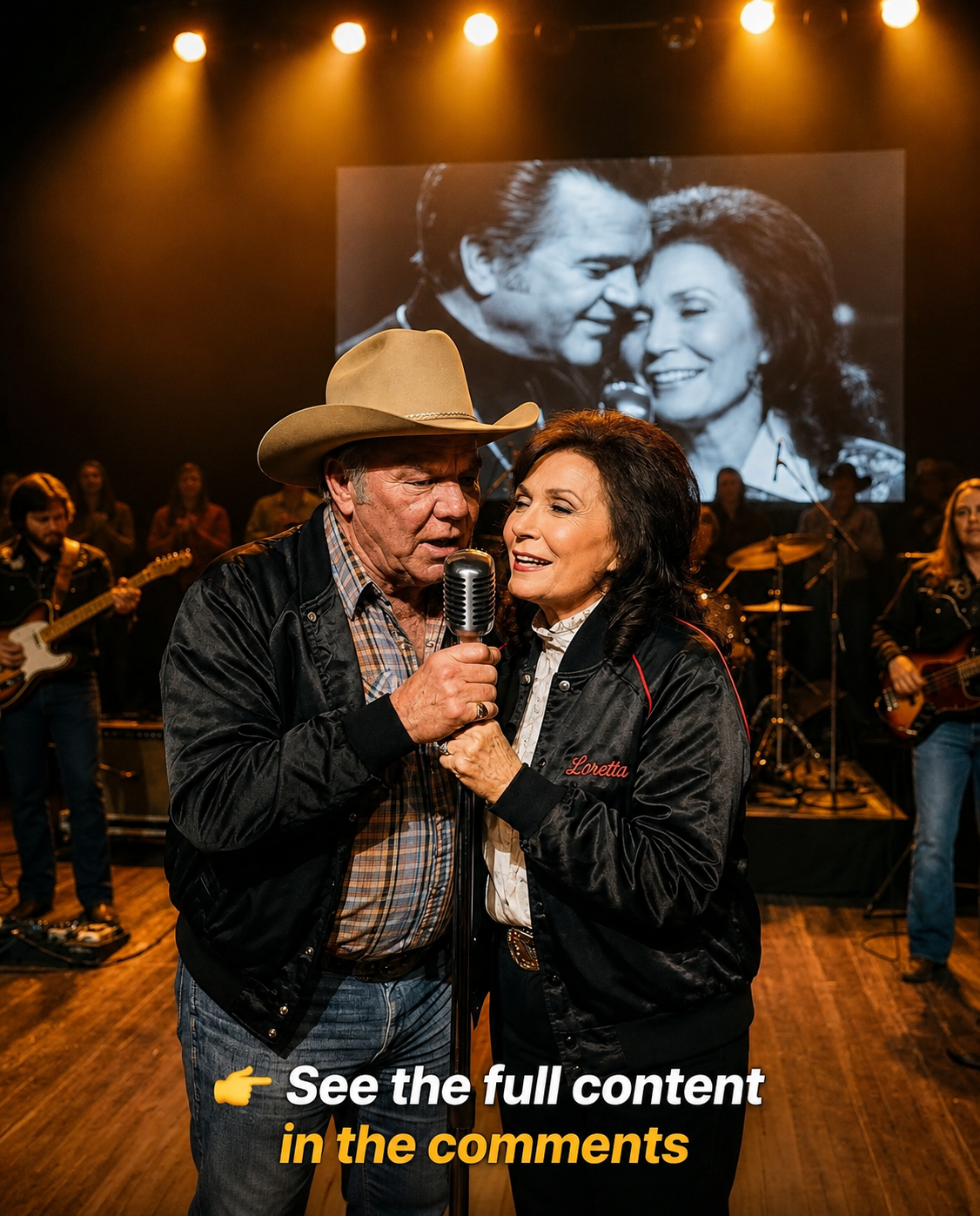
When Nashville Doubted the Idea, Conway Twitty and Loretta Lynn Trusted Their Instincts
Introduction
Some of country music’s greatest success stories began with confidence, while others started with skepticism. The partnership between Conway Twitty and Loretta Lynn belongs firmly in the second category.
Before they became one of the most celebrated duos in country music history, many people in Nashville questioned whether the collaboration would work at all. Industry insiders saw two established stars with successful solo careers and wondered why either of them would take the risk.
Yet Conway Twitty and Loretta Lynn believed they had something special to offer together—and their faith in that belief would ultimately change country music history.
Why So Many People Opposed the Collaboration
At the time, both artists were already recognized names with loyal audiences and strong careers. From a business perspective, combining two successful acts seemed unnecessary.
Many executives feared that a duet partnership could distract from their individual success or fail to connect with listeners. The idea simply did not fit the conventional thinking of the era.
However, Conway and Loretta were not focused on industry predictions. They believed their voices complemented each other in a way that could create something unique.
Years later, Conway remembered how few people supported the idea in the beginning. Among the small circle of believers was Oliver “Doolittle” Lynn, Loretta’s husband, who encouraged the project when many others remained doubtful.
The Song That Nearly Went Unnoticed
The turning point came with a song written by songwriter L.E. White called After the Fire Is Gone.
Unlike many commercial releases of the time, the song relied on emotional honesty rather than flashy production. Its story centered on love, longing, and the complicated feelings that remain after the excitement of a relationship fades.
Ironically, Conway almost overlooked the song completely.
According to stories shared later, he rediscovered the track long after it had first been presented to him. Excited by what he thought was a new find, he contacted songwriter L.E. White, only to discover he had actually received the song much earlier.
The experience became a reminder that sometimes a song finds its moment only when an artist is truly ready to hear it.
A Hit That Changed Everything
When After the Fire Is Gone was released in early 1971, audiences immediately connected with it.
Within just a few months, the record reached the top of the country charts. What many industry observers had considered a questionable decision quickly became one of the hottest records in country music.
Listeners were drawn to the natural chemistry between Conway and Loretta. His smooth delivery blended effortlessly with her heartfelt authenticity, creating performances that felt genuine and relatable.
Their recordings sounded less like a calculated business arrangement and more like two artists sharing real emotions through music.
Why Fans Connected So Deeply
One reason for the duo’s success was authenticity.
Conway Twitty and Loretta Lynn never sounded as though they were trying to impress audiences. Instead, they sounded believable. Their songs captured the joys, struggles, humor, and heartbreaks that many people experienced in everyday life.
That honesty created a powerful connection with fans across America.
Grammy Recognition and Continued Success
The success of After the Fire Is Gone did not end with chart performance.
The song earned Conway Twitty and Loretta Lynn a Grammy Award, confirming that their instincts had been right from the beginning.
More importantly, it laid the foundation for one of the most successful partnerships in country music history. Over the following years, the duo produced multiple chart-topping hits and became a favorite among country music audiences.
Each release strengthened their reputation as a partnership built on trust, chemistry, and genuine artistic connection.
A Collaboration Built on Belief
Unlike many modern collaborations that are carefully planned by marketing teams and record executives, this partnership grew from personal conviction.
Conway Twitty, Loretta Lynn, and Doolittle Lynn believed in the idea even when many others did not. They trusted the music, trusted the songs, and trusted each other.
That confidence allowed them to move forward despite the doubts surrounding them.
Conclusion
The story of Conway Twitty and Loretta Lynn is more than the story of a successful duet. It is a reminder that innovation often begins where skepticism ends.
When Nashville questioned the idea, they followed their instincts. When others predicted failure, they trusted the music.
The result was a Grammy-winning song, multiple No. 1 hits, and a partnership that remains one of the most beloved in country music history. Their success proves that sometimes the greatest achievements come from believing in a vision long before anyone else can see it.