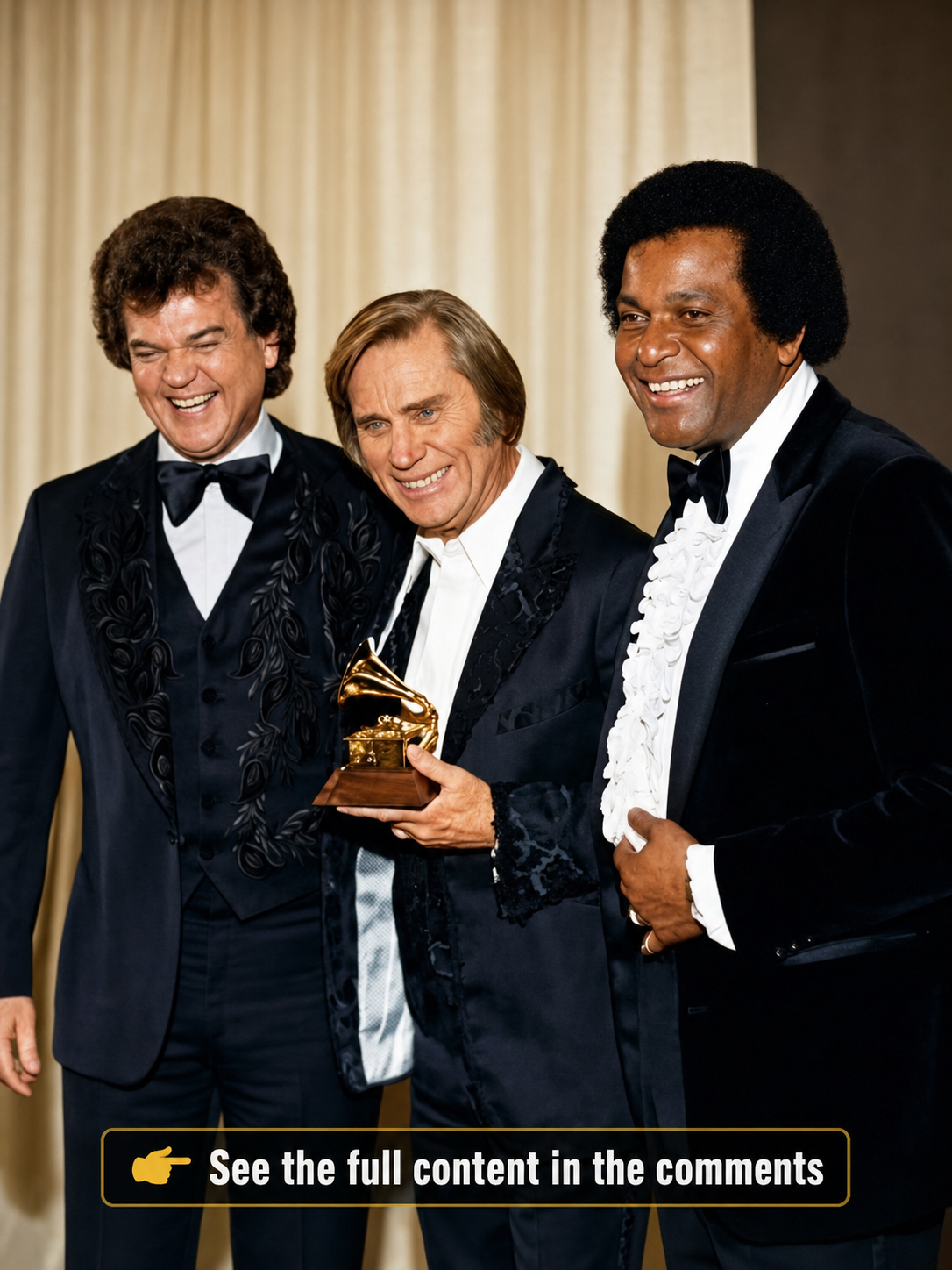
George Jones Recognized Greatness Early: How Charley Pride Won Hearts Through His Music
Introduction
In country music, praise from fellow artists often carries more weight than awards or chart positions. Few compliments meant more than those given by George Jones, a singer widely regarded as one of the greatest voices the genre has ever known.
Jones spent his career surrounded by exceptional talent, so he rarely handed out admiration without reason. When he spoke highly of Charley Pride’s voice, it was because he recognized something extraordinary long before many others did. What followed was a remarkable journey that would reshape country music and leave a lasting legacy built on talent, dignity, and perseverance.
George Jones Heard What Others Had Yet to Discover
By the time Charley Pride arrived in Nashville, George Jones had already heard countless singers come and go. He understood the difference between a pleasant voice and one capable of creating a genuine emotional connection with listeners.
Charley Pride possessed that rare gift.
His voice carried warmth, sincerity, and a natural country sound that felt instantly familiar. Songs such as Just Between You and Me, Is Anybody Goin’ to San Antone, and Mountain of Love showcased an artist who never relied on trends or gimmicks. Instead, he focused on honest storytelling and heartfelt performances.
While some people were slow to recognize his talent, George Jones understood it immediately.
H2: Letting The Music Speak Louder Than Expectations
H3: A Difficult Beginning In Nashville
The early years of Charley Pride’s career were far from easy. In an industry that was not prepared for change, many people formed opinions before hearing him sing.
Promoters occasionally chose not to feature his photograph in advertisements. Their goal was simple: allow audiences to hear the music first and make judgments afterward.
It was an uncomfortable reality, and Pride knew exactly what was happening. Yet he rarely allowed bitterness to define his public image.
H3: Winning Audiences One Performance At A Time
Instead of focusing on obstacles, Charley Pride focused on the stage.
Night after night, he stepped in front of audiences, greeted them with a smile, and delivered songs with confidence and authenticity. Any uncertainty in the room often disappeared within moments of the first verse.
People came to listen, and they stayed because of what they heard.
By the end of many performances, skeptical audiences had become enthusiastic supporters. Pride understood that genuine connection could often accomplish what confrontation could not.
His philosophy was simple: let the songs do the talking.
H2: Building One Of Country Music’s Greatest Careers
H3: From Newcomer To Superstar
As the 1970s arrived, Charley Pride was no longer trying to prove he belonged. He had become one of the most successful artists in country music.
Hit records continued to arrive, concert venues filled with fans, and industry recognition followed. What began as a challenging journey evolved into a career filled with remarkable achievements.
His growing success demonstrated that audiences ultimately cared about great music above all else.
H3: The Impact Of “Kiss An Angel Good Mornin’”
Among his many hits, Kiss an Angel Good Mornin’ became the song most closely associated with his name.
The record’s upbeat energy and joyful spirit connected instantly with listeners. Whenever Pride performed it, crowds responded with enthusiasm, singing along and celebrating every word.
The song represented more than commercial success. It symbolized years of dedication and patience that had gradually earned him the respect of fans across the country.
Every performance reinforced the same truth: Charley Pride’s music transcended expectations and brought people together.
H2: The Quiet Grace That Changed Country Music
Many artists change a genre through bold statements or dramatic moments. Charley Pride changed country music differently.
He challenged assumptions simply by showing up, performing at the highest level, and refusing to let obstacles define his identity. His influence opened doors for future generations while proving that talent remains the most important measure of an artist.
What makes his story especially powerful is the way he handled adversity. He rarely sought sympathy and never allowed hardship to overshadow the music itself.
Instead, he continued doing what he loved—singing, performing, and connecting with audiences.
That quiet determination became one of his greatest strengths.
Conclusion
George Jones recognized Charley Pride’s greatness long before the entire country music world caught up. He heard a voice that deserved to be celebrated, and history ultimately proved him right.
Charley Pride’s legacy extends far beyond chart-topping hits and industry awards. He demonstrated the power of patience, grace, and unwavering belief in one’s talent. Through his music, he earned the admiration of millions and helped reshape country music without ever losing his humility.
In the end, George Jones was simply among the first to hear what generations of fans would eventually discover for themselves: Charley Pride was one of country music’s most remarkable voices.