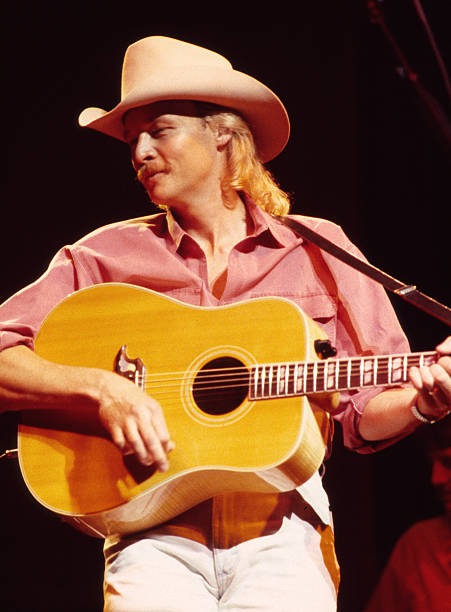
A Voice That Defined an Era: The Enduring Legacy of Alan Jackson
Introduction
There’s a certain kind of voice that doesn’t just sing songs—it carries a time, a place, and a feeling with it. For many country music listeners, that voice belongs to Alan Jackson. Whether drifting through a quiet highway or playing softly on a porch radio at sunset, his music has a way of grounding listeners in something familiar. But what exactly made his voice so defining, and why does it continue to resonate decades later?
Early Life and Musical Roots
Born in 1958 in Newnan, Georgia, Alan Jackson grew up surrounded by gospel music and traditional country sounds. His early influences included artists like Hank Williams and George Jones—names that would later echo in his own musical style. Before his rise to fame, Jackson worked modest jobs while quietly pursuing music, eventually relocating to Nashville in the 1980s.
His path into the industry wasn’t instantaneous, but it was steady. A chance connection led to a recording contract with Arista Nashville, marking the beginning of a career that would soon redefine modern country music.
Breakthrough and Rise to Stardom
Jackson’s debut album, Here in the Real World (1990), introduced audiences to a voice that felt both fresh and timeless. The album’s title track quickly gained traction, followed by hits like “Wanted” and “Chasin’ That Neon Rainbow.” These songs weren’t flashy—they were honest, rooted in everyday experiences, and delivered with understated sincerity.
Throughout the 1990s, Jackson became a central figure in country music’s mainstream success. Albums like Don’t Rock the Jukebox (1991) and A Lot About Livin’ (And a Little ’bout Love) (1992) produced chart-topping singles and solidified his reputation as a consistent hitmaker. According to Billboard, Jackson achieved over 30 No. 1 hits on the country charts during his career—an indicator of both popularity and longevity.
A Signature Sound That Stood Apart
What set Alan Jackson apart wasn’t just his songwriting or commercial success—it was his sound. At a time when country music began incorporating more pop and rock influences, Jackson remained committed to traditional elements: steel guitar, fiddle, and storytelling lyrics.
His voice—smooth, slightly drawled, and unpretentious—became instantly recognizable. It wasn’t overly polished, nor did it rely on vocal theatrics. Instead, it carried emotional weight through simplicity. Songs like “Remember When” and “Drive (For Daddy Gene)” exemplify this approach, offering personal narratives that feel universally relatable.
Critics from Rolling Stone and other outlets often highlighted Jackson’s ability to bridge generations, appealing to both traditionalists and newer listeners without compromising authenticity.
Career Highlights and Achievements
Alan Jackson’s career is marked by numerous milestones that underscore his impact:
- Inducted into the Country Music Hall of Fame in 2017
- Over 75 million records sold worldwide (RIAA estimates)
- Multiple Grammy Awards, including Best Country Song
- Numerous CMA and ACM Awards across several decades
One of his most culturally significant moments came with “Where Were You (When the World Stopped Turning),” a song written in response to the events of September 11, 2001. The track resonated deeply with audiences and critics alike, earning widespread recognition for its sincerity and restraint.
Songwriting: Stories That Feel Personal
A key part of Jackson’s legacy lies in his songwriting. Unlike many artists who rely heavily on external writers, he has written or co-written a significant portion of his catalog. His lyrics often revolve around themes of love, memory, faith, and everyday life.
What makes his storytelling compelling is its clarity. He avoids overly complex metaphors, instead opting for direct language that allows listeners to project their own experiences onto his songs. This approach aligns with traditional country songwriting values, where the story itself takes center stage.
Influence on Country Music
Alan Jackson’s influence extends beyond his own recordings. At a time when the genre faced shifts toward commercialization and crossover appeal, he remained a steady presence advocating for its roots.
Younger artists frequently cite Jackson as an influence—not just for his music, but for his consistency and artistic integrity. His work helped preserve a lane within country music that prioritizes storytelling and traditional instrumentation.
Organizations like the Country Music Hall of Fame have recognized his role in shaping the genre’s modern identity, placing him among artists who bridged past and present.
A Lasting Legacy
Even as musical trends continue to evolve, Alan Jackson’s catalog remains relevant. His songs are still played on radio stations, included in playlists, and performed by new generations of artists.
Part of this longevity comes from the timeless nature of his themes. Songs about family, change, and memory rarely lose their relevance. Combined with his distinctive voice, these elements ensure that his music continues to find an audience.
It’s not an overstatement to say that Alan Jackson didn’t just succeed in country music—he helped define what it sounded like during a pivotal era.
Conclusion
In an industry often driven by change, Alan Jackson stands as a reminder of the power of staying true to one’s roots. His voice, both literal and artistic, captured a version of country music that resonated deeply with listeners and still does today.
While new artists and styles will always emerge, the clarity, honesty, and emotional resonance of Jackson’s work offer something enduring. His voice didn’t just define an era—it continues to echo beyond it.
SEO Title
Alan Jackson: The Voice That Defined an Era in Country Music
Meta Description
Explore how Alan Jackson’s timeless voice and traditional style shaped modern country music and continue to influence artists today.
Slug URL
alan-jackson-voice-that-defined-an-era
Alternative Headlines
- How Alan Jackson Shaped the Sound of Modern Country Music
- The Enduring Power of Alan Jackson’s Voice
- Why Alan Jackson Still Matters in Country Music Today
Sources
- Billboard
- Rolling Stone
- RIAA (Recording Industry Association of America)
- Country Music Hall of Fame
- Official Alan Jackson Website