Intro
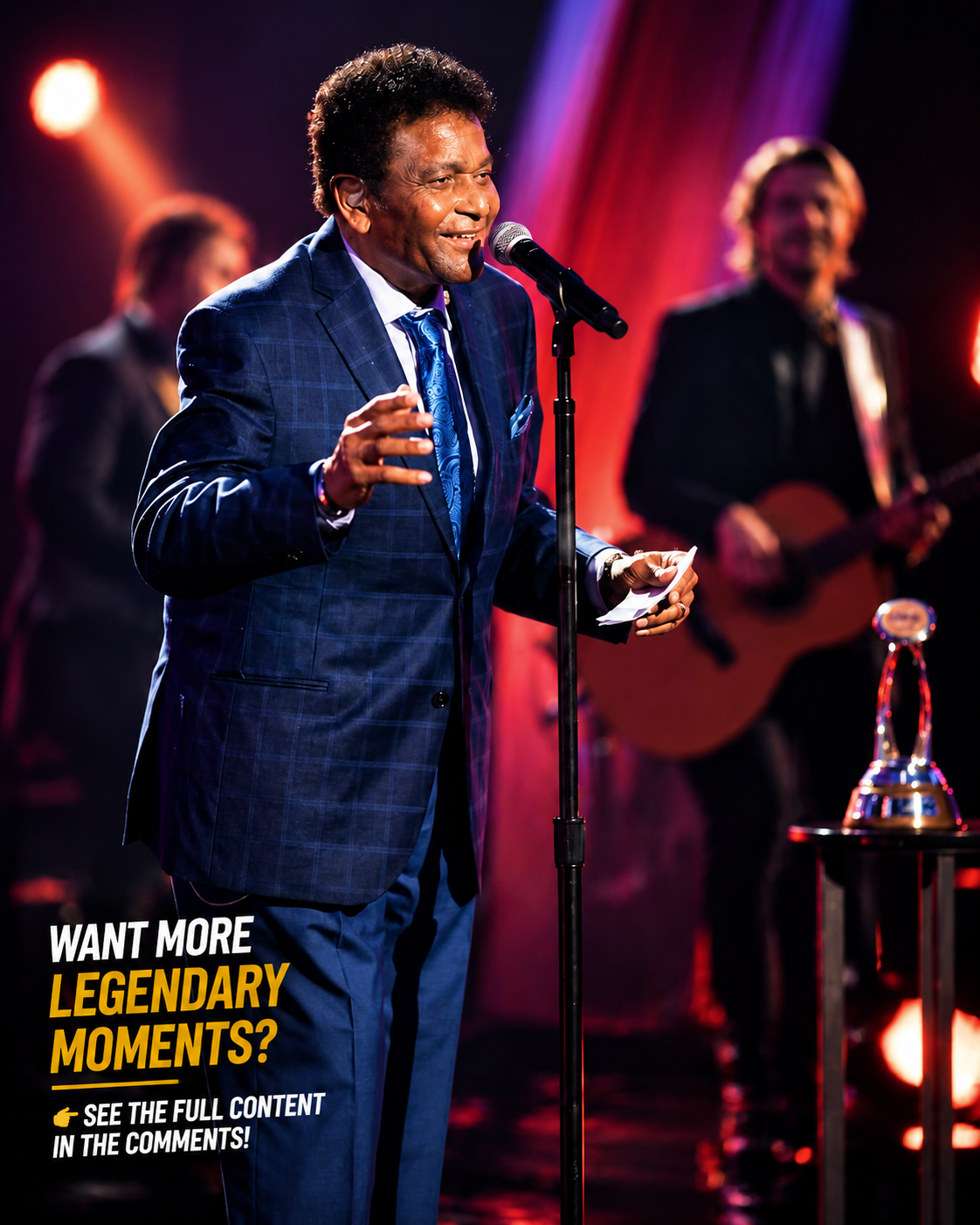
Few moments in country music history have carried the emotional weight of Charley Pride’s appearance at the 2020 CMA Awards. It was a night intended to celebrate a remarkable career, but it would later be remembered for much more. Standing before fellow artists and millions of viewers, Charley Pride accepted one of the genre’s highest honors and delivered a performance that would become one of the final public chapters of his extraordinary life.
For fans, the evening was both a celebration of a pioneer and, in hindsight, a farewell that no one realized was coming.
A Lifetime of Achievement Recognized
On November 11, 2020, Charley Pride stepped onto the CMA Awards stage to receive the Willie Nelson Lifetime Achievement Award. At 86 years old, he had already secured his place among the greatest figures in country music history.
The honor recognized decades of accomplishments that stretched far beyond chart success. Pride had broken barriers, challenged expectations, and built a career that reshaped what country music could be. Through determination, talent, and authenticity, he became one of the most successful and influential artists the genre had ever seen.
For many fans and industry professionals, the award felt less like a new achievement and more like long-overdue recognition of a legacy that had transformed country music.
The Song That Defined a Career
After accepting the award, Pride chose to do something special.
Returning to a Classic
Rather than simply accepting the honor and leaving the stage, he performed “Kiss an Angel Good Mornin’,” the song that helped make him a household name. Released in 1971, the hit became one of the most recognizable songs in country music and remains closely connected to his legacy.
The performance served as a reminder of the journey that had brought him there. From humble beginnings in Mississippi to becoming a country music superstar, Pride’s story was one of perseverance and groundbreaking achievement.
Changing Country Music Forever
When Charley Pride entered the industry, opportunities for Black artists in mainstream country music were limited. Yet his talent proved impossible to ignore.
His records sold in huge numbers. His songs topped charts. His voice connected with listeners across the country. Many fans first discovered him through radio broadcasts, appreciating the music before ever seeing the artist behind it.
In doing so, Pride challenged long-held assumptions and demonstrated that country music’s core values—honesty, emotion, and storytelling—could transcend barriers.
A Humble Legend Takes the Stage
One of the most memorable parts of the evening came before the music even began.
Pride openly admitted that he felt nervous and that his voice was not as strong as it once had been. The confession surprised many viewers. After decades of performances and countless accolades, he remained humble enough to acknowledge the significance of the moment.
A Powerful Symbol Beside Him
Joining Pride on stage was rising country artist Jimmie Allen.
Their shared performance carried meaning beyond the music itself. Allen represented a new generation of Black country artists, while Pride represented the trailblazer who had opened doors years earlier.
The image of the two men standing together became one of the evening’s most powerful visuals. It symbolized progress, respect, and the connection between generations.
As Pride sang and Allen supported him, the audience seemed to recognize the importance of the moment. For a few minutes, country music paused to celebrate one of its greatest pioneers while he was still present to receive that appreciation.
When Celebration Turned to Heartbreak
Just over a month later, everything changed.
Thirty-One Days Later
On December 12, 2020, Charley Pride passed away in Dallas due to complications related to COVID-19.
The news shocked the country music community. Fans who had watched him perform at the CMA Awards only weeks earlier suddenly realized they had witnessed one of his final public appearances.
What had initially been viewed as a joyful tribute now carried a deeper emotional significance.
Questions That Followed
Following Pride’s passing, some artists and fans raised concerns about safety measures surrounding the event. Public discussions emerged regarding whether enough precautions had been taken during the pandemic.
The Country Music Association stated that health protocols had been implemented. Nevertheless, many people found it difficult to separate the celebration from the tragic timing that followed.
Those conversations continued long after the ceremony ended, adding another layer to an already emotional chapter in country music history.
A Final Appearance That Still Resonates
The lasting impact of Charley Pride’s final CMA appearance comes from its complexity.
It was a celebration of achievement. It was a reminder of a groundbreaking career. It was also an event viewed through the lens of an unexpected loss.
Some see the performance as a gift—a final opportunity for fans to witness a legend on stage. Others continue to wonder whether circumstances could have been different. Both perspectives remain part of the conversation.
What cannot be disputed is the significance of the moment itself.
Conclusion
Charley Pride’s final appearance at the CMA Awards remains one of the most moving scenes in modern country music. It was not remembered because it was flawless or dramatic. It endured because it captured something genuine.
An 86-year-old pioneer stood before the industry he helped change, accepted a lifetime honor, and sang the song that had become part of country music history. In those final moments on the CMA stage, Charley Pride reminded everyone why his influence reached far beyond records, awards, or chart positions.
His voice may have grown older, but his impact on country music remains timeless.