The Hidden Struggle Charley Pride Carried While Making Country Music History
Introduction
To millions of listeners, Charley Pride represented confidence, warmth, and resilience. His voice traveled across radios and concert halls with a calm strength that made every song feel genuine. Fans heard a performer who seemed completely in control, a man whose success appeared steady and unstoppable.
Yet behind the awards, chart success, and standing ovations was a deeply personal battle that few people knew about. During one of the most important periods of his career, Charley Pride found himself facing a mental health crisis that threatened to derail everything he had worked so hard to achieve.
A Rising Star Under Extraordinary Pressure
By the late 1960s, Charley Pride was accomplishing something remarkable in country music. Raised in Sledge, Mississippi, he had worked his way from humble beginnings to become one of the genre’s fastest-rising stars.
His records were finding audiences across the country, and his smooth, unmistakable voice was winning over listeners everywhere. But success came with challenges that extended far beyond music. Pride was breaking barriers in an industry where acceptance did not always come easily, and the expectations placed upon him continued to grow.
While the public saw a confident performer, the pressure behind the scenes was becoming increasingly difficult to carry.
The Turning Point in Germany
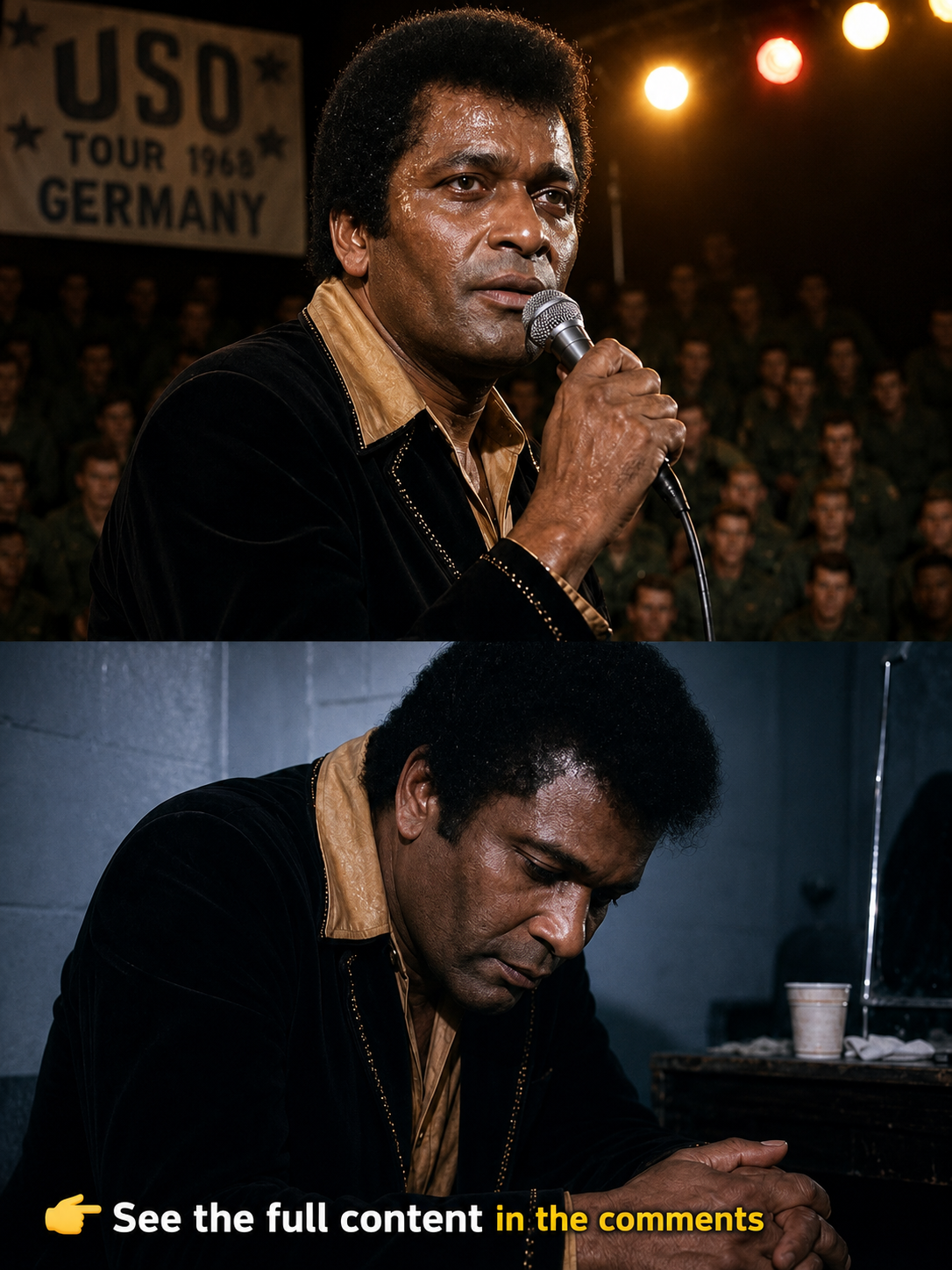
In 1968, Pride traveled to Germany to perform for American servicemen stationed overseas. On stage, he delivered the same professionalism and warmth that audiences had come to expect.
Offstage, however, something had begun to change.
Sleep became difficult to find. Night after night, exhaustion grew worse. What started as insomnia slowly developed into something far more serious. Anxiety and fear followed, creating a sense of confusion that made everyday life feel unfamiliar and unsettling.
Those around him could tell that something was wrong, but understanding the problem was not easy. Mental health conditions were rarely discussed openly during that era, and many people lacked the knowledge needed to recognize what was happening.
Eventually, the situation became severe enough that Pride required medical care.
Receiving a Diagnosis
Doctors later identified the cause of his struggle: bipolar disorder.
At just 34 years old, Pride suddenly found himself facing a challenge that would remain part of his life for decades. The diagnosis provided answers, but it also marked the beginning of a new journey—one that required treatment, patience, and ongoing management.
For a performer whose career depended on consistency and public appearances, the reality of living with the condition was anything but simple.
Living With an Invisible Illness
One reason many fans never realized what Pride was experiencing is that he rarely allowed his private difficulties to become public spectacles.
His music continued to project strength and optimism. He recorded songs, toured extensively, and maintained the professionalism that had earned him widespread respect.
Behind the scenes, however, he was learning how to navigate the highs and lows associated with bipolar disorder. Treatment became an important part of his life, and he worked hard to maintain stability while continuing his career.
Throughout those years, his wife, Rozene Pride, remained a constant source of support, standing beside him through challenges that few outsiders fully understood.
Speaking About the Battle Years Later
For much of his career, Pride chose not to discuss his condition in detail. It was only later that he shared more about his experience, offering readers a glimpse into the reality behind the public image.
When he reflected on those difficult years, he did not portray the story as a simple triumph or an easy victory. Instead, he acknowledged the complexity of living with a serious mental health condition while pursuing a demanding career.
His honesty helped reveal a side of his life that had long remained hidden behind the spotlight.
The Strength Found in Silence
Even with those later revelations, Pride rarely spoke extensively about the darkest moments surrounding his breakdown in Germany. He never turned his suffering into a defining chapter of his public identity.
Perhaps he preferred to let the music speak for itself. Perhaps some memories remained too personal to revisit fully.
Whatever the reason, his quiet approach only adds greater meaning to the story. Rather than allowing hardship to define him, he focused on moving forward.
Conclusion
Charley Pride’s legacy is often celebrated for the records he sold, the barriers he broke, and the unforgettable voice that helped reshape country music. Those accomplishments alone would have secured his place in history.
But another part of his story deserves recognition as well.
He faced a serious and largely invisible struggle at a time when mental health was rarely discussed openly. He endured uncertainty, sought treatment, and continued building one of the most influential careers in country music.
That perseverance may be one of his greatest achievements. Long after the applause faded, it remains a powerful reminder that true strength is often found in the battles no one else can see.