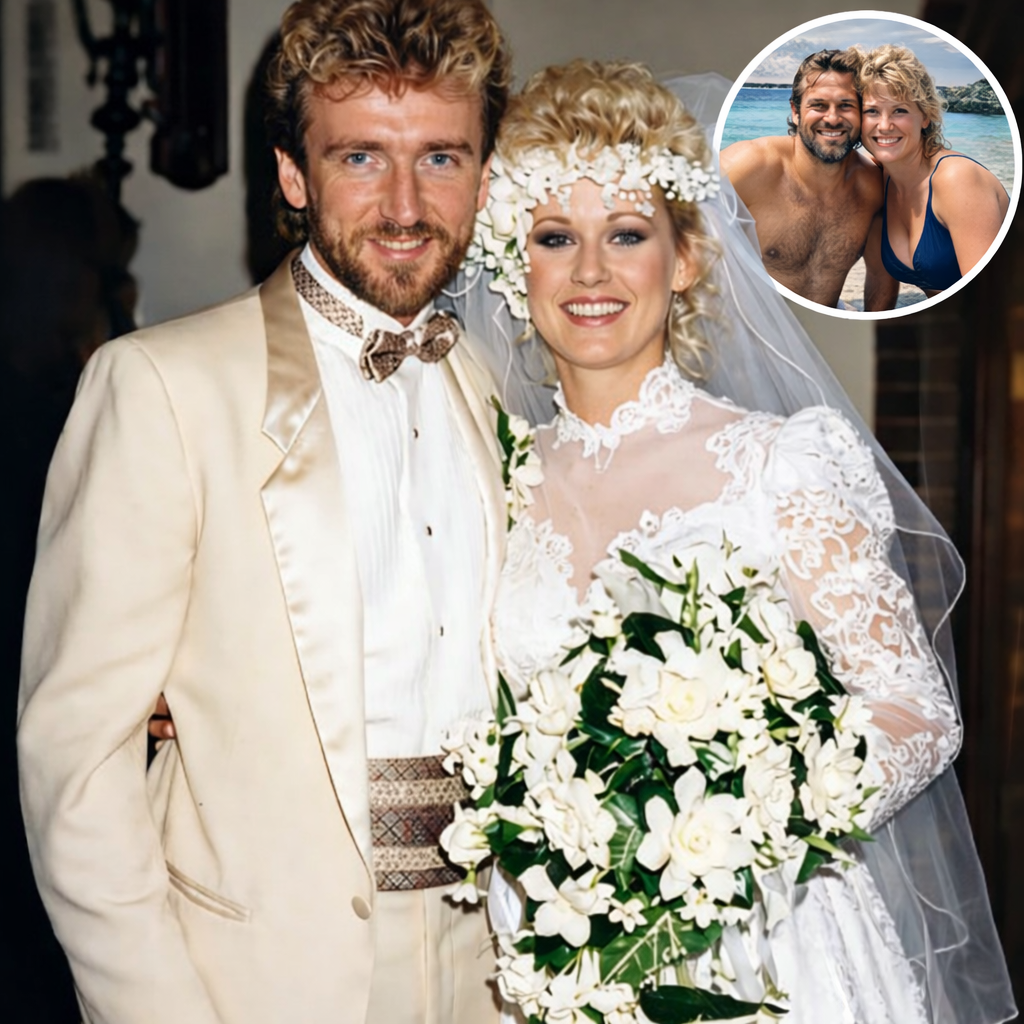
By the late 1980s, Keith Whitley had become one of the most respected voices in country music. In just a handful of years, he achieved what many artists spend decades chasing — chart-topping success, industry admiration, and a fiercely loyal fanbase. Hits like “Don’t Close Your Eyes” and “When You Say Nothing at All” showcased his extraordinary ability to communicate raw emotion with quiet power. He didn’t rely on flashy performances or dramatic vocal runs. Instead, he let sincerity do the work. In Nashville, his name was spoken with reverence, as though everyone knew they were witnessing a rare kind of greatness.
When “I’m No Stranger to the Rain” climbed to No. 1 on the Billboard country chart in early 1989, it seemed like another milestone in a career destined for legendary status. On the surface, it was a triumph — proof that Keith Whitley had firmly arrived as one of the genre’s defining artists. Yet, listening to the song today feels almost unbearable. Its lyrics speak of struggle, resilience, and the quiet endurance of pain. Whitley’s voice carries a depth that feels intensely personal, as if he had already fought the battles the song describes long before stepping behind the microphone.
A Voice Nashville Could Never Ignore
There was a reason so many compared Keith Whitley to the genre’s most revered traditionalists. He could sound heartbreakingly tender without losing strength. He could express vulnerability without ever sounding weak. That delicate balance is something few singers ever achieve. Legendary producer Norro Wilson once captured this contradiction perfectly when he said:
“God gave him the voice — but forgot to give him the armor.”
Those words remain one of the most haunting reflections on Whitley’s life and legacy. His gift was undeniable. So was the sensitivity that made him both a brilliant artist and a deeply human soul.
Despite the success, Keith Whitley’s personal struggles were no secret to those closest to him. Fame did not erase his inner battles. If anything, the pressures of rising stardom seemed to exist alongside a quiet pain that never fully loosened its grip. Friends and collaborators often described him as a man of two worlds — a confident performer on stage and someone privately wrestling with challenges that talent alone could not overcome.
The Day Country Music Changed Forever
On May 9, 1989, tragedy struck. Keith Whitley was found lifeless in his Nashville home. He was only 33 years old. The shock rippled through the country music community like an earthquake. How could a voice that sounded timeless disappear so suddenly? Fans were left stunned, grieving not just the loss of a star, but the loss of a future that had seemed limitless.
His wife, fellow country singer Lorrie Morgan, was on tour when she received the devastating news. One phone call separated ordinary life from unimaginable heartbreak. To the public, Keith Whitley was a chart-topping artist with a golden voice. To Morgan, he was a husband, a partner, and the center of dreams that vanished overnight.
Why the Song Still Echoes Today
After Whitley’s passing, his music took on an entirely new meaning. Listeners returned to “I’m No Stranger to the Rain” and heard something they hadn’t fully grasped before. What once sounded like strength began to feel like a warning. What once felt like a resilient anthem became a haunting reflection of a life cut tragically short.
In the years that followed, Lorrie Morgan recorded a duet built around Whitley’s unreleased vocals. The song charted, but for many fans, hearing his voice again was both comforting and chilling. It still carried warmth. It still sounded present — as if he might walk back into the room at any moment to finish the verse. That eerie sense of immediacy is part of what keeps his legacy alive.
Keith Whitley’s importance to country music goes far beyond the hits he recorded or the awards he earned. His music captured a truth that fans instantly recognize: sometimes the strongest voices carry the deepest wounds. Sometimes the songs that heal millions are born from struggles few people ever see. And sometimes a No. 1 single becomes something greater than commercial success — it becomes an echo of a life that ended far too soon.
Today, when “I’m No Stranger to the Rain” plays on the radio or drifts through a honky-tonk jukebox, it still feels alive. That is the miracle of Keith Whitley’s voice. It transcends time. It refuses to fade into silence. And in that lingering sound lies both the greatest gift he left behind… and the quiet heartbreak that ensures country music will never forget him.