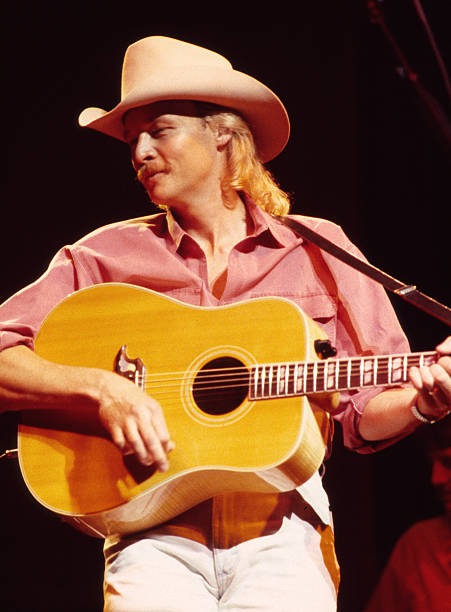
Music That Gets Better Over Time: Alan Jackson’s Timeless Appeal
Introduction
Few country artists have captured the hearts of listeners across decades quite like Alan Jackson. Known for his distinctive voice and traditional country sound, Jackson has built a career that demonstrates not just fleeting popularity but enduring musical relevance. From his breakthrough in the late 1980s to his continued influence today, his music resonates more deeply over time, appealing to both longtime fans and new generations discovering the charm of classic country.
Early Life and Career Beginnings
Alan Eugene Jackson was born on October 17, 1958, in Newnan, Georgia. Growing up in a small town, Jackson developed a love for country music at an early age, inspired by artists like Hank Williams and George Jones. Before fame, he balanced a working life as a truck driver with songwriting, honing a style rooted in sincerity and simplicity.
His professional breakthrough came in 1989 when he signed with Arista Nashville. Jackson’s debut album, Here in the Real World, showcased a dedication to traditional country, blending honky-tonk rhythms with heartfelt storytelling—a formula that would define his career.
Musical Style and Signature Sound
Alan Jackson is celebrated for a classic country sound that blends honky-tonk, Western swing, and neotraditional elements. His music is characterized by:
- Authentic storytelling: Jackson’s lyrics often explore love, life in rural America, and personal reflection.
- Simple yet evocative instrumentation: Predominantly guitars, fiddle, and steel guitar create a timeless backdrop.
- Warm, recognizable vocals: His smooth, approachable tone conveys emotion without overproduction, making his music feel intimate and relatable.
Unlike artists who chase trends, Jackson maintains a consistent sound that strengthens over time, allowing listeners to rediscover nuances in his music years after its release. This longevity is a key reason his songs often feel “better with age.”
Career Highlights and Achievements
Throughout his career, Alan Jackson has garnered numerous accolades, cementing his legacy:
- RIAA Certifications: Over 75 million records sold worldwide.
- Billboard Success: Multiple number-one hits including Chattahoochee, Gone Country, and Where Were You (When the World Stopped Turning).
- Awards: 16 Country Music Association (CMA) awards, 2 Grammy Awards, and induction into the Country Music Hall of Fame in 2017.
These achievements reflect not just popularity but lasting impact—listeners continue to engage with his catalog decades after release, an indicator of enduring musical quality.
Influence on Country Music
Alan Jackson’s commitment to traditional country paved the way for a resurgence of neotraditional country in the 1990s, influencing artists like George Strait, Brooks & Dunn, and contemporary performers seeking authenticity. His ability to merge commercial success with traditional sensibilities demonstrates that music does not need to compromise its roots to endure.
His signature storytelling style has inspired countless songwriters, emphasizing clarity, emotion, and relatability over spectacle. This influence has helped maintain country music’s connection to its cultural origins while appealing to mainstream audiences.
Music That Improves Over Time
A hallmark of Jackson’s work is how well it ages:
- Timeless Themes: Songs about love, family, and everyday life remain relevant across generations.
- Emotional Resonance: Lyrics often deepen in meaning with listeners’ life experiences, offering new insights as time passes.
- Production Choices: Minimalist, traditional instrumentation avoids era-specific gimmicks, allowing the music to sound fresh decades later.
Listeners often note that revisiting Jackson’s albums feels like uncovering layers previously unnoticed, whether it’s a subtle guitar riff, lyrical nuance, or vocal inflection, confirming that some music truly gets better over time.
Legacy and Continuing Relevance
Even in the 2020s, Alan Jackson continues to release music and perform live, demonstrating the staying power of his sound. His enduring appeal lies in his ability to bridge the past and present, connecting traditional country sensibilities with modern audiences. For fans new and old, his music serves as a reminder of the value of authenticity, storytelling, and timeless craftsmanship.
Conclusion
Alan Jackson exemplifies the rare artist whose work grows richer with each listen. Through decades of consistent artistry, he has created a catalog that remains both relevant and rewarding. His influence on country music, combined with his enduring dedication to traditional sounds, ensures that his music will continue to resonate for generations. Whether experienced in youth or revisited later in life, Jackson’s songs consistently demonstrate that some music is truly timeless.
SEO & Website Details
SEO Title: Music That Gets Better Over Time: Alan Jackson’s Timeless Country Legacy
Meta Description: Discover how Alan Jackson’s music continues to resonate decades later. Explore his career, achievements, and why his songs get better with time.
Slug URL: alan-jackson-music-gets-better-over-time
Alternative Subheadings:
- Why Alan Jackson’s Music Stands the Test of Time
- The Enduring Appeal of Alan Jackson’s Country Classics
- How Alan Jackson Redefined Timeless Country Music
Sources:
- Billboard: Alan Jackson Chart History
- RIAA: Alan Jackson Certifications
- Country Music Hall of Fame: Alan Jackson Induction Profile
- Rolling Stone: Alan Jackson Retrospective Articles
- Official Website: alanjackson.com