Patsy Cline Turned Pain Into Perfection When She Recorded “Crazy”
Introduction
Some performances transcend their time, becoming timeless not through spectacle, but through raw emotion and human experience. Patsy Cline’s recording of “Crazy” is one of those moments. In 1961, just weeks after surviving a life-threatening car accident, Cline returned to the studio to create a performance that would become one of the most unforgettable in country music history. Her voice transformed a song into a living expression of resilience, heartbreak, and artistry.
A Song That Did Not Come Easily
“Crazy” was written by Willie Nelson, then a largely unknown songwriter. Unlike the typical country hits of the era, its phrasing was unconventional and its emotional subtlety demanded nuance. The song blended elements of jazz and pop with country, making it deceptively difficult to perform.
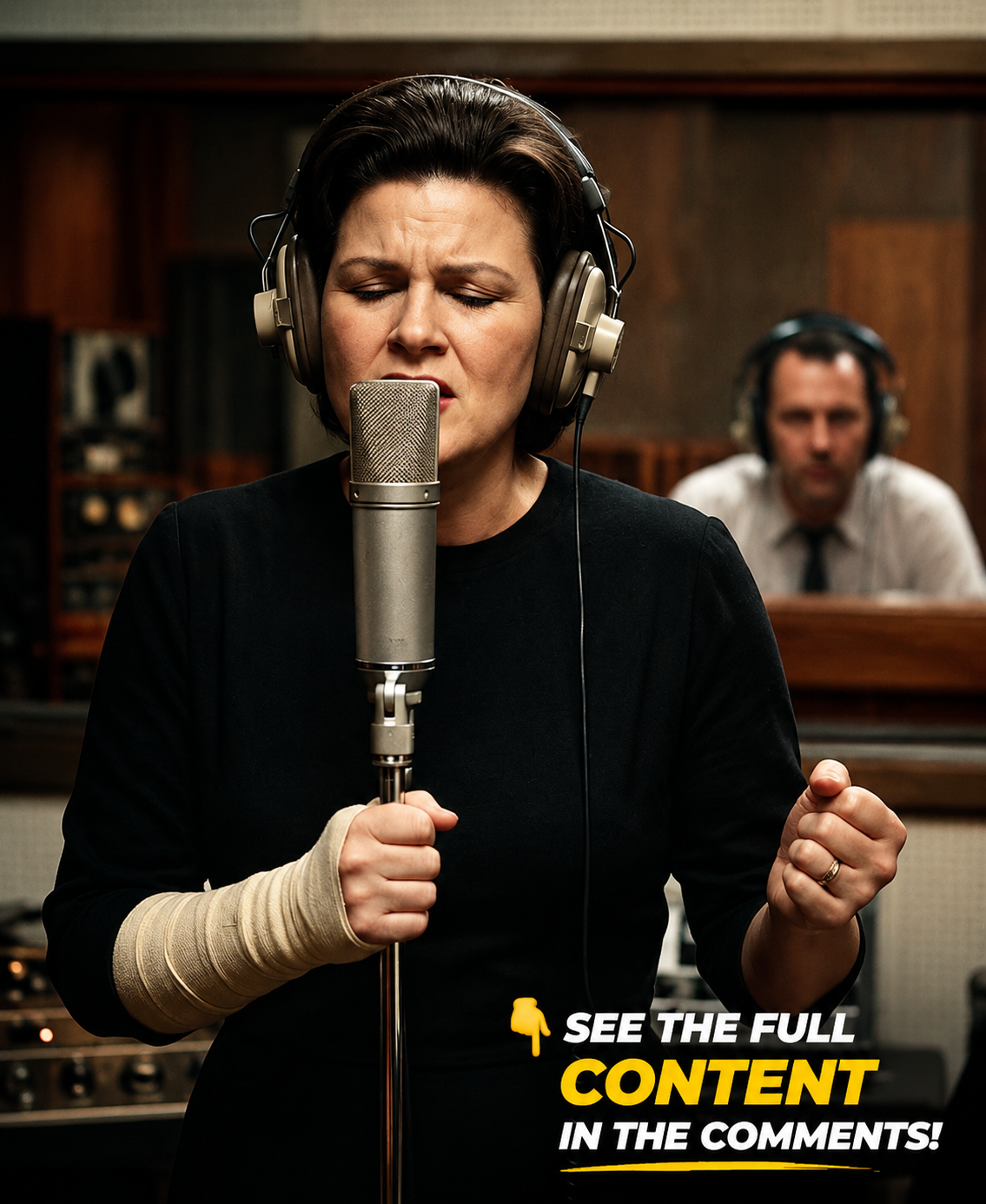
Cline’s first attempt in the studio was interrupted by physical pain. Recovering from a severe car crash, she was struggling with broken ribs, a dislocated hip, a broken wrist, and a deep forehead wound. Singing certain notes caused her discomfort, forcing the session to pause. While the musicians refined the arrangement, Cline had to step away, leaving the song unfinished—for now.
The Return That Changed Everything
After allowing more time for her body to heal, Patsy Cline returned to the studio. She was still physically limited, still carrying the weight of the accident. Yet in the recording of the final vocal, she achieved something extraordinary: she turned her limitations into expression.
Remarkably, the definitive vocal for “Crazy” was captured in a single take. The performance feels effortless, controlled, and deeply human. There is an authenticity in her voice—a wounded elegance—that continues to resonate decades later. Unlike a contrived or theatrical performance, every note carries lived experience, making the song profoundly relatable.
Why “Crazy” Still Feels Different
Many artists record great songs. Few transform them entirely. Patsy Cline did exactly that with “Crazy.” While Willie Nelson provided the composition, it was Cline who gave the song its heartbeat, its face, and its permanent place in American music.
The power of the recording lies in timing. Cline’s voice was not depicting imagined sorrow; it emerged from real trauma and recovery. Every listener, knowingly or not, senses the authenticity. This is why “Crazy” has endured—not because it was polished to perfection, but because it was sung with unmanufactured truth.
A Voice That Refused to Break
The image of Patsy Cline standing at the microphone, still recovering yet unwavering in her resolve, has become almost cinematic. But the lasting legacy is not the drama of the session—it is the performance itself.
When the final note faded, Cline had done more than complete a single. She had turned pain, discipline, and instinct into art that remains immediate and affecting more than sixty years later. Legends sometimes grow through myth; Cline’s legend persists because the recording itself proves her strength and artistry. Beneath the smooth, timeless vocal, one can hear the quiet determination of a woman who could have stopped—but chose to sing anyway.
Conclusion
“Crazy” is unforgettable because it captures a moment of human resilience in music. Patsy Cline’s voice, forged through pain and perseverance, transformed a song into a timeless performance. Her artistry reminds us that true power in music comes not from perfection, but from authenticity, emotion, and the courage to sing even when every reason says otherwise.