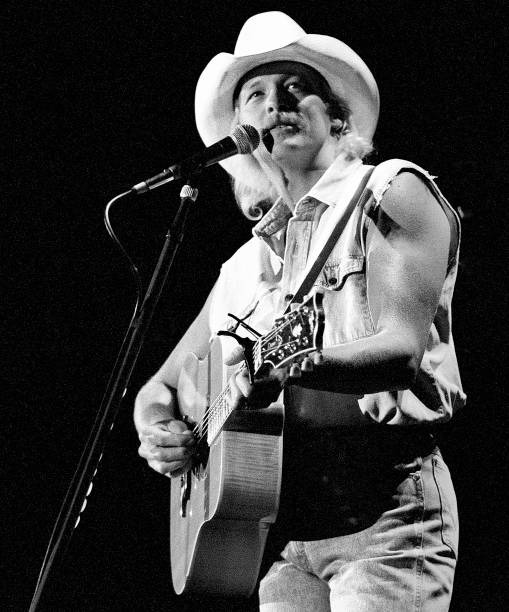
The Formula Behind Timeless Songs: Why Alan Jackson Still Resonates Across Generations
Introduction
No big production, no dramatic build—just a few notes that feel easy, almost too familiar. That’s often how a song by Alan Jackson begins. And strangely, that simplicity is exactly why it lasts.
In an industry that constantly chases trends, Jackson’s music has remained steady, rooted in something more enduring than chart formulas or viral moments. His songs don’t demand attention—they earn it over time. Listeners return to them not because they’re loud or groundbreaking, but because they feel real.
So what exactly is the formula behind timeless songs? And why do Alan Jackson’s tracks continue to connect, even decades after their release?
The Core of Timelessness: Simplicity That Feels Personal
One of the most defining elements of Alan Jackson’s music is its simplicity. Unlike heavily layered productions, his songs often rely on clean arrangements—acoustic guitars, subtle steel guitar, and a steady rhythm section.
But simplicity alone isn’t enough. What makes it powerful is clarity of emotion.
Jackson’s lyrics focus on everyday experiences:
- Love that doesn’t always work out
- Small-town life
- Faith, family, and memory
Songs like “Remember When” and “Drive (For Daddy Gene)” don’t try to impress with complexity. Instead, they present moments that feel lived-in. That familiarity allows listeners to project their own experiences onto the music.
According to Country Music Hall of Fame, storytelling has always been central to country music tradition—and Jackson stands as one of its most consistent modern practitioners.
Consistency Over Trends: A Career Built on Identity
In a career spanning over three decades, Alan Jackson has resisted the urge to chase industry shifts. While many artists evolve toward pop or crossover sounds, Jackson has largely stayed within traditional country frameworks.
This consistency has had two major effects:
1. Trust from the Audience
Listeners know what to expect. His music becomes a reliable emotional space—something familiar in a fast-changing world.
2. Longevity Over Virality
Rather than short-term spikes, Jackson’s catalog builds long-term listening value.
Data from Billboard shows that Jackson has achieved over 35 No.1 hits on the Hot Country Songs chart—evidence not just of popularity, but sustained relevance across different eras.
The Role of Authentic Storytelling
Timeless songs often share one trait: they sound honest. Alan Jackson’s writing reflects his own life, upbringing, and values. Born in Georgia, he grew up surrounded by gospel music and traditional country influences.
This background shapes his lyrical voice:
- Direct, conversational language
- Minimal metaphor, maximum clarity
- Emotional restraint rather than exaggeration
For example, “Where Were You (When the World Stopped Turning)”—written after the events of September 11—became one of his most impactful songs. It didn’t attempt to explain tragedy; it simply asked questions many people were already thinking.
Rolling Stone has noted that Jackson’s strength lies in “understatement”—a rare quality in modern songwriting where bigger often tries to mean better.
Melody That Ages Well
Another key part of the formula is melody.
Timeless songs tend to avoid extremes. They don’t rely on:
- Overly complex vocal runs
- Aggressive production techniques
- Trend-driven sonic effects
Instead, they use balanced, memorable structures. Jackson’s melodies often follow traditional country phrasing, making them easy to remember and revisit.
This is why listeners experience something interesting:
A song may not hit hard on first listen—but it stays.
Over time, familiarity turns into emotional attachment.
Cultural Context and Musical Roots
Alan Jackson’s music is deeply tied to the roots of country music:
- Honky-tonk rhythms
- Gospel influences
- Story-driven songwriting
By maintaining these elements, his work acts as a bridge between generations. Younger listeners discover authenticity, while older audiences recognize tradition.
The RIAA has certified multiple Jackson albums as multi-platinum, reflecting not just commercial success but cultural staying power.
Emotional Timing: Why Songs “Wait” for You
One of the most overlooked aspects of timeless music is timing.
Some songs don’t fully connect until life catches up with them.
A listener might hear a track years earlier and feel nothing special. Then, after a personal experience—a loss, a memory, a milestone—the same song suddenly feels different.
Alan Jackson’s catalog is particularly effective in this way because:
- His themes are universal
- His lyrics are open enough for interpretation
- His delivery avoids forcing emotion
The result is music that adapts to the listener, rather than demanding a fixed meaning.
Influence and Legacy
Alan Jackson’s impact extends beyond his own recordings. He has influenced a generation of artists who aim to preserve traditional country elements in a modern industry.
His induction into the Country Music Hall of Fame confirms his role as a foundational figure in the genre.
More importantly, his music continues to be:
- Covered by emerging artists
- Played across multiple generations
- Used in cultural and personal moments alike
That’s the clearest sign of timelessness—not just popularity, but continued relevance without reinvention.
Conclusion
The formula behind timeless songs isn’t complicated—but it’s difficult to execute.
Alan Jackson’s music shows that longevity comes from:
- Simplicity with purpose
- Honest storytelling
- Consistent artistic identity
- Melodies that prioritize connection over impact
In a world where music often tries to capture attention instantly, his songs take a different path. They stay quiet, waiting—until the right moment makes them unforgettable.
And maybe that’s the real formula:
Not making songs that everyone notices right away, but creating ones that people come back to—again and again, for years.
SEO Title
The Formula Behind Timeless Songs: Why Alan Jackson’s Music Still Matters Today
Meta Description
Discover why Alan Jackson’s songs remain timeless. Explore the formula behind his lasting success, from authentic storytelling to simple, powerful melodies.
Slug URL
alan-jackson-timeless-songs-formula
Alternative Subheadings
- Why Simple Songs Last Longer Than Trends
- The Secret Behind Alan Jackson’s Enduring Sound
- How Authentic Storytelling Creates Timeless Music
Sources
- Billboard
- Rolling Stone
- RIAA (Recording Industry Association of America)
- Country Music Hall of Fame
- Official Alan Jackson Website