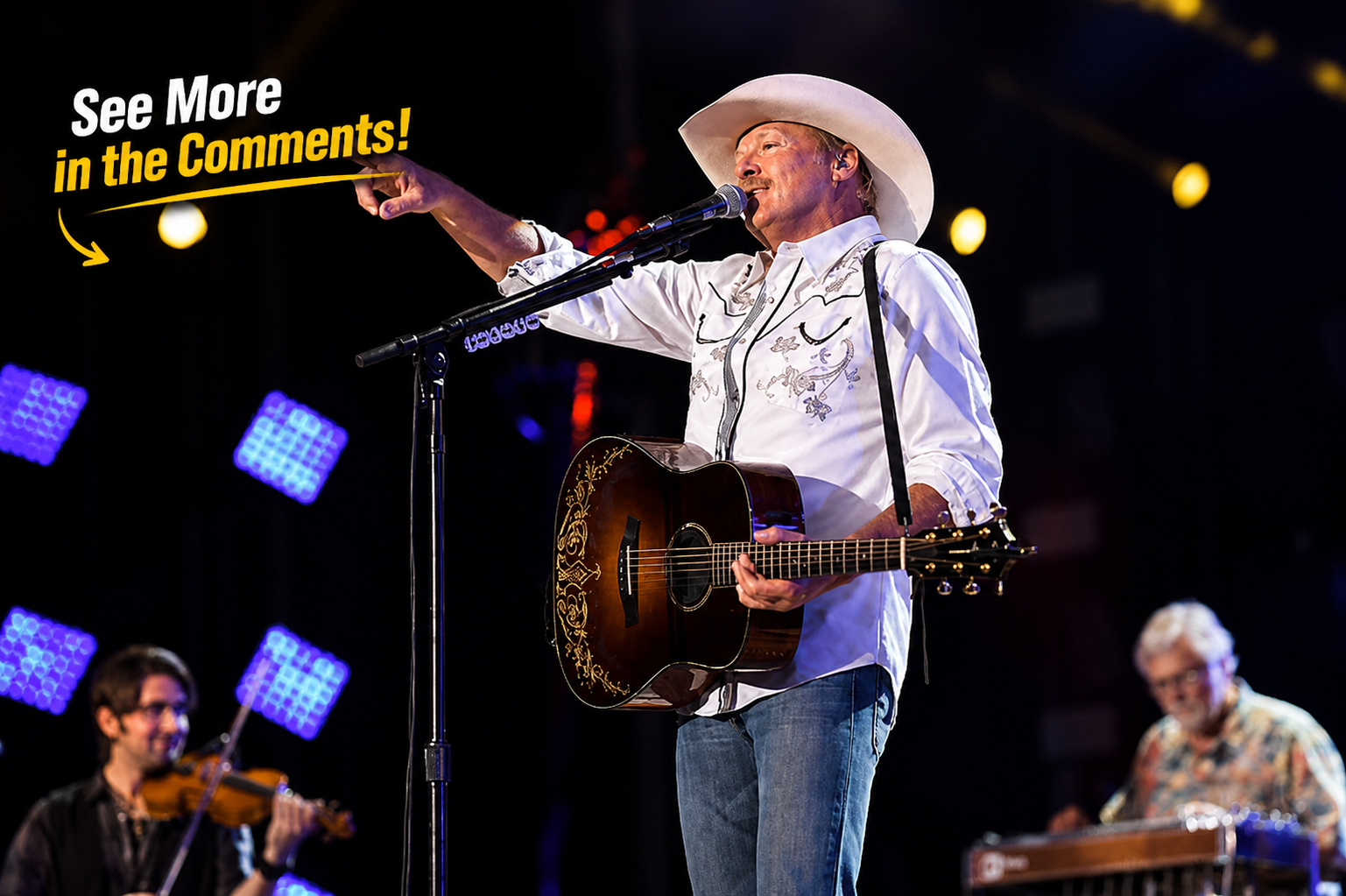
The Gap Between Classic and Modern Country: Alan Jackson and the Sound of a Changing Genre
Introduction
Country music has never stood still, but the distance between its traditional roots and its modern commercial sound has become more noticeable over the past few decades. At the center of this discussion is Alan Jackson, an artist widely recognized for preserving a classic country style while the genre around him evolved toward pop-influenced production and crossover appeal.
Understanding this gap is not just about comparing old and new sounds. It is about tracing how storytelling, instrumentation, and production values have shifted—and why artists like Alan Jackson remain essential reference points in that conversation.
Alan Jackson and His Place in Country Music History
Alan Jackson emerged in the late 1980s and rose to prominence in the early 1990s as part of the “neo-traditionalist” movement in country music. Unlike many contemporaries who leaned toward pop-country fusion, Jackson emphasized storytelling, steel guitar, fiddle, and a vocal style rooted in classic honky-tonk traditions.
Across his career, he has achieved major commercial and critical success, including multiple Grammy Awards, CMA honors, and induction into the Country Music Hall of Fame. His catalog includes enduring hits such as “Chattahoochee,” “Remember When,” and “Drive (For Daddy Gene),” songs that reflect everyday life, family, and small-town identity.
His consistency in sound and subject matter has made him a reference point for what many listeners consider “traditional country.”
What Defines Classic Country vs Modern Country?
To understand the gap, it is important to define what separates classic and modern country music.
Classic Country Characteristics
Classic country music—often associated with artists from the mid-20th century through the 1990s—tends to emphasize:
- Acoustic and traditional instruments (steel guitar, fiddle, banjo)
- Narrative songwriting focused on everyday life and emotional storytelling
- Minimal production layering
- Strong ties to folk, blues, and Appalachian influences
This style prioritizes lyrical honesty over commercial polish.
Modern Country Characteristics
Modern country, especially from the 2000s onward, has expanded into a more blended genre. It often includes:
- Pop, rock, and hip-hop production influences
- Heavy digital editing and polished sound design
- Broader lyrical themes, sometimes less rooted in rural storytelling
- Collaboration with mainstream pop artists
While this evolution has increased global reach, it has also created debate about whether the genre is moving away from its roots.
Alan Jackson’s Role in Bridging the Divide
Alan Jackson is often discussed as a bridge between traditional and modern country music—not because he changed his style to match trends, but because he maintained a consistent artistic identity while the industry changed around him.
In the 1990s and early 2000s, when country music increasingly embraced pop crossover production, Jackson remained committed to classic instrumentation and storytelling. Albums like Who I Am and Drive demonstrate this balance: commercially successful but still deeply rooted in traditional country values.
His performance at the CMA Awards in 2001, where he delivered a heartfelt tribute to the events of September 11 through “Where Were You (When the World Stopped Turning),” also highlighted his ability to connect traditional songwriting with contemporary emotional context.
According to industry coverage from outlets like Billboard and Rolling Stone, Jackson’s work is frequently cited as a standard for authenticity in country music discussions.
The Industry Shift: Why the Gap Exists
The widening gap between classic and modern country is not accidental—it reflects broader changes in the music industry.
1. Commercial Expansion
As country music became more commercially global, record labels increasingly prioritized crossover appeal. This led to smoother production styles designed for radio play beyond traditional country audiences.
2. Technology and Production
Digital audio workstations, auto-tune, and layered production techniques changed how country music sounds. The raw, live feel of earlier recordings gradually gave way to highly produced tracks.
3. Audience Evolution
Modern listeners consume music through streaming platforms where genre boundaries are less rigid. This encourages blending styles but also dilutes strict traditional definitions.
4. Cultural Shifts
Country music has always reflected cultural identity. As American culture has diversified and urbanized, the themes and sounds of country music have also expanded beyond rural narratives.
Why Alan Jackson Still Matters Today
Alan Jackson’s relevance today lies in what he represents rather than what he changes. He serves as a benchmark for authenticity in a genre that is constantly evolving.
For many listeners and critics, his music provides:
- A reference point for traditional country sound
- A reminder of lyrical storytelling as the genre’s foundation
- A contrast to highly produced modern tracks
- A living connection to 1990s country identity
Even as modern country continues to evolve, Jackson’s catalog remains frequently referenced in discussions about what “real country music” sounds like.
Conclusion
The gap between classic and modern country is not simply a divide—it is a reflection of the genre’s growth, experimentation, and commercial expansion. Artists like Alan Jackson play a crucial role in preserving the identity of traditional country music while the industry explores new directions.
Rather than viewing the gap as a conflict, it can be understood as a spectrum. On one end lies the storytelling-driven, instrument-rich tradition of classic country; on the other, the genre-blending, production-heavy sound of modern country. Alan Jackson stands firmly in the middle as a reminder of where the genre came from and why its roots still matter.
SEO Elements
1. SEO Title
Alan Jackson and the Gap Between Classic and Modern Country Music
2. Meta Description
Explore how Alan Jackson highlights the differences between classic and modern country music, and why his traditional style remains influential today.
3. URL Slug
alan-jackson-classic-vs-modern-country-gap
4. Alternative Headlines
- Why Alan Jackson Represents the Divide in Country Music
- Classic vs Modern Country: Understanding the Evolution Through Alan Jackson
- How Alan Jackson Preserves Traditional Country in a Changing Industry
5. Sources
- Billboard (industry charts, artist coverage)
- Rolling Stone (country music analysis and features)
- RIAA (certifications and sales data)
- Country Music Hall of Fame (artist recognition and historical context)