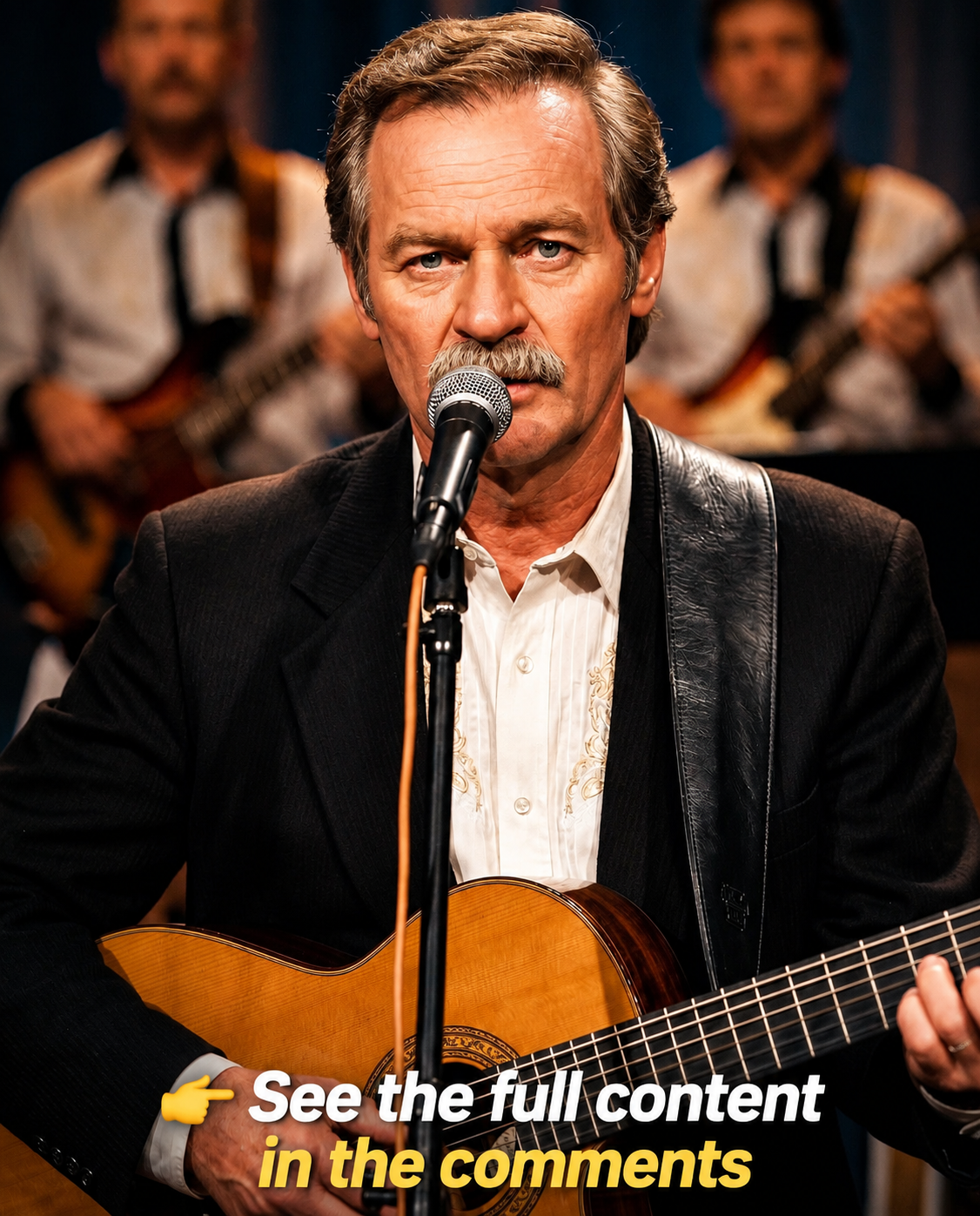
The Night Charley Pride Changed Country Music Forever at the Grand Ole Opry
Introduction
Some nights in music history become legendary not because of elaborate productions or record-breaking crowds, but because they quietly alter the course of an entire genre. One such evening unfolded on January 7, 1967, when Charley Pride walked onto the stage of the Grand Ole Opry.
Born in the cotton fields of Mississippi, Pride carried with him years of hard work, determination, and a dream that once seemed impossible. His performance that night would become far more than a career milestone—it would become one of the defining moments in country music history, proving that talent has the power to overcome barriers that once appeared unmovable.
H2: A Dream That Began Far from Nashville
Long before the bright lights of Nashville welcomed him, Charley Pride grew up in Sledge, Mississippi, where life revolved around farming and family. Like countless aspiring musicians, he discovered country music through the radio, listening to legendary voices that inspired him to believe there might be a place for him in the genre he loved.
The Grand Ole Opry represented the highest achievement imaginable. For years, it existed only in his imagination, a distant stage occupied by the artists he admired most.
When that dream finally became reality, it carried historical significance far beyond one performer.
H2: Ernest Tubb’s Introduction Meant More Than Words
Before Pride stepped up to the microphone, country legend Ernest Tubb introduced him to the audience.
The introduction was more than a simple announcement. Tubb was one of country music’s most respected voices, and his support sent a powerful message of acceptance and confidence. By welcoming Pride onto the Opry stage, he helped bridge tradition with a future that was beginning to unfold.
Although no one knew exactly how the audience would respond, Tubb’s presence offered reassurance during a moment filled with uncertainty.
H2: A Performance That Let the Music Speak
H3: Honoring Country Tradition
Rather than trying to make a dramatic statement, Pride chose to perform “I Can’t Help It (If I’m Still in Love with You),” one of Hank Williams’ most beloved classics.
The selection reflected respect for country music’s roots. Instead of challenging tradition, Pride embraced it, demonstrating that he belonged within its rich musical heritage.
His warm, unmistakable voice quickly became the focus of the evening.
H3: The Silence Before the Applause
As the final note faded, the room briefly fell silent.
It was not an uncomfortable silence—it was the kind that appears when an audience realizes it has experienced something extraordinary. Moments later, the applause erupted throughout the Opry House.
That emotional transition from quiet reflection to enthusiastic celebration became one of the defining memories of the night.
H2: The Private Conversation No One Ever Heard
Over the years, many fans have wondered what Ernest Tubb quietly said to Charley Pride moments before introducing him.
Pride never publicly revealed those words.
That mystery has only strengthened the story’s legacy. Sometimes the most meaningful encouragement remains between two people, and perhaps that private exchange gave Pride exactly the confidence he needed before stepping into one of the most important performances of his life.
H2: Building One of Country Music’s Greatest Careers
That unforgettable evening marked only the beginning.
Charley Pride went on to become one of the most successful artists in country music history, earning numerous chart-topping hits, awards, and lasting respect throughout the industry. His achievements were built not on publicity or novelty, but on exceptional vocals, consistency, and genuine artistry.
He inspired generations of musicians while helping country music reach audiences that had previously felt excluded from its story.
H2: Why That Night Still Matters Today
More than five decades later, Pride’s Opry debut continues to symbolize courage, perseverance, and the enduring power of music.
His performance reminded audiences that country music belongs to anyone who can tell an honest story through song. It showed that traditions become stronger—not weaker—when they welcome remarkable new voices.
For many longtime fans, January 7, 1967, remains one of the genre’s most meaningful milestones, remembered not only for its historical importance but for the unforgettable emotion carried in every note.
Conclusion
Charley Pride didn’t step onto the Grand Ole Opry stage to make history.
He stepped onto it to sing.
Yet through his extraordinary talent, quiet confidence, and unwavering authenticity, he transformed one performance into a defining chapter of country music. His debut remains a timeless reminder that true greatness isn’t announced before it arrives—it reveals itself the moment the music begins.