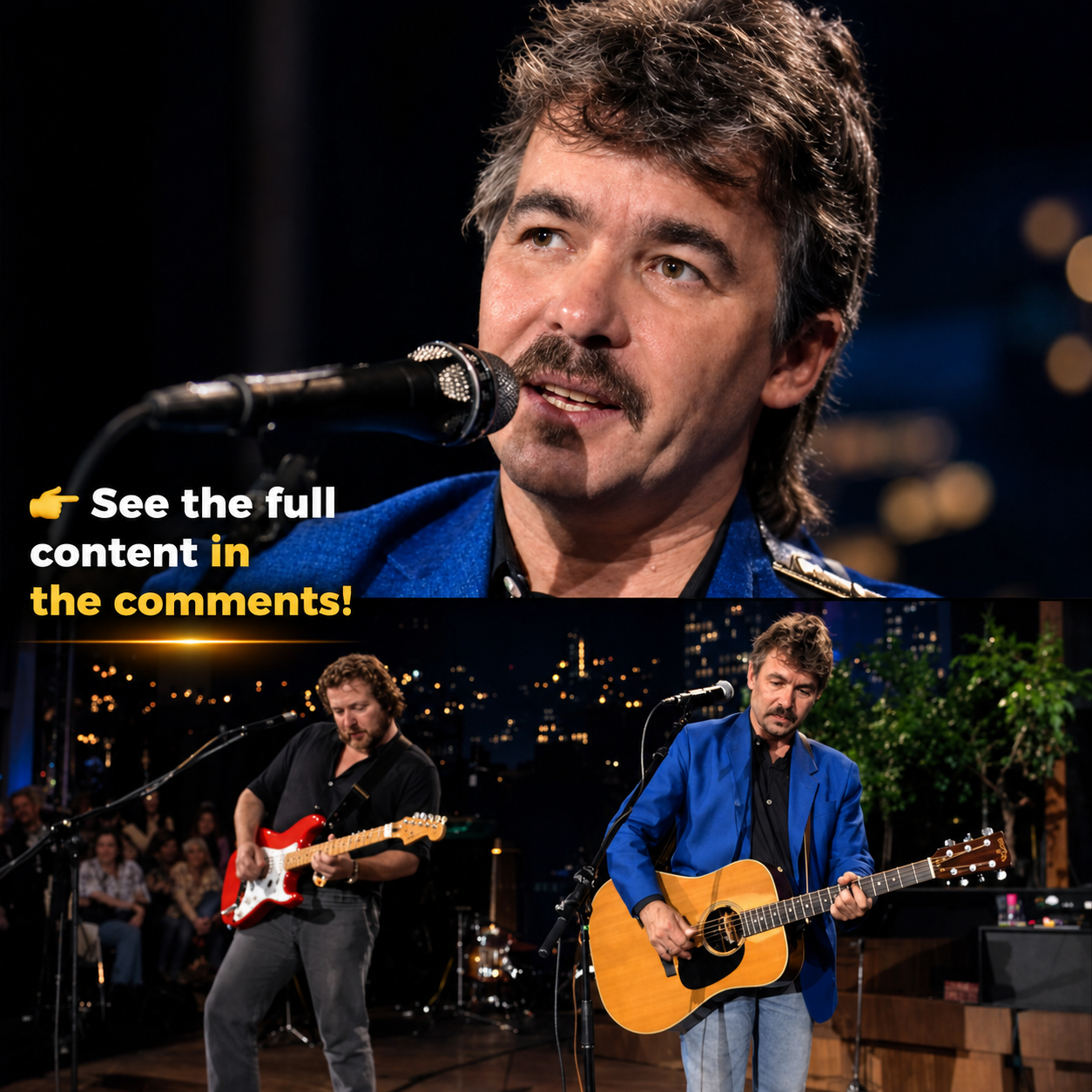
The John Prine Performance That Turned Silence Into Something Unforgettable
Some performances are designed to impress. Others exist simply to entertain for a few minutes before fading into memory. But every so often, an artist walks onto a stage and delivers something that feels far more personal than performance. That was the feeling many viewers experienced when John Prine performed “Sam Stone” during a 1988 appearance on Austin City Limits.
There were no dramatic lights, no oversized production moments, and no attempt to create spectacle. Prine stepped forward with a guitar, a quiet demeanor, and a song that carried more emotional weight than most artists could deliver with an entire orchestra behind them.
Within moments, the atmosphere in the room changed completely.
A Song That Refused to Look Away
“Sam Stone” was never written to make listeners comfortable. The song tells the story of a soldier returning home from war carrying emotional scars that no one around him truly understands. Rather than offering heroic imagery or romanticized pain, Prine focused on the quiet collapse happening behind closed doors.
That honesty is what made the song so devastating.


Prine never overperformed the emotion. He did not raise his voice or force dramatic moments onto the audience. Instead, he allowed the lyrics to land naturally, trusting the listener to feel the full weight of the story without explanation.
Then came the line that continues to haunt audiences decades later:
“There’s a hole in Daddy’s arm where all the money goes.”
It remains one of the most unforgettable lyrics in modern songwriting because of its simplicity. There is no poetic disguise around it. No attempt to soften the reality. In a single sentence, Prine painted the image of addiction, poverty, heartbreak, and family tragedy all at once.
Why the Performance Still Feels So Powerful
What made that night on Austin City Limits extraordinary was not just the songwriting itself. It was the stillness surrounding it.
The audience seemed to recognize immediately that they were witnessing something painfully honest. The room grew quiet in the way only truly emotional performances can create. Nobody needed instructions to listen carefully. The silence became part of the performance itself.
That was always one of John Prine’s greatest strengths. He wrote about ordinary people with such compassion that their struggles suddenly felt universal. “Sam Stone” may focus on one family’s suffering, but it also reflects larger truths about war, addiction, loneliness, and emotional isolation.
Prine never approached those subjects with judgment. He observed them gently, almost conversationally, and that restraint made the emotions feel even more authentic.
A Song That Never Lost Its Relevance
Years have passed since that performance aired, yet “Sam Stone” continues to resonate with audiences because the emotions inside the song never disappeared. People still understand grief. Families still carry invisible pain. Veterans still return home fighting battles no one else can fully see.
That timelessness is why the performance continues to circulate decades later.


Many artists rely on volume, theatrics, or controversy to make a lasting impression. Prine relied on truth. He believed a quiet song could carry enormous emotional force if the words were honest enough.
On that night, sitting with nothing more than a guitar and a story, he proved exactly that.
The Kind of Performance That Stays With You
Some songs end when the applause begins. “Sam Stone” never really does. The performance lingers long after the final chord fades because it asks listeners to do more than simply admire great songwriting. It asks them to remember the people hidden inside the story.
That is why so many fans continue returning to this moment after all these years.
Not because it was flashy.
Not because it was polished.
But because John Prine sat quietly on a stage, told an uncomfortable truth with remarkable compassion, and created the kind of silence only great music can leave behind.