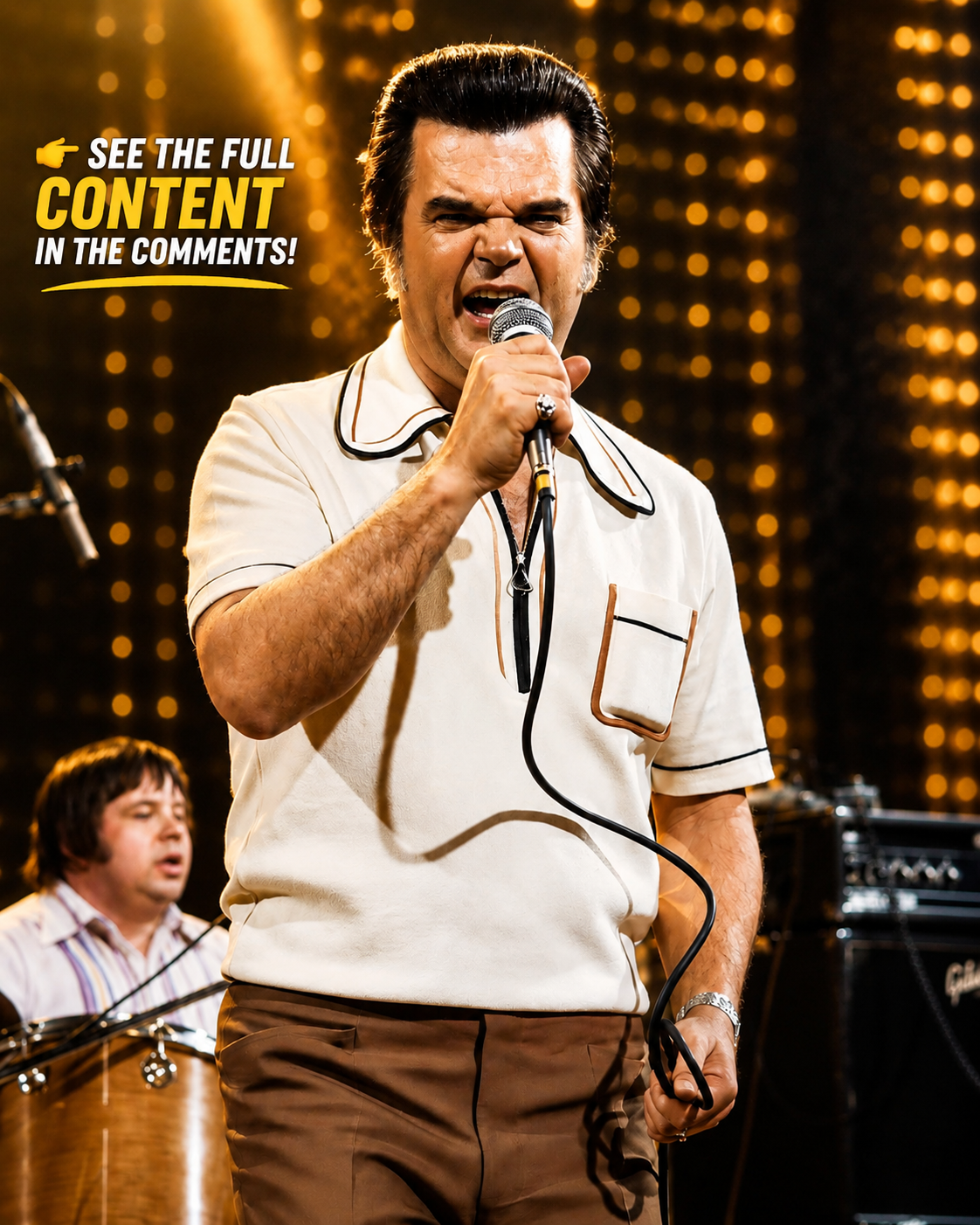
THEY SAID COUNTRY RADIO WOULDN’T TOUCH IT. FANS TURNED IT INTO A CLASSIC. In 1973, Conway Twitty stepped into the studio with a song he knew would spark controversy. Written by Conway himself, “You’ve Never Been This Far Before” pushed boundaries that many country stations weren’t ready for. It wasn’t loud or provocative. Instead, it was intimate. Conway’s smooth voice and deeply personal lyrics made listeners feel as if they were hearing a private moment rather than a recording. The reaction was immediate. Some radio stations refused to air it, calling it too suggestive. Rumors even circulated that certain DJs intentionally made sure the record would never be played on their stations. Conway stood by the song. “It’s an honest song,” he insisted. And fans agreed. Despite the resistance, the record climbed all the way to No. 1 on the country chart, holding the top spot for three weeks. It also reached No. 22 on the Billboard Hot 100, an impressive achievement for a country song at the time. What critics tried to suppress only made people more curious. The controversy helped turn the song into one of Conway’s most unforgettable hits. Many chart-toppers followed, but this record remains special. It proved that when listeners truly connect with a song, no amount of opposition can keep it from being heard. Did you understand what Conway was expressing the first time you heard it, or did the song surprise you? 🎵 Listen to the song in the first comment.

When Radio Turned Away, Fans Turned It Into a Country Music Classic

Introduction

In the early 1970s, country music was experiencing a period of change. Traditional sounds still dominated the airwaves, but artists were beginning to explore more personal and emotionally complex themes. Among them was Conway Twitty, a singer already known for his smooth voice and remarkable connection with audiences.

In 1973, Twitty released a song that many believed would never become a major hit. Instead of following the safe formula expected by radio programmers, he chose to record a deeply intimate ballad that sparked controversy across the country. What happened next proved that listeners often have the final say.

The Song That Challenged Country Radio

Conway Twitty’s self-written single, You’ve Never Been This Far Before, arrived at a time when many radio stations carefully monitored what they considered acceptable content. The song’s romantic themes and suggestive lyrics immediately raised concerns among broadcasters.

While country music had long explored love, heartbreak, and desire, some station managers felt this recording pushed beyond the boundaries they were comfortable airing. As a result, several stations limited its exposure, while others reportedly refused to play it altogether.

For many artists, that level of resistance could have ended a song’s chances before it ever gained momentum. Twitty, however, stood firmly behind his work.

Conway Twitty’s View of the Controversy

Rather than treating the song as something provocative, Twitty viewed it as a sincere expression of emotion. He maintained that the lyrics reflected real feelings and genuine human experiences rather than an attempt to generate shock value.

His confidence came from understanding what made country music powerful in the first place: honesty. The song wasn’t built around sensationalism. It was built around vulnerability, intimacy, and the uncertainty that often accompanies love.

That authenticity would ultimately resonate with audiences far more than critics expected.

Why Listeners Connected With the Record

One of the song’s greatest strengths was its subtlety. Instead of relying on dramatic vocal performances or elaborate production, Twitty delivered the lyrics with restraint and warmth.

His calm, conversational style made listeners feel as if they were hearing something personal rather than a polished commercial product. Every line carried emotional weight without becoming exaggerated.

The Power of Suggestion Over Explanation

Great country songs often leave room for interpretation, and You’ve Never Been This Far Before did exactly that. Rather than spelling out every emotion directly, it allowed listeners to fill in the gaps themselves.

This approach created a stronger emotional connection. Fans recognized the vulnerability behind the lyrics and responded to the sincerity they heard in Twitty’s voice.

Ironically, the criticism surrounding the song only increased public curiosity. As discussions grew, more people wanted to hear the record and decide for themselves whether the controversy was justified.

From Resistance to Chart Success

Instead of disappearing under pressure, the song gained tremendous support from country music fans. Requests poured into stations that were willing to play it, and sales continued to rise.

The public response transformed the record into one of the biggest successes of Twitty’s career. The song climbed to the top of the country charts, holding the No. 1 position for three weeks. It also reached a broad audience beyond country music, earning a notable place on the Billboard Hot 100.

Its success demonstrated an important lesson: listeners often connect with music based on emotion rather than industry expectations.

A Defining Moment in Conway Twitty’s Career

Although Conway Twitty would achieve numerous chart-topping hits throughout his legendary career, You’ve Never Been This Far Before remains one of his most memorable recordings.

The song represented more than commercial success. It became a symbol of artistic conviction and the powerful relationship between an artist and their audience. When some parts of the industry resisted it, fans stepped forward and ensured its place in country music history.

Why the Story Still Resonates Today

More than fifty years later, the song continues to be remembered not only for its chart performance but also for the debate that surrounded it. The controversy may have faded, but the emotional honesty at the center of the record remains timeless.

Listeners still hear the same vulnerability, tenderness, and authenticity that made the song stand out in 1973. Those qualities have allowed it to endure across generations of country music fans.

Conclusion

The journey of You’ve Never Been This Far Before is a reminder that great songs are not always embraced immediately. Sometimes the records that face the strongest resistance become the ones that leave the deepest mark.

Conway Twitty took a creative risk when he released the song, and radio’s hesitation nearly stood in its way. Yet the audience saw something worth preserving. By supporting the record, fans transformed a controversial release into a country music classic—proving that sincerity and emotional truth can often overcome even the loudest opposition.

You Missed

CHARLEY PRIDE ONLY RETURNED TO LITTLE ROCK FOR A SIMPLE CHECKUP. BUT BY THE END OF THAT VISIT, THE VOICE DOCTORS ONCE WORRIED HE MIGHT LOSE WAS ECHOING THROUGH THE ARKANSAS SENATE. Charley Pride had not come back to Arkansas searching for attention. He was there for a routine medical check on the same voice that had carried him across decades of country music history. Years before, doctors had discovered a tumor on his right vocal cord — frightening news for any singer, and almost unimaginable for a man whose voice had become part of country music’s soul. That checkup brought him back to Little Rock. Then an invitation brought him somewhere unexpected: the Arkansas Senate. Suddenly, Charley Pride was not standing beneath concert lights. There was no band behind him, no roaring arena, no Grand Ole Opry audience waiting for the next song. Just Charley Pride, a microphone, and a room filled with people ready to hear the voice that had survived so much. And then he sang. No law changed because of that moment. No debate was settled. No political victory was claimed. But in a room made for speeches, votes, and decisions, everyone paused for something deeper. They heard a voice that had survived illness, fear, and doubt — and they remembered why Charley Pride had always mattered. The checkup brought him back. The invitation placed him in the room. But the voice made the moment unforgettable. Listen to this song in the 𝗳𝗶𝗿𝘀𝘁 𝗰𝗼𝗺𝗺𝗲𝗻𝘁

GEORGE JONES’ FIRST RECORD DIDN’T ARRIVE LIKE THE BEGINNING OF A LEGEND — IT SOUNDED LIKE A SHY 22-YEAR-OLD TRYING TO FIND HIS VOICE INSIDE A SMALL TEXAS ROOM. The song was called “No Money in This Deal,” a title George Jones had written himself. At the time, it may have sounded almost playful. Years later, it felt strangely perfect. There was no fancy Nashville studio. No bright lights. No big-name producer waiting to crown him country music’s next great voice. It was recorded in Jack Starnes’ home studio, a rough little setup where the walls were covered with egg crates and the soundproofing was so poor that passing trucks could interrupt a take. George was only twenty-two, recently out of the Marines, and still chasing the sounds of the singers he admired most. He leaned toward Lefty Frizzell, Hank Williams, and the country heroes who had shaped him before he ever shaped anyone else. There was no money in that room. No fame. No promise that anyone would remember the record. Just a nervous young man, a fragile recording session, and a voice that had not yet become “the Possum.” That is what makes the story so powerful now. The first time George Jones stepped toward history, he was not fully himself yet. He was still borrowing pieces of other voices, still learning what his own pain could sound like. And one day, that uncertain young singer would become the voice that made millions of hearts ache. Listen to this song in the 𝗳𝗶𝗿𝘀𝘁 𝗰𝗼𝗺𝗺𝗲𝗻𝘁.

BEFORE CONWAY TWITTY BECAME THE VOICE THAT COULD BREAK HEARTS WITH “HELLO DARLIN’,” HE WAS JUST A MISSISSIPPI BOY LEARNING WHAT REAL LOVE LOOKED LIKE FROM HIS MOTHER. Long before the fame, the velvet voice, the country classics, and the unforgettable duets with Loretta Lynn, Conway Twitty was Harold Lloyd Jenkins from Friars Point, Mississippi — a child growing up in a poor Southern home where life was never easy. His father worked when he could as a riverboat pilot on the Mississippi, but that kind of work did not always bring steady security. When hard times pressed in, it was Conway’s mother who helped carry the family forward. She was not standing under stage lights. She was not hearing applause. She was simply doing what mothers often do — worrying quietly, working hard, and keeping everyone afloat when the world gave them very little to hold onto. That part of Conway Twitty’s story makes his music feel even deeper. Maybe that is why his love songs never sounded shallow. Behind the smooth voice and romantic lyrics was a boy who had seen love before he ever sang about it. He had seen love in sacrifice, in patience, in strength, and in a mother who refused to let her family sink. Before the world heard “Hello Darlin’,” Conway Twitty may have learned his first love song at home — not from a guitar, but from the woman who showed him what devotion truly meant. Happy Mother’s Day to Conway Twitty’s mother, and to every mother whose quiet strength becomes the first music their child ever remembers. Listen to this song in the 𝗳𝗶𝗿𝘀𝘁 𝗰𝗼𝗺𝗺𝗲𝗻𝘁.