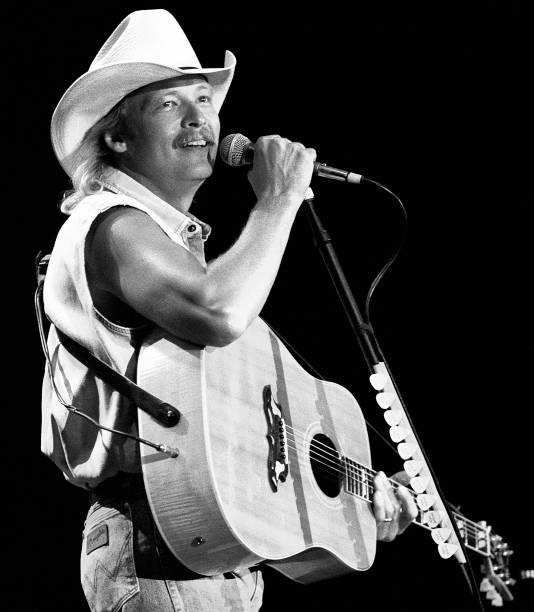
Why Some Songs Feel Fake—and Alan Jackson’s Don’t
Introduction
In a music industry often dominated by trends and commercial formulas, listeners can quickly tell when a song feels artificial. Overproduced beats, generic lyrics, and formulaic arrangements can make even a catchy tune feel hollow. Yet, for decades, Alan Jackson has managed to create music that feels deeply authentic. His songs resonate with listeners not because they chase trends, but because they reflect genuine life experiences, honest storytelling, and a respect for country traditions. This article explores why some songs feel fake—and why Alan Jackson’s work continues to feel real.
Who Is Alan Jackson?
Alan Jackson, born in 1958 in Newnan, Georgia, is a legendary figure in country music. Emerging in the late 1980s, he quickly became known for blending traditional honky-tonk and bluegrass influences with modern country sounds. Over his career, Jackson has released more than 20 studio albums and achieved over 40 number-one hits on Billboard’s country charts. His accolades include multiple CMA and ACM Awards, induction into the Country Music Hall of Fame in 2017, and recognition from the Recording Industry Association of America (RIAA) for selling millions of albums worldwide.
His music often celebrates everyday life, from small-town love stories to reflections on family and faith. Jackson’s dedication to traditional country music sets him apart from many contemporaries who prioritize commercial success over authenticity.
The Anatomy of a “Fake” Song
Before understanding what makes Jackson’s songs authentic, it’s important to identify what makes others feel fake. There are several common traits:
Overproduction and Formulaic Sound
Many modern tracks rely heavily on digital production, auto-tune, and repetitive chord structures. While technically polished, these elements can strip a song of its emotional depth. Listeners sense the lack of genuine expression, making the song feel manufactured rather than heartfelt.
Generic Lyrics and Lack of Storytelling
A song without a story or personal experience often falls flat. Lyrics that recycle clichés or focus on surface-level themes rarely resonate. Music feels fake when listeners cannot connect with the singer’s perspective.
Trend-Chasing vs. Personal Expression
Artists chasing trends may sacrifice originality. Songs written primarily to fit radio formats or streaming algorithms often lack the nuance and sincerity found in Jackson’s catalog. This creates a disconnect between the music and the audience’s emotions.
Why Alan Jackson’s Songs Feel Real
Authentic Storytelling
Alan Jackson’s lyrics often stem from personal or observed experiences. Hits like “Chattahoochee” and “Remember When” are grounded in real-life moments—growing up in small towns, falling in love, and reflecting on life’s milestones. The honesty in his storytelling makes listeners feel understood, creating a lasting connection.
Consistency in Style
Jackson’s music retains a consistent blend of traditional country instrumentation—steel guitars, fiddles, and acoustic rhythms—without relying on gimmicks. This commitment to a recognizable sound reinforces his authenticity. According to Rolling Stone, his refusal to follow fleeting trends has helped him maintain credibility across generations.
Vocal Delivery
Jackson’s warm, straightforward singing style avoids unnecessary embellishments. He prioritizes clarity and emotional nuance over vocal acrobatics, making every song feel grounded. Fans often cite his ability to convey sincerity simply by “how he sings it,” a subtlety lost in overly processed tracks.
Collaboration and Songwriting
Many of Jackson’s most celebrated songs were co-written with trusted collaborators or drawn from his own life. This collaborative authenticity ensures the narrative feels genuine rather than imposed by marketing teams. His approach aligns with principles highlighted by the Country Music Hall of Fame: songs resonate when they reflect lived experiences rather than constructed personas.
Legacy and Influence
Alan Jackson’s dedication to authenticity has influenced countless country artists. By proving that traditional storytelling and sincere performance can achieve commercial success, he has inspired a generation of musicians to value substance over style. His impact is evident in both his chart performance and critical recognition, making him a model for balancing artistry with audience appeal.
His songs continue to find relevance because they are timeless. While trends in country music evolve, Jackson’s themes of love, family, work, and reflection remain universally relatable. This timelessness differentiates him from artists whose music quickly dates.
Conclusion
In an era where music can easily feel manufactured, Alan Jackson stands out as a paragon of authenticity. His combination of heartfelt storytelling, consistent musical style, unpretentious vocal delivery, and commitment to real-life experiences ensures that his songs feel genuine, not fake. For fans seeking music that resonates on a personal level, Jackson’s work offers a touchstone of honesty in a landscape often dominated by trend-chasing and formulaic production.
Ultimately, authenticity is not just about sound; it is about connection. Alan Jackson’s songs succeed because they reflect life as it is, not as it is marketed. This dedication to real stories and real emotions is why his music continues to feel authentic—and why some songs, by contrast, simply cannot.
SEO Enhancements
SEO Title: Why Alan Jackson’s Songs Feel Authentic When Others Don’t
Meta Description: Discover why Alan Jackson’s music feels real while many songs seem fake. Explore his storytelling, style, and legacy in authentic country music.
Slug URL: alan-jackson-authentic-music
Alternate Subheadings:
- What Makes Songs Feel Fake—and How Jackson Avoids It
- The Storytelling Secrets Behind Alan Jackson’s Authenticity
- How Alan Jackson Maintains Timeless Country Credibility
Sources:
- Billboard, Country Charts & Artist Profiles
- Rolling Stone, “Alan Jackson’s Legacy and Authentic Country Music”
- RIAA, Certified Album Sales and Milestones
- Country Music Hall of Fame, Artist Biography