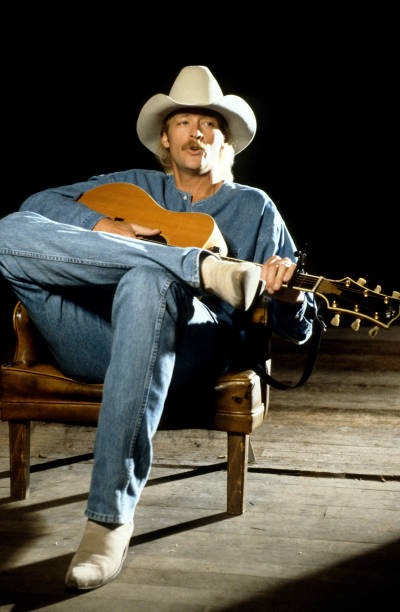
Would Alan Jackson Be Successful in Today’s Music Industry?
Introduction
Imagine a quiet voice on the radio—no heavy production, no flashy effects—just a steel guitar, a steady rhythm, and a story that feels almost too real. In an era dominated by streaming algorithms and viral trends, would an artist like Alan Jackson still find success today?
It’s a compelling question. Jackson built his career on authenticity, simplicity, and traditional country values. But today’s music industry moves faster, sounds different, and rewards a new kind of visibility. To understand whether he would thrive now, we need to look at both his legacy and the current landscape of modern country music.
A Brief Look at Alan Jackson’s Background
Early Life and Breakthrough
Born in Georgia in 1958, Alan Jackson rose from small-town roots to become one of the defining voices of country music in the late 20th century. His breakthrough came in the early 1990s with hits like “Here in the Real World” and “Chattahoochee.”
At a time when country music was blending into pop, Jackson stood firmly in the tradition of classic country—drawing inspiration from legends like George Jones and Merle Haggard.
Career Highlights and Achievements
Over the course of his career, Jackson has:
- Sold over 75 million records worldwide (RIAA-certified)
- Earned multiple Grammy Awards
- Received induction into the Country Music Hall of Fame (2017)
- Achieved more than 50 Top 10 hits on Billboard’s country charts
According to Billboard and Recording Industry Association of America, his commercial success is not just impressive—it’s historically significant.
What Defines Alan Jackson’s Style?
Traditional Sound in a Changing Era
Alan Jackson’s music is rooted in:
- Simple instrumentation (fiddle, steel guitar)
- Clear storytelling
- Relatable themes (love, heartbreak, everyday life)
While many artists adapted to evolving trends, Jackson often resisted them. His 1999 song “Pop a Top” and later releases maintained a distinctly traditional sound—even when the industry leaned toward pop-country fusion.
Authenticity as a Core Strength
One of Jackson’s defining traits is consistency. His songs rarely chase trends; instead, they reflect personal values and lived experiences. This authenticity helped him build long-term trust with listeners—something that still resonates today.
The Modern Music Industry: A Different Game
Streaming and Algorithms
Today’s music industry revolves heavily around platforms like Spotify, Apple Music, and TikTok. Success is often influenced by:
- Playlist placement
- Social media engagement
- Viral trends
Artists are expected to release music frequently and maintain a strong online presence. This environment rewards adaptability and visibility as much as musical quality.
Genre Blending and Commercial Appeal
Modern country music has evolved significantly. Artists like Morgan Wallen and Kelsea Ballerini incorporate pop, hip-hop, and electronic elements into their sound. This shift has broadened the audience—but also changed expectations.
Traditional country, while still appreciated, is no longer the dominant mainstream style.
Would Alan Jackson Fit Into Today’s Industry?
Where He Would Struggle
There are clear challenges Jackson might face today:
- Less emphasis on traditional sound: His classic style may not align with current chart trends.
- Limited social media presence: Modern artists often rely heavily on personal branding and constant engagement.
- Slower release strategy: Jackson’s measured approach contrasts with today’s fast-paced content cycle.
These factors suggest he might not dominate streaming charts in the same way newer artists do.
Where He Would Still Thrive
However, it would be a mistake to assume he wouldn’t succeed at all.
1. A Strong Niche Audience
There remains a loyal audience for traditional country music. Artists who stay true to the genre often build dedicated fanbases, even without mainstream dominance.
2. Longevity Over Virality
Jackson’s career proves that consistency can outlast trends. In today’s industry, where many hits are short-lived, his approach might actually stand out.
3. Credibility and Trust
In an era where authenticity is increasingly valued, Jackson’s honest songwriting could resonate strongly—especially among listeners seeking something more grounded.
Lessons from His Legacy
Alan Jackson’s success offers several insights that still apply today:
- Authenticity builds long-term value
Audiences may shift, but genuine storytelling remains timeless. - Trends are temporary, identity is lasting
Jackson didn’t chase trends—and that’s why his music still feels relevant decades later. - A career is more than charts
While streaming numbers dominate headlines today, legacy is built over years, not weeks.
Organizations like Country Music Hall of Fame and publications such as Rolling Stone continue to highlight Jackson’s enduring influence—proof that impact goes beyond commercial cycles.
Conclusion
So, would Alan Jackson be successful in today’s music industry?
The answer is nuanced. He might not top streaming charts or dominate TikTok trends, but success isn’t defined by those metrics alone. His authenticity, storytelling, and commitment to traditional country music would still find an audience—perhaps smaller, but deeply loyal.
In fact, in a world saturated with fast-moving trends, an artist like Alan Jackson might stand out precisely because he doesn’t try to fit in.
And sometimes, that’s exactly what makes a career last.
SEO Title
Would Alan Jackson Be Successful in Today’s Music Industry? A Realistic Analysis
Meta Description
Explore whether Alan Jackson’s traditional country style would succeed in today’s streaming-driven music industry, with insights into his legacy and modern trends.
Slug URL
alan-jackson-today-music-industry-success
Alternative Headlines
- Could Alan Jackson Make It in Today’s Country Music Scene?
- Alan Jackson vs Modern Country: Would He Still Win?
- Is There Still Room for Traditional Country Artists Like Alan Jackson?
Sources
- Billboard
- Rolling Stone
- Recording Industry Association of America (RIAA)
- Country Music Hall of Fame
- Alan Jackson Official Website