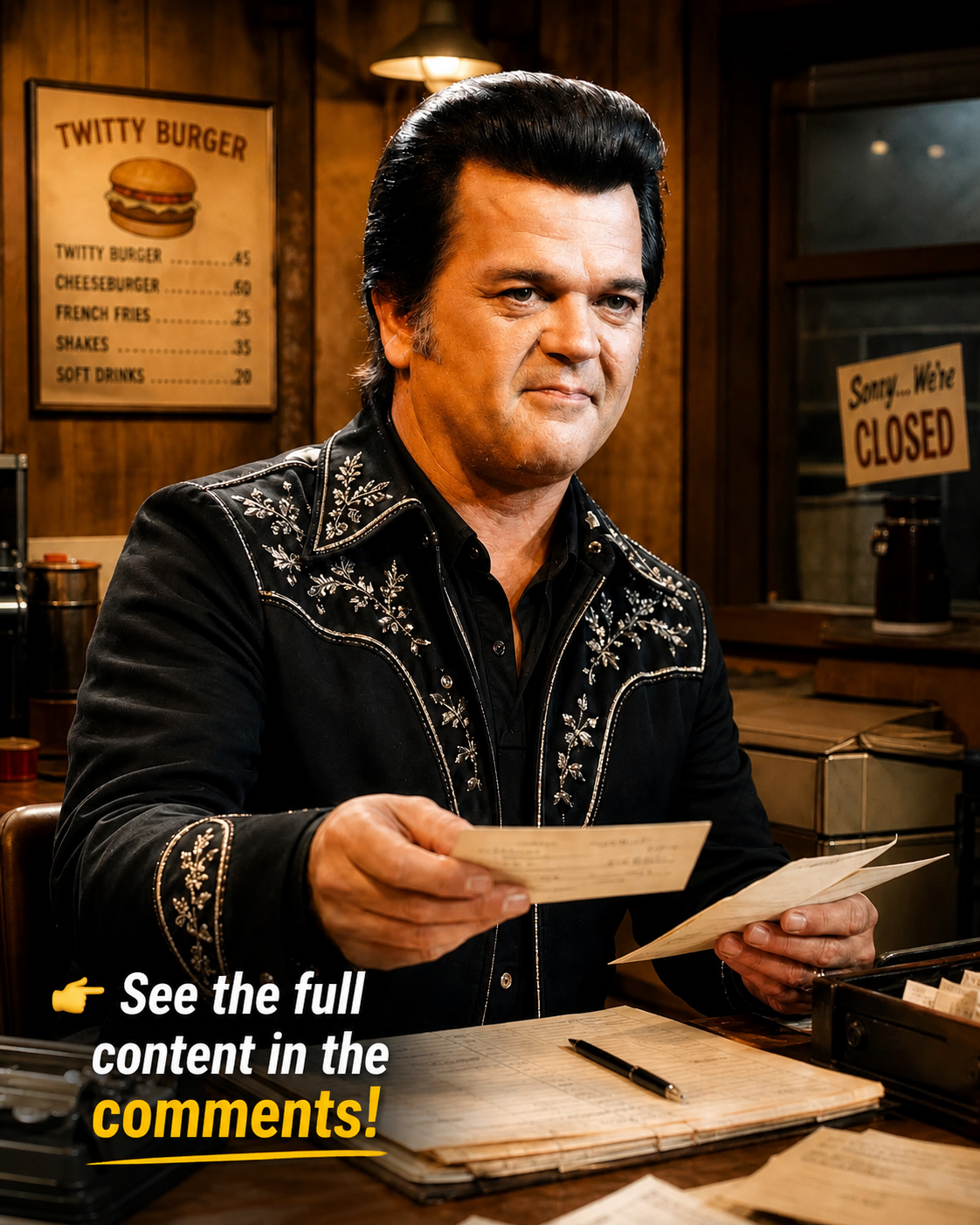
When Conway Twitty Lost a Restaurant Empire but Kept His Integrity
Introduction
Success in the entertainment world often inspires celebrities to explore opportunities beyond their primary careers. During the late 1960s, many musicians, actors, and public figures invested in businesses, hoping their popularity would help launch successful ventures. Country music star Conway Twitty was no exception.
Already becoming one of country music’s most recognizable voices, Twitty decided to expand beyond recording studios and concert stages. What followed was a business venture that ultimately failed—but also revealed a side of his character that earned lasting admiration from fans, friends, and even a U.S. Tax Court judge.
A Restaurant Dream Called Twitty Burger
In 1968, Conway Twitty entered the restaurant business by launching a chain known as Twitty Burger. The concept was designed to be more than just another fast-food restaurant. Twitty envisioned a family-friendly brand that combined fun, creativity, and his growing celebrity status.
The project attracted considerable support. Dozens of friends and associates invested in the company, including several respected figures within country music. Their confidence reflected the trust people had in Twitty, both as an entertainer and as a person.
A Burger Unlike Any Other
Twitty Burger sought to stand out with a unique menu and memorable personality. One of its most talked-about creations featured an unusual combination of ingredients, including pineapple, bacon, and a specially prepared burger patty.
The restaurant aimed to offer customers something different from the standard burger experience, creating a brand that was as distinctive as the singer whose name appeared above the door.
When the Business Fell Apart
Despite the excitement surrounding the launch, the restaurant business proved far more challenging than expected.
For a short time, Twitty Burger appeared promising. The company had investors, public attention, and the backing of a famous country star. However, operating restaurants successfully requires much more than popularity.
By 1971, most Twitty Burger locations had shut down. The venture suffered significant financial losses, estimated at approximately $96,000—a substantial amount of money at the time.
For Conway Twitty, the collapse was more than a business setback. It was a personal disappointment that affected people who had placed their trust in him.
Choosing Responsibility Over Obligation
Legally, Twitty was not required to compensate those who had invested in the failed company.
Business investments always involve risk, and investors generally accept the possibility of losing money. From a legal standpoint, Conway Twitty could have simply moved on and focused on his thriving music career.
Instead, he chose a different path.
Paying Back Every Investor
Twitty believed that trust carried responsibilities beyond what contracts demanded. Using income earned from his music career, he personally repaid the people who had invested in Twitty Burger.
No court ordered him to do so. No legal settlement forced his hand.
He simply felt it was the right thing to do.
By returning the money, Twitty protected relationships, honored friendships, and demonstrated that his personal values mattered more than financial convenience.
An Unexpected Battle with the IRS
Most stories about failed businesses end once debts are settled. Twitty’s story took a surprising turn when tax authorities became involved.
After repaying the investors, Conway Twitty claimed those payments as business-related deductions on his tax returns. The Internal Revenue Service disagreed, arguing that the repayments were personal rather than business expenses.
The dispute eventually reached the U.S. Tax Court under Twitty’s legal name, Harold Lloyd Jenkins.
A Rare Courtroom Story
The case became one of the most unusual tax disputes in American legal history.
The court ultimately ruled in Twitty’s favor, agreeing that the repayments were connected to preserving his professional reputation. As an entertainer whose livelihood depended on public trust and credibility, protecting his name was considered a legitimate business concern.
The decision became even more memorable because the judge concluded the opinion with a poem dedicated to Conway Twitty. In an equally unusual response, the IRS later answered with poetry of its own.
What could have been a dry tax case became a uniquely human story involving integrity, reputation, and personal responsibility.
More Than a Country Music Legend
Conway Twitty passed away in 1993, leaving behind a catalog of hit songs and a lasting influence on country music. Yet the Twitty Burger story remains one of the most revealing chapters of his life.
The restaurants disappeared. The business failed. The investment was lost.
But the values demonstrated during that failure continue to be remembered.
While many people are judged by how they handle success, Conway Twitty earned respect through the way he handled disappointment. He chose to protect the people who believed in him, even when he had no legal obligation to do so.
Conclusion
Twitty Burger never became the restaurant empire Conway Twitty had imagined. The locations closed, the venture collapsed, and the financial losses were significant.
Yet the story is not remembered as a business failure.
Instead, it survives as a testament to character. Conway Twitty transformed a failed investment into a powerful example of honesty, loyalty, and personal responsibility. By repaying every investor out of his own pocket, he proved that reputation is built not during moments of success, but during moments of adversity.
In the end, Twitty Burger may have failed, but Conway Twitty’s integrity never did.