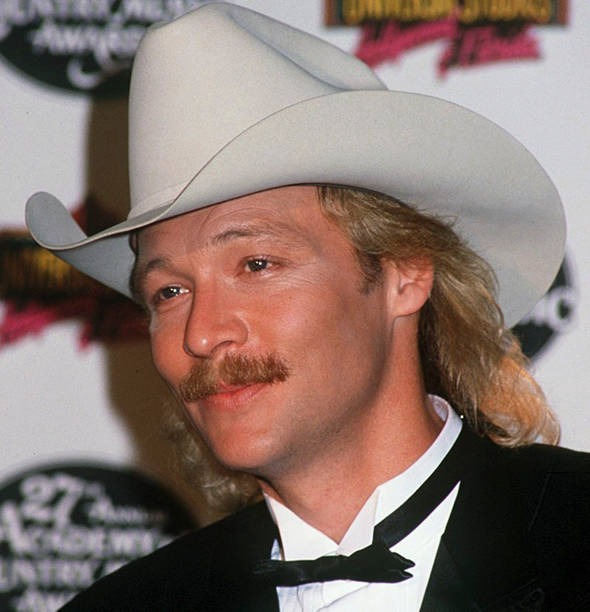
The Feeling You Only Get From Classic Country Music – And Why Alan Jackson Still Defines It
Introduction
There’s a certain feeling that only classic country music can create. It’s not just nostalgia, and it’s not simply about melody. It’s something quieter and more grounded—a sense of familiarity, honesty, and lived experience. Whether it’s a steel guitar intro or a simple lyric about everyday life, classic country tends to connect in ways that feel personal.
Among the artists who have preserved and carried this feeling forward, Alan Jackson stands out. His music doesn’t try to chase trends or reinvent the genre. Instead, it reflects what made country music resonate in the first place—and why it still matters.
What Makes Classic Country Music Feel Different?
Classic country music, especially from the late 20th century, is often defined by simplicity and clarity. The arrangements are usually straightforward, the lyrics are direct, and the themes are rooted in everyday life—family, love, loss, work, and faith.
A Focus on Storytelling
One of the defining features of classic country is storytelling. Songs are not just built around hooks but around narratives. Tracks like “Drive (For Daddy Gene)” or “Remember When” by Alan Jackson aren’t abstract—they unfold like memories.
This storytelling approach allows listeners to find their own experiences within the song. Rather than being told what to feel, they are invited to reflect.
Authentic Sound and Instrumentation
Traditional instruments such as acoustic guitar, fiddle, and steel guitar play a central role. The production is typically less layered than modern pop-influenced country, which helps preserve a more organic sound.
Alan Jackson’s catalog consistently reflects this approach. Albums like Don’t Rock the Jukebox and A Lot About Livin’ (And a Little ’bout Love) rely on traditional arrangements that prioritize clarity over complexity.
Alan Jackson: A Brief Background
Born in 1958 in Newnan, Georgia, Alan Jackson grew up listening to gospel music and classic country artists like George Jones and Hank Williams. These early influences shaped both his vocal style and songwriting approach.
He moved to Nashville in the 1980s and gained recognition after signing with Arista Nashville. His debut album, Here in the Real World (1990), quickly established him as part of the “neotraditional country” movement—a response to the more polished, pop-oriented direction country music had taken in the 1980s.
Career Highlights and Achievements
Alan Jackson’s career spans more than three decades, with consistent commercial success and critical recognition.
- Over 50 singles on the Billboard Hot Country Songs chart
- Multiple No. 1 hits, including “Chattahoochee,” “Gone Country,” and “It’s Five O’Clock Somewhere”
- More than 75 million records sold worldwide (RIAA estimates)
- Inducted into the Country Music Hall of Fame in 2017
He has also received numerous awards from organizations like the Academy of Country Music and the Country Music Association, further solidifying his reputation as one of the genre’s most influential figures.
The Emotional Core of His Music
Songs That Feel Lived-In
What sets Alan Jackson apart is how his songs feel grounded in real experience. Even when listeners haven’t lived through the exact situation described, the emotional tone feels recognizable.
“Remember When,” for example, traces the arc of a long-term relationship without exaggeration. It moves through time in a way that mirrors real life—gradual, reflective, and honest.
Restraint Instead of Excess
Unlike many modern productions that rely on dramatic builds or heavy instrumentation, Jackson’s music often uses restraint. This allows the lyrics and melody to carry the emotional weight.
That restraint is part of what creates the “feeling” associated with classic country—it leaves space for the listener.
Style and Musical Identity
Alan Jackson is often associated with the neotraditional country movement, which emphasizes a return to the genre’s roots. His style includes:
- Clear, conversational vocals
- Traditional instrumentation
- Lyrics focused on everyday experiences
- Minimal reliance on crossover pop elements
This consistency has helped his music remain recognizable across decades, even as industry trends have shifted.
Why This Feeling Still Resonates Today
A Contrast to Modern Production
Contemporary country music often blends elements from pop, rock, and hip-hop. While this evolution has expanded the genre’s audience, it has also changed its emotional tone.
Classic country, by contrast, tends to feel more intimate. The listener is not overwhelmed by production but drawn into the story.
Cultural and Emotional Continuity
Artists like Alan Jackson provide a sense of continuity. His music connects newer audiences to earlier eras of country while maintaining relevance in the present.
This continuity is one reason why his songs continue to be streamed and played decades after their release.
Influence and Legacy
Alan Jackson’s influence extends beyond his own recordings. He has helped shape how later artists approach songwriting and authenticity in country music.
His commitment to traditional sounds has also contributed to preserving the identity of the genre. Institutions like the Country Music Hall of Fame recognize not just commercial success, but cultural impact—and Jackson’s inclusion reflects both.
In addition, his work has been acknowledged by major publications such as Billboard and Rolling Stone, which have consistently highlighted his role in maintaining the integrity of country music traditions.
Conclusion
The feeling associated with classic country music is not easy to define, but it is easy to recognize. It comes from a combination of honest storytelling, simple arrangements, and emotional clarity.
Alan Jackson’s music captures that feeling in a way that few artists have managed over such a long period. By staying close to the roots of the genre, he has created songs that remain relevant—not because they follow trends, but because they reflect something more enduring.
For listeners searching for music that feels real rather than constructed, classic country—and Alan Jackson’s catalog in particular—continues to offer something distinct.
SEO Title
The Feeling You Only Get From Classic Country Music (Alan Jackson Explained)
Meta Description
Discover why classic country music feels so authentic and how Alan Jackson’s timeless style continues to define the genre.
Slug URL
classic-country-music-feeling-alan-jackson
Alternative Headlines
- Why Classic Country Music Still Feels Different Today
- How Alan Jackson Preserved the True Sound of Country Music
- The Timeless Appeal of Classic Country and Alan Jackson
Sources
- Billboard (chart performance and artist rankings)
- Rolling Stone (artist profiles and genre analysis)
- Recording Industry Association of America (RIAA) (sales certifications)
- Country Music Hall of Fame (artist induction records)
- Academy of Country Music Awards archives
- Country Music Association Awards archives